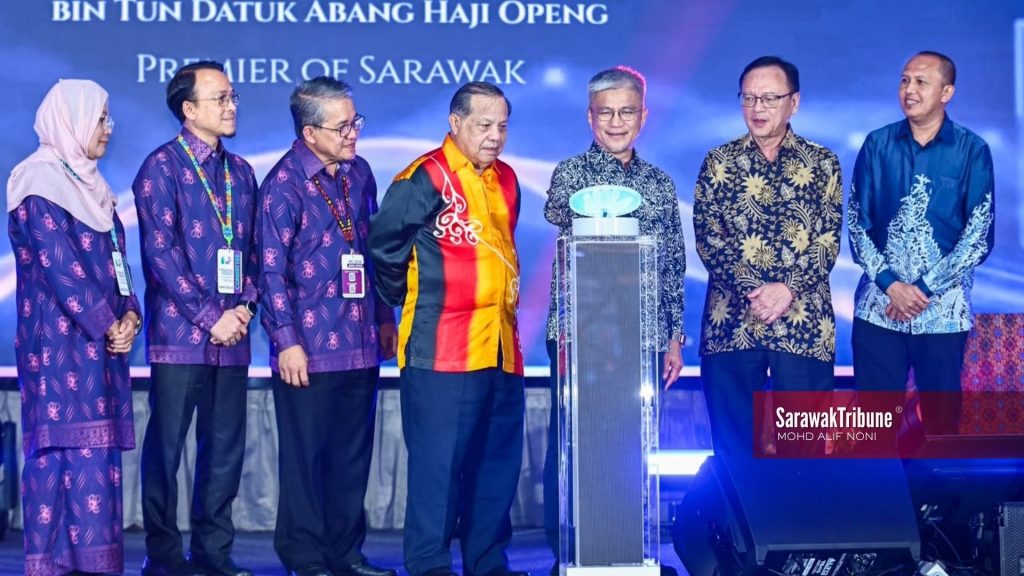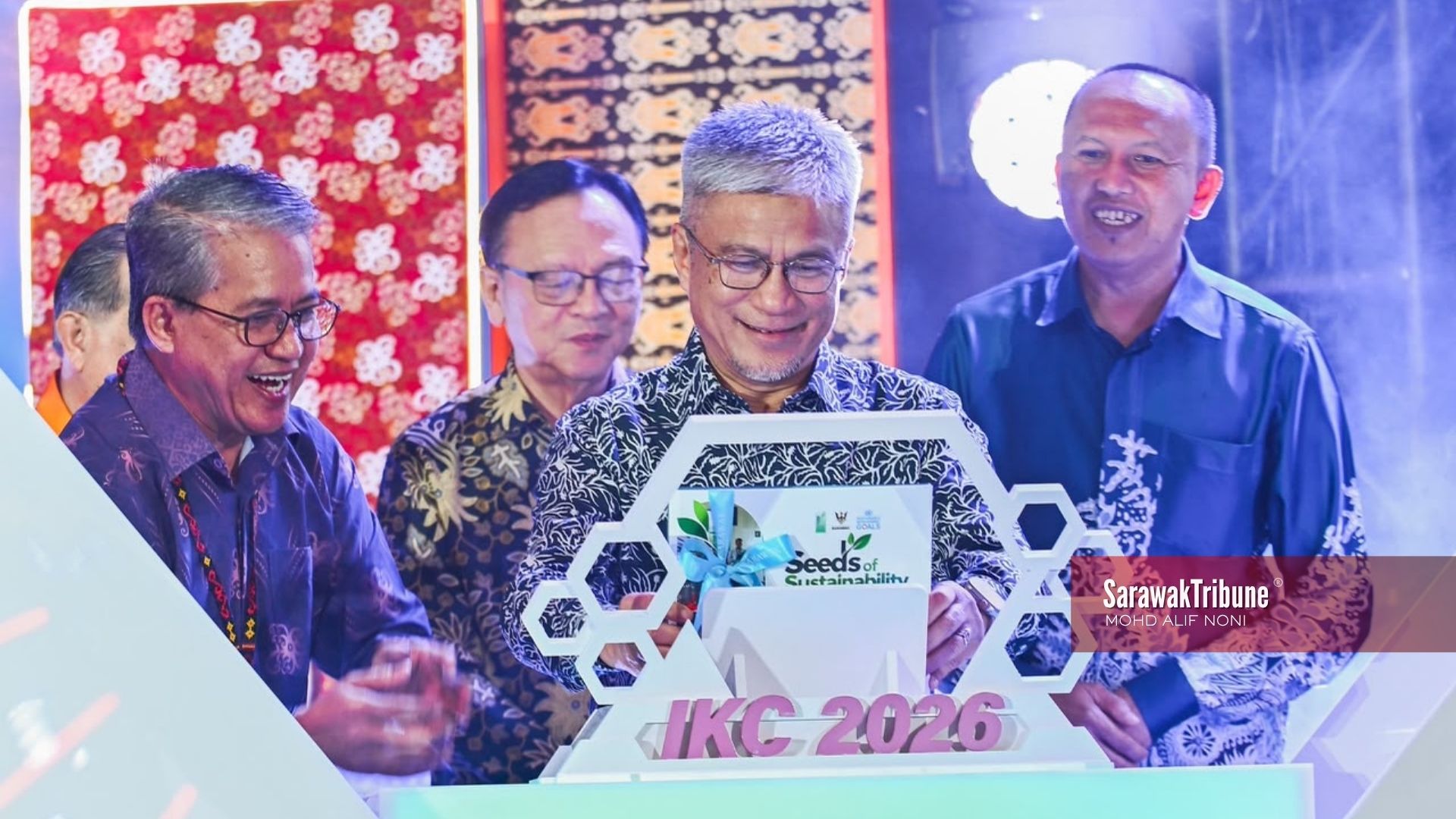
KUCHING: Sarawak’s galleries, libraries, archives and museums (GLAM) institutions must play a stronger role in safeguarding trusted information as artificial intelligence (AI) transforms how knowledge is created, preserved and shared.
Deputy Minister of Education, Innovation and Talent Development Datuk Dr Annuar Rapaee said GLAM institutions must move beyond their traditional roles in managing collections to become active participants in building a trustworthy, accessible and inclusive knowledge ecosystem.
He said this is increasingly important as society faces growing challenges involving misinformation, manipulated content, fragmented information sources and sophisticated AI-generated material.
“As information becomes increasingly accessible and sophisticated technologies blur the distinction between authentic and artificially generated content, the ability to establish trust must remain central to our collective progress,” he said when delivering the launching address on behalf of Premier Datuk Patinggi Tan Sri Abang Johari Tun Openg at the International Knowledge Conference 2026 (IKC 2026) here on Tuesday (Nov 24).
Dr Annuar said the responsibilities of GLAM institutions extended beyond safeguarding physical collections to providing context, establishing authenticity and facilitating the responsible interpretation of information.
He said knowledge remained one of society’s most valuable resources as it informed decision-making, strengthened institutions, supported innovation and enabled individuals to participate meaningfully in development.
On Sarawak’s development aspirations, Dr Annuar said the state’s ambition to become a high-income, developed and inclusive society by 2030 required more than investment in physical infrastructure and emerging technologies.
He said sustainable progress also depended on knowledge, human capital, institutional capacity and innovation.
“Artificial intelligence and digitalisation present opportunities for Sarawak to strengthen productivity, improve public service delivery, and develop new economic activities across various sectors,” he said.
He stressed that innovation must contribute to meaningful improvements in education, healthcare, economic participation, public administration and overall quality of life.
Dr Annuar also outlined five strategic priorities for GLAM institutions in responding to AI: strengthening authenticity, provenance and accountability; keeping people at the centre of AI; building AI and information literacy across society; ensuring inclusive digital transformation; and investing in the people leading the transformation.
He said addressing these challenges required collaboration among government agencies, GLAM institutions, universities, schools, technology companies, professional associations and communities.
He encouraged participants to use the conference to identify opportunities for collaborative research, pilot projects, capacity-building programmes and cross-border partnerships.