KUCHING: The Sarawak government has reaffirmed that regulatory compliance and transparency in the housing sector are essential safeguards to protect homebuyers and ensure long-term affordability.
The assurance comes amid concerns raised by the Sarawak Housing and Real Estate Developers’ Association (SHEDA) over rising compliance costs and bureaucratic processes.
The Ministry of Public Health, Housing and Local Government said it had taken note of SHEDA’s concerns and valued the views of industry players, stressing the importance of continued engagement and cooperation between the public and private sectors in building a sustainable and resilient housing industry in Sarawak.
“The regulatory requirements and compliance mechanisms in place are not intended to impose unnecessary burdens on developers, but to protect the interests of house purchasers, ensure construction quality and delivery, promote development sustainability and preserve public confidence in the housing industry,” the ministry said in a statement.
Sharing the common objective of keeping housing affordable and accessible to the rakyat, the ministry reiterated the state government’s commitment to enhancing homeownership through its target of delivering 20,000 affordable homes by 2030.
It emphasised that private developers, as key contributors to the national and state housing agenda, together with other implementing agencies, are required to comply with established regulatory frameworks to ensure accountability and quality assurance.
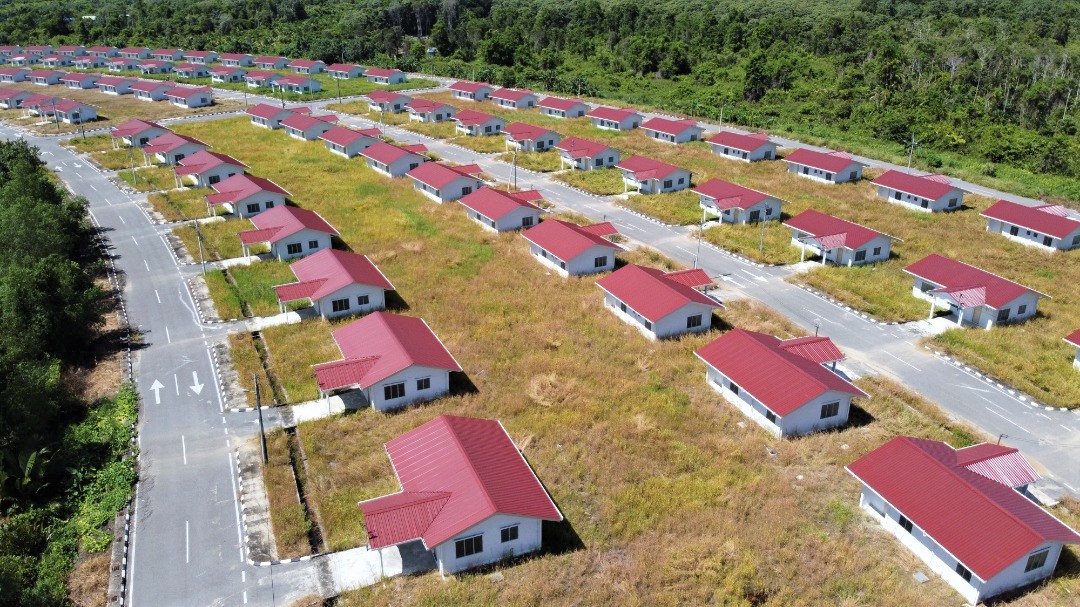
The ministry also addressed concerns over so-called “sick” private housing projects in Sarawak, noting that its task force had identified a number of such projects, as reported during the last State Legislative Assembly (DUN) sitting.
According to the ministry, more than 40 per cent of these projects have been partially or fully completed or resolved, while the remainder are at various stages of intervention.
The increase in the number of identified sick projects, it said, reflects intensified monitoring, verification exercises and improved inter-agency coordination, rather than a decline in the overall health of the housing sector.
The publication of the list of sick and abandoned private housing development projects on the ministry’s official website, the statement added, should be viewed in the context of transparency and public awareness.
“This initiative is not a punitive measure against developers, but is intended to provide accurate and reliable information to prospective house purchasers, enable informed decision-making and facilitate earlier intervention by the authorities before project conditions deteriorate further,” the ministry said.
Acknowledging the challenges currently faced by industry players including inflation, rising construction costs, supply chain disruptions and labour constraints, the ministry said these external factors underscore the need for prudent financial management, realistic project planning and responsible risk assessment by developers.
While the government remains open to improving administrative efficiency and strengthening coordination among technical agencies, the ministry stressed that any streamlining of procedures must not compromise due diligence, safety standards or the protection of house purchasers.
Moving forward, the ministry said the Sarawak government remains committed to constructive engagement with SHEDA and other stakeholders, and welcomes practical, solution-oriented discussions to refine policies and procedures while ensuring that the public interest remains paramount.
The ministry also emphasised that transparency, accountability and regulatory compliance should not be viewed as obstacles to development, but as the foundation of a credible and trustworthy housing sector capable of supporting long-term growth and meeting the needs and aspirations of Sarawakians.
Previously, SHEDA highlighted that rising compliance costs, prolonged approval processes and systemic inefficiencies are increasingly undermining housing affordability and homeownership prospects in Sarawak.
It said that owning a home, once attainable for single-income households living within a reasonable distance of economic centres has become progressively more difficult over the years.