KUCHING: The 13th Sarawak general election (SGE13) is shaping up as a defining test of Premier Datuk Patinggi Tan Sri Abang Johari Tun Openg’s leadership, with the ruling Gabungan Parti Sarawak (GPS) coalition widely expected to retain power but facing crucial battles in urban constituencies and several interior seats.
Unlike the fragmented, multi-cornered contests of the 2021 election, this year’s polls will take place against a significantly altered political landscape, shaped by the consolidation of local political forces, federal-level political cooperation and a strategic reshuffling of candidates.
Today will determine the composition of the 20th Sarawak Legislative Assembly (DUN), comprising 82 seats, with 42 required for a simple majority.
The Election Commission (EC) issued the election writ on Nov 6 following the dissolution of the 19th DUN on Oct 26.
The 14-day campaign period will run from today until 11.59 pm on Dec 11, with polling scheduled for Dec 12. Advance polling will take place on Dec 8.
Heading into the election, GPS commands an overwhelming 79 of the 82 seats, following its landslide victory in 2021 and subsequent political realignments.
The dissolution of Parti Sarawak Bersatu (PSB) in 2024, with several of its members joining Progressive Democratic Party (PDP), together with Batu Lintang incumbent See Chee How’s alignment with GPS, has further strengthened the ruling coalition.
The opposition landscape has also been reshaped by the federal unity government arrangement, with Barisan Nasional (BN), Parti Keadilan Rakyat (PKR), Amanah and PAS opting not to contest.
This leaves the Democratic Action Party (DAP) as the main challenger in urban constituencies, alongside Sarawak-based parties such as Parti Bansa Dayak Sarawak (PBDS), Parti Bumi Kenyalang (PBK), Parti Bangsa Malaysia (PBM) and independent candidates.
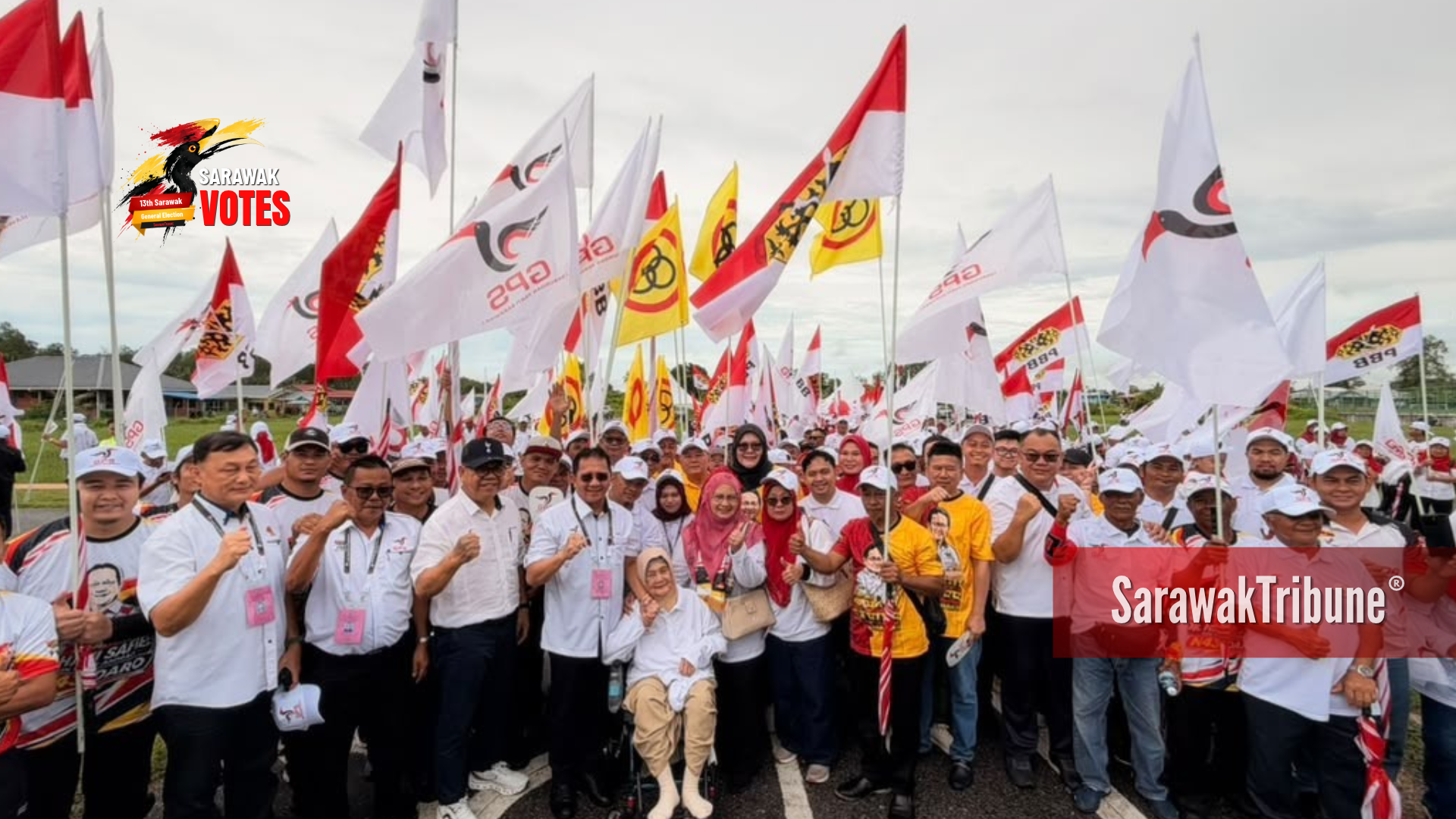
GPS, comprising Parti Pesaka Bumiputera Bersatu (PBB), Sarawak United Peoples’ Party (SUPP), Parti Rakyat Sarawak (PRS) and PDP, will contest all 82 constituencies.
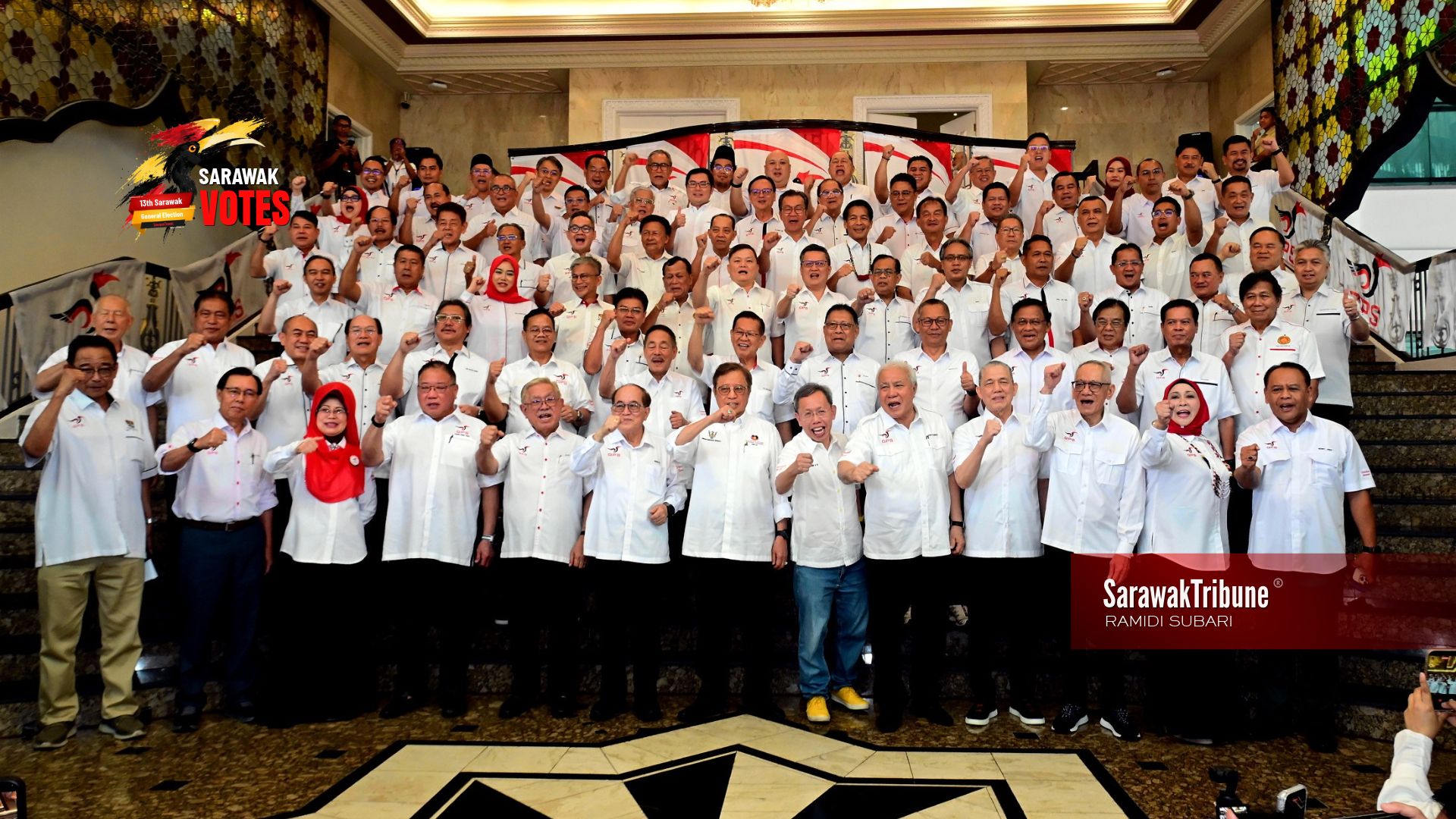
Abang Johari has unveiled a full slate of 82 candidates, retaining 71 incumbents while introducing 11 new faces, representing an approximately 14 per cent renewal of the line-up.
The coalition has retained its top leadership, including Abang Johari in Gedong, PBB deputy president Datuk Amar Douglas Uggah Embas in Bukit Saban and Datuk Amar Awang Tengah Ali Hasan in Bukit Sari, SUPP president Datuk Amar Dr Sim Kui Hian in Batu Kawa and PDP president Datuk Seri Tiong King Sing in Dudong.
Other prominent candidates include PBB’s Datuk Seri Abdul Karim Rahman Hamzah in Asajaya and Datuk Seri Fatimah Abdullah in Dalat.
Among the notable changes are the replacement of long-serving incumbents in several constituencies.
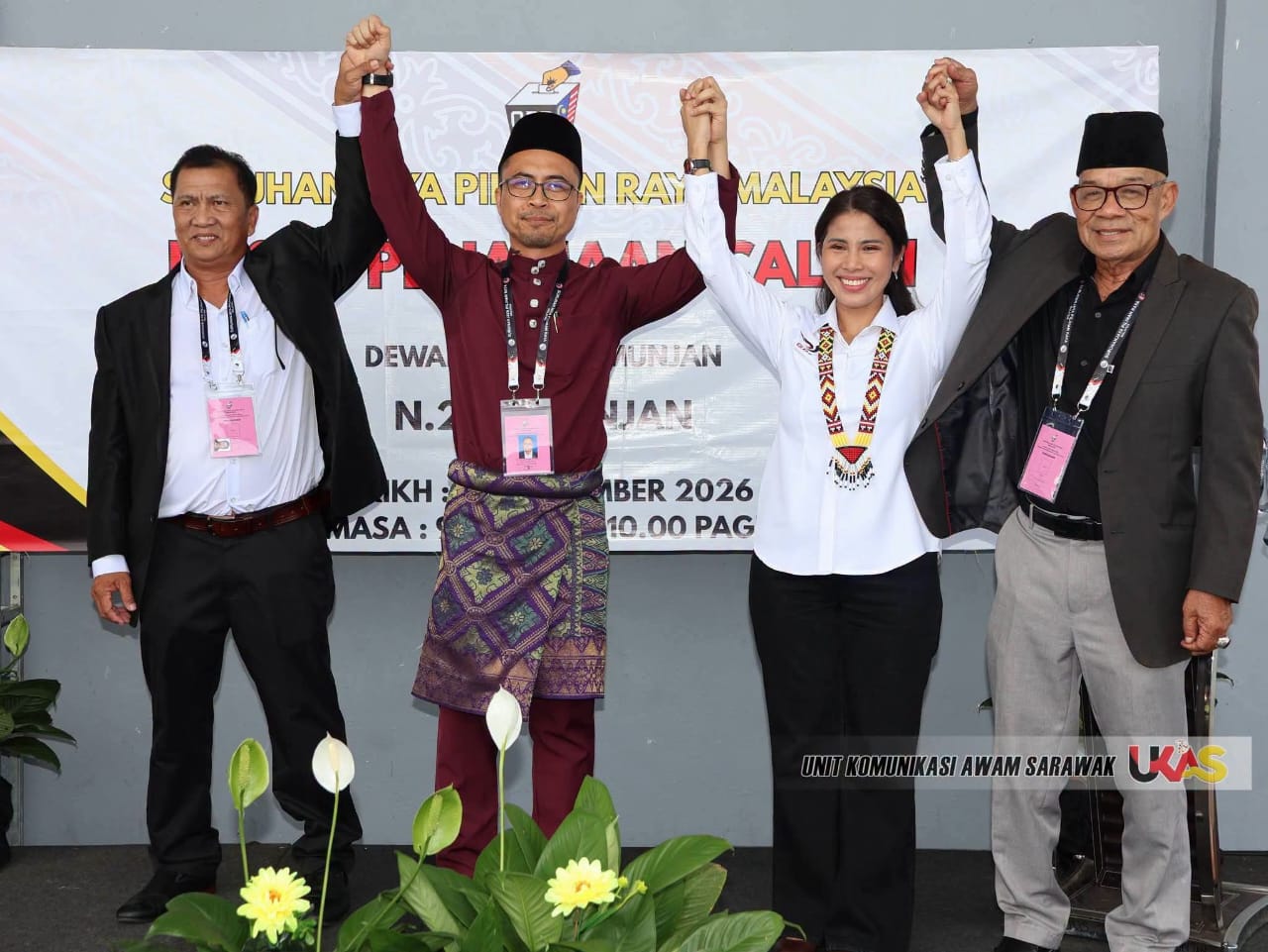
Dr Dayang Nurfizawati Abang Abdul Karim will contest Muara Tuang in place of Datuk Idris Buang, while Yussuf Chik replaces Awla Dris in Simunjan.
Other new candidates include Awg Nashfarini Awg Sarbini in Beting Maro, Leonard Libau Anol in Simanggang, Nor-E-Fadzwie Salleh in Kabong, Nurfatin Syafawani Tahamat in Bekenu and Datuk Jack Liam in Batu Danau.
Former PSB figures Dr Johnical Rayong Ngipa and Baru Bian will also contest under the GPS banner in Engkilili and Ba’kelalan respectively.
DAP has significantly reduced its electoral ambitions, contesting 14 seats compared with the 26 it contested in 2021.
Its strategy centres on defending its urban strongholds and attempting to regain constituencies lost in the previous election.
Among its key candidates are Sarawak DAP chairman Chong Chieng Jen in Kota Sentosa, Bandar Kuching MP Dr Kelvin Yii in Batu Lintang, incumbent Violet Yong in Pending and Michael Kong in Padungan.
Other candidates include Lim Nee Kon in Opar, Jordan Soo in Batu Kitang, Sim Kiat Leng in Batu Kawa, Roderick Wong in Meradong, Stanley Chiew in Bukit Assek, Irene Wong in Pelawan, Chiew Chan Yew in Tanjong Batu and Voon Kai Foo in Pujut.
PBDS, led by president Dr John Brian Anthony, is mounting a wider challenge with 26 candidates, concentrating mainly on Dayak-majority rural and semi-urban constituencies.
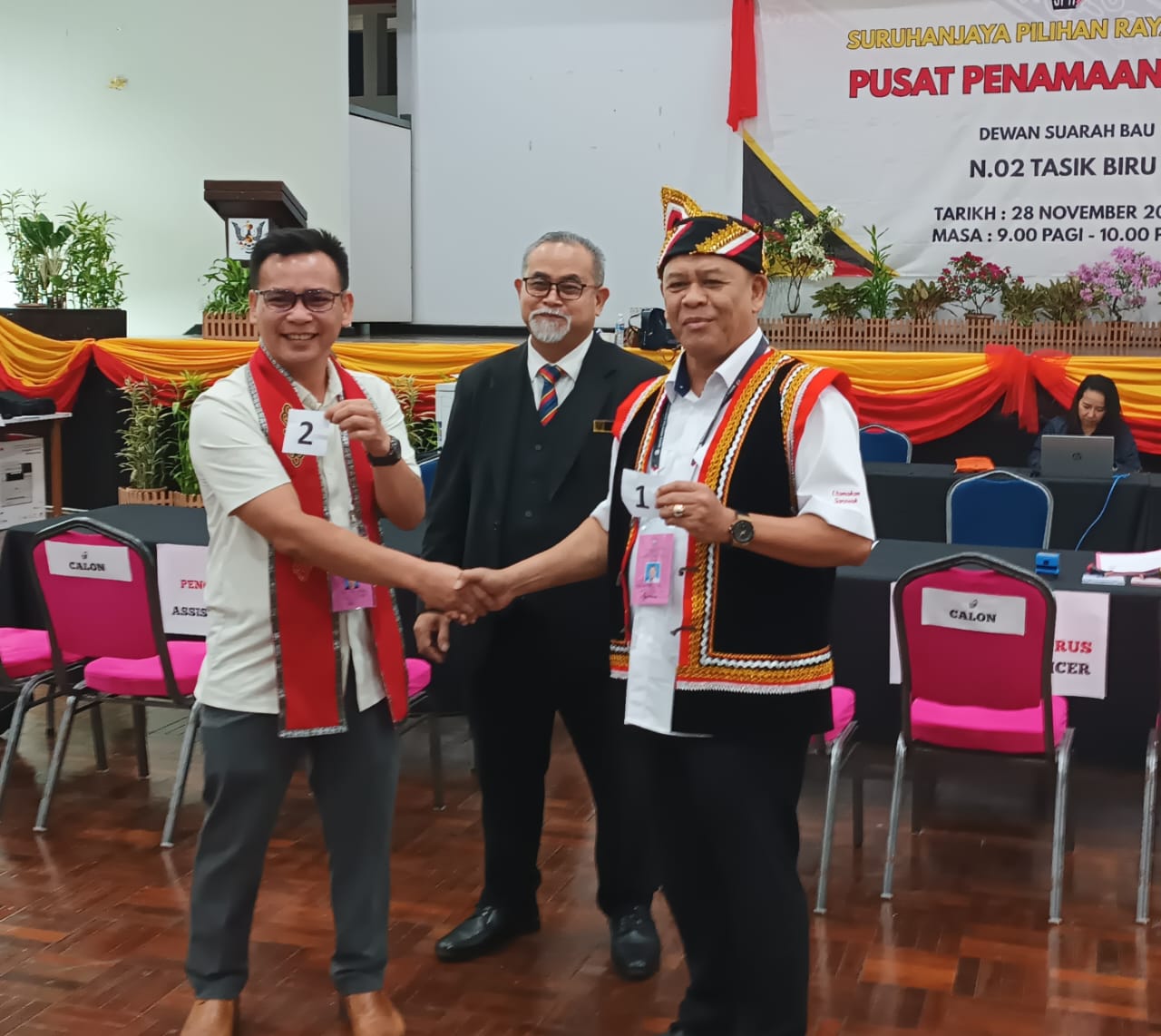
John Brian himself will contest Kakus, while the party has fielded candidates in constituencies including Opar, Tasik Biru, Mambong, Tarat, Tebedu, Kedup, Balai Ringin, Krian, Ngemah, Dudong, Baleh, Mulu and Ba’kelalan.
PBK, which fielded 73 candidates in 2021 without winning a seat, has scaled down its contest to 12 constituencies.
Its president, Voon Lee Shan, will contest Batu Lintang, while other candidates include Tiong Ing Neng in Padungan, Chiang Chen Kiat in Pending, Priscilla Lau in Pelawan and Stella Yii in Bukit Assek.
Meanwhile, PBM president Datuk Larry Sng is returning to contest Pelagus, while the party’s Puncak Borneo chairman, Diog Dios, will contest Mambong.
Ngemah will also see an independent challenge from incumbent Anyi Jana, who left PRS after being dropped by GPS in favour of Alexander Donald.
Although GPS enters the election with a commanding statewide advantage, several constituencies are expected to attract considerable attention because of narrow previous margins, high-profile candidates and local political rivalries.
In Batu Lintang, the contest is particularly intriguing following See Chee How’s switch from the opposition to GPS.
See narrowly won the seat in 2021 by just 93 votes, defeating GPS-SUPP candidate Sih Hua Tong by 4,420 to 4,327 votes.
This time, he faces a formidable challenge from DAP’s Dr Kelvin Yii, alongside PBK president Voon Lee Shan and independent candidate Peter John Jaban.
In Kota Sentosa and Padungan, Chong’s decision to return to his former stronghold has created an interesting electoral equation.
Chong, who won Padungan in 2021 by 1,198 votes, will challenge incumbent Wilfred Yap Yau Sin in Kota Sentosa.
Yap captured the constituency in 2021 with a 1,683-vote majority over DAP’s Michael Kong, while Kong has now moved to defend Padungan against GPS newcomer Wung Duk Ing.
Pending presents another high-profile contest, with GPS fielding Kuching South City Council (MBKS) Mayor Datuk Wee Hong Seng against DAP incumbent Violet Yong.
Yong retained the seat in 2021 with a 540-vote majority in a five-cornered contest.
Wee’s municipal leadership profile and community engagement will be tested against Yong’s established electoral experience and record as an opposition representative.
In Bawang Assan, the departure of veteran politician Datuk Seri Wong Soon Koh marks the end of a political era spanning 35 years.
Wong, who held the seat since 1991 under different political parties, won in 2021 with a 913-vote majority.
Following his retirement from electoral politics at the age of 84, GPS has nominated SUPP’s Kevin Lau Kor Jie as his successor.
Although Wong has pledged his support for Lau and GPS, the key question is whether his personal following can be successfully transferred to the new candidate.
Further inland, Pelagus and Ngemah will test the strength of party loyalty against personal political support.
In Pelagus, GPS has dropped incumbent Wilson Nyabong Ijang in favour of newcomer Cerisologo Sabut, opening the way for former assemblyman and PBM president Larry Sng to make a comeback.
In Ngemah, dropped incumbent Anyi Jana will defend his seat as an independent against GPS candidate Alexander Donald and PBDS contender Tedwin Beti.
Both contests could expose the challenges GPS faces when replacing sitting representatives with new candidates in constituencies where personal loyalty and grassroots connections remain important.
Ultimately, SGE13 is unlikely to be a straightforward contest for control of the Sarawak government, given GPS’ overwhelming numerical advantage.
Instead, the election will be closely watched as a measure of public confidence in Abang Johari’s administration, DAP’s ability to preserve its urban influence, the opposition’s capacity to remain politically relevant and GPS’ efforts to balance continuity with generational renewal.
While the ruling coalition is strongly positioned to retain power, the results in these closely watched constituencies could offer a more revealing picture of Sarawak’s changing political landscape and the strength of its political alliances.