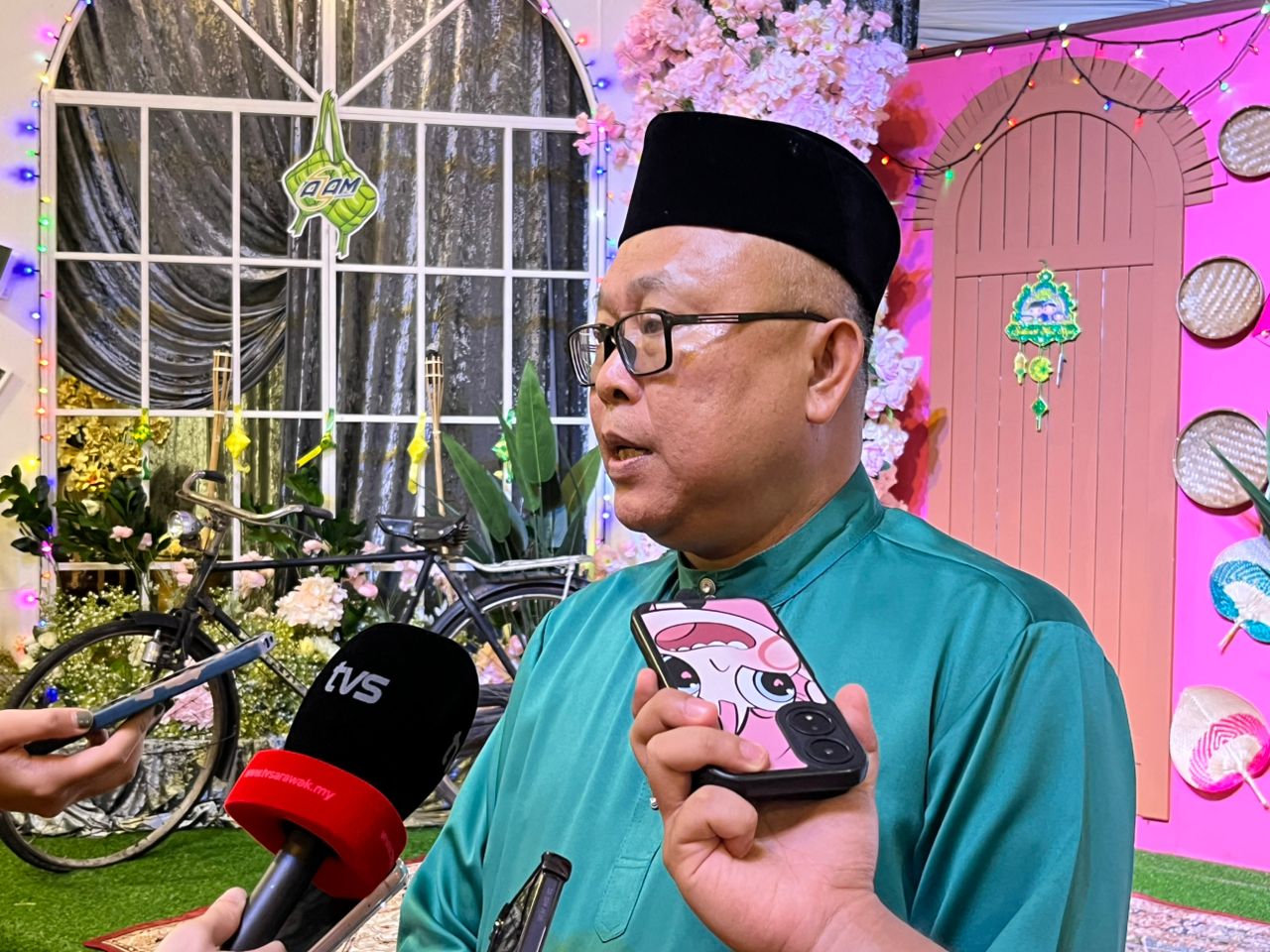
KUCHING: Stability, development and unity remain Gabungan Parti Sarawak’s (GPS) strongest political currency but delivery, not rhetoric, will define voter confidence ahead of the state election.
Political analyst Dr Hafizan Mohamad Naim observes that the ruling GPS coalition’s long-standing narrative continues to resonate across Sarawak’s diverse electorate, having underpinned years of relative political calm and steady growth.
She notes that stability has ensured continuity in governance, allowing policies to be implemented without disruption while visible infrastructure development has reached many parts of the state.
“I think, the ruling GPS coalition’s long-standing message of stability, development and unity will remain its most enduring political asset. These are not new themes and to be fair, they have served the state well over the years.
“Political stability has enabled continuity in governance while development (particularly in infrastructure) has been visible across many parts of Sarawak and unity remains an important pillar in a diverse society such as ours.
“Sure, these three themes resonate closely with voters,” she said when asked on whether GPS’ long-standing message of stability, development and unity still resonates strongly with the voters in Sarawak in the coming election.
Hafizan, who is a senior lecturer at the Faculty of Social Sciences and Humanities, Universiti Malaysia Sarawak, however cautions that the narratives alone are not enough because voters now need assurance that those narratives continue to be delivered.
Development, she argues, can no longer be framed in general terms but must be evaluated based on whether it is genuinely felt by the people and whether it addresses everyday challenges.
“Now, the questions may revolve on the matters of whether that development is felt, whether it is inclusive, and whether it addresses everyday concerns in a meaningful way.”
Related to this, Hafizan highlights that political support is evolving into a more personalised calculation, where voters assess how policies affect their individual circumstances rather than relying solely on historical allegiance to parties or coalitions.
She believes voter expectations nowadays are anchored in tangible concerns such as cost of living, employment opportunities, access to quality education, digital connectivity and overall quality of life.
The shift reflects a more discerning electorate, where questions of inclusivity and real impact are becoming central.
In this context, GPS faces the task of recalibrating its approach, ensuring that its core messages are matched by visible, meaningful outcomes on the ground.
“If the GPS coalition is sensitive to these issues and able to respond in a way that is both visible and meaningful, it will not only sustain its support but also strengthen its legitimacy among a more discerning electorate.”