BY SABRINA ELYAS
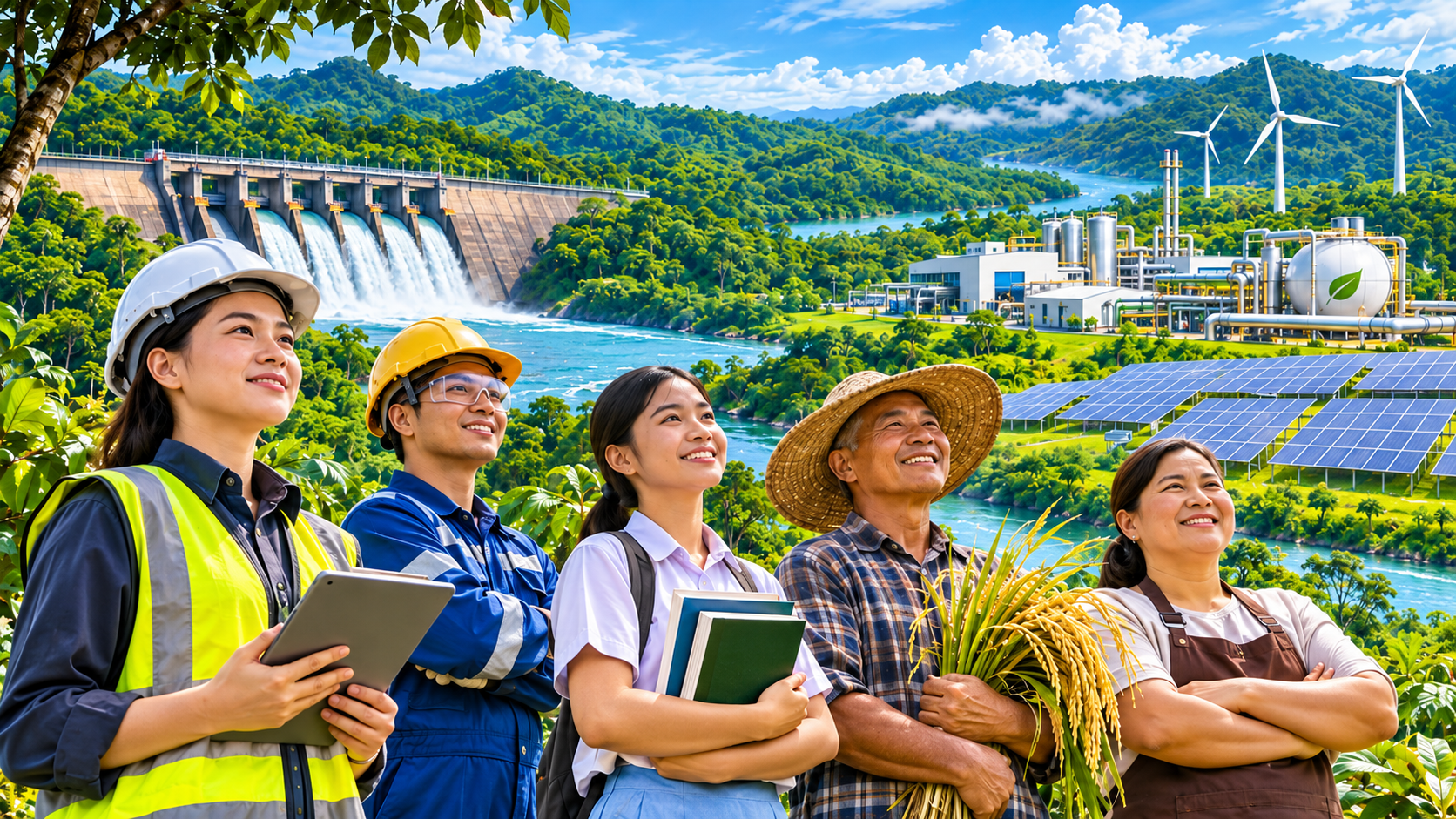
FROM the mighty rivers that power its hydroelectric dams to emerging hydrogen technologies, Sarawak is transforming its natural resources into new economic opportunities, laying the foundation for a greener, more diversified and resilient economy.
For decades, Sarawak’s economy has been closely associated with oil, gas and other natural resources.
Today, renewable energy is opening another chapter, with the potential to attract high-value investments, create skilled employment and establish the state as a regional centre for green industries.
Central to this ambition is the Post-Covid Development Strategy 2030 (PCDS 2030), which charts Sarawak’s journey towards becoming a developed, high-income economy by the end of the decade.
Under Premier Datuk Patinggi Tan Sri Abang Johari Tun Openg, the Gabungan Parti Sarawak (GPS) government has identified renewable energy, advanced manufacturing and emerging technologies as strategic growth sectors capable of diversifying Sarawak’s economic base.
These priorities are reinforced under Sarawak Budget 2027, which identifies positioning the state as an ASEAN green energy hub and developing new revenue streams through the green economy among its five strategic goals.
Powering a new industrial landscape
Sarawak’s abundant hydropower resources have given it a competitive advantage in developing renewable energy industries.
Major hydroelectric facilities, including Bakun, Murum and Batang Ai, provide electricity that supports households, businesses and industrial operations across the state.
Through the Sarawak Corridor of Renewable Energy (SCORE), this energy advantage has helped attract energy-intensive industries, particularly to the Samalaju Industrial Park in Bintulu.
The availability of renewable electricity is increasingly significant as international companies seek to reduce their carbon footprints while maintaining competitive production costs.
Sarawak is also expanding its renewable energy portfolio through solar power, mini-hydroelectric projects and other technologies, with a target of maintaining at least 60 per cent renewable sources in its electricity generation capacity mix by 2030.
Beyond electricity generation, the state is pursuing hydrogen development as part of its ambition to participate in emerging international clean energy markets.
Projects such as H2biscus and H2ornbill have been developed as part of the proposed Sarawak Hydrogen Hub in Bintulu, although their commercial scope and implementation plans have undergone reassessment.
The initiatives nevertheless reflect Sarawak’s efforts to develop new industrial capabilities and explore opportunities in hydrogen production, transportation and related technologies.
Opportunities beyond the energy sector
While renewable energy projects are often measured through investment values and generation capacity, their wider significance lies in the economic opportunities they can create for Sarawakians.
New industries require engineers, technicians, researchers, environmental specialists and skilled workers to develop, operate and maintain increasingly sophisticated facilities.
For young Sarawakians, the expansion of these sectors could provide more opportunities to build careers within the state, particularly in engineering, automation, renewable energy technology and advanced manufacturing.
The benefits could also extend to local entrepreneurs and small businesses.
Construction contractors, logistics operators, equipment suppliers and maintenance providers could find new opportunities as industrial activities expand.
Such developments could encourage local businesses to strengthen their technical capabilities, pursue industry certifications and participate in supply chains previously dominated by larger companies.
In turn, a stronger network of local suppliers could help retain more economic benefits within Sarawak while supporting the growth of home-grown enterprises.
The expansion of green industries could also strengthen Sarawak’s economic resilience by creating additional sources of employment and revenue beyond traditional commodities.
Preparing Sarawakians for tomorrow
However, developing new industries requires more than infrastructure and investment. Equally important is ensuring that Sarawakians possess the knowledge and skills needed to participate.
Technical and vocational education and training (TVET), university programmes and industry partnerships will play an increasingly important role in preparing the workforce.
Sarawak’s Free Tertiary Education Scheme (FTES), introduced in 2026, complements this direction by widening access to selected higher education programmes and supporting the development of local talent.
The importance of workforce preparation was highlighted by Abang Johari in November when he stressed the need for expertise in hydrogen technology, artificial intelligence, robotics and other emerging industries.
By aligning education with industry requirements, Sarawak could ensure that its younger generation is better positioned to secure skilled employment as new investments materialise.
Ensuring development remains sustainable
Alongside economic opportunities, environmental protection remains an important consideration in Sarawak’s green transition.
Large-scale energy and industrial projects must be accompanied by responsible resource management, environmental assessments and appropriate safeguards to protect surrounding ecosystems and communities.
This is particularly relevant in rural areas, where rivers, forests and natural resources remain closely connected to local livelihoods.
Meaningful community engagement, environmental monitoring and responsible industrial practices will be necessary to balance economic expansion with conservation.
The transition must also ensure that rural communities and smaller businesses are not left behind as new industries develop.
Ultimately, Sarawak’s green energy ambitions extend beyond producing cleaner electricity or attracting multinational investors.
They represent an effort to build an economy where natural resources, technological innovation and human capital work together to generate lasting opportunities.
For ordinary Sarawakians, the measure of success will be whether these ambitions translate to better employment prospects, stronger local businesses, greater access to skills development and sustainable livelihoods.
As Sarawak advances towards 2030, the challenge will be turning its renewable energy advantages into prosperity that reaches communities across the state.