KUALA LUMPUR: The Consumer Credit Bill 2025 aimed at curbing excessive fees and enforcing ethical debt collection is expected to take effect in the first quarter of 2026, the Consumer Credit Oversight Board (CCOB) said.
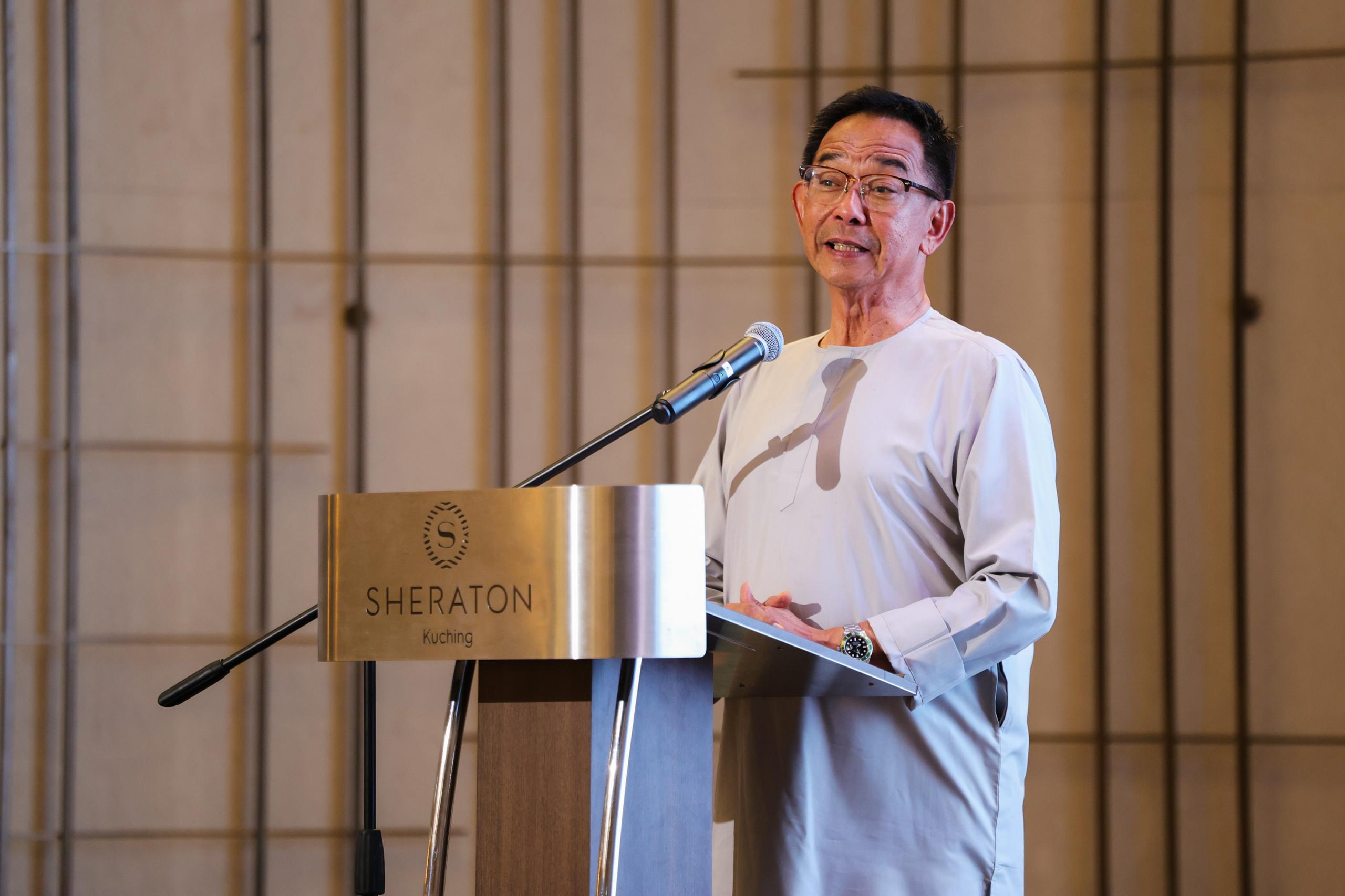
CCOB Task Force chief Abu Hassan Alshari Yahaya said the board is awaiting the bill’s gazettement and the subsequent establishment of the Consumer Credit Commission. He said the new act will allow the government to license non-bank credit providers, including Buy Now Pay Later (BNPL) operators that currently run without oversight.
“The main objective of this act is to regulate the consumer credit sector and enhance consumer protection, especially for those dealing with currently unregulated lenders. We want to ensure they operate fairly, responsibly and transparently,” he told Bernama.
The Ministry of Finance said the bill, passed in the Senate on Sept 4, is expected to be gazetted by year-end.
Abu Hassan said CCOB will issue “mandatory guidelines and standards” once the law takes effect, adding: “We will provide clarity on ‘fit and proper’ requirements and the operating standards that must be met when the licensing process begins.”
He said lending companies will undergo due diligence to assess their ability to “operate fairly” when offering licensed BNPL services.
BNPL usage continues to surge, with nearly 6.5 million active users in the first half of 2025. “We expect this trend to continue growing,” he said, adding that CCOB will monitor debt risks closely.
About 70 per cent of BNPL users earn below RM5,000 a month, and 40 per cent are youths. “Both groups may be more vulnerable to financial risk… uncontrolled debt accumulation can create vulnerabilities. That is why regulation is so important,” he said.
Malaysia currently has 16 BNPL players, with three dominating 90 per cent of the market.
Abu Hassan also urged youths to use BNPL prudently, stressing that financial products require both skills and understanding. “BNPL has its benefits, but users should be aware of the fees and terms and conditions and make a careful assessment before borrowing,” he said. – BERNAMA