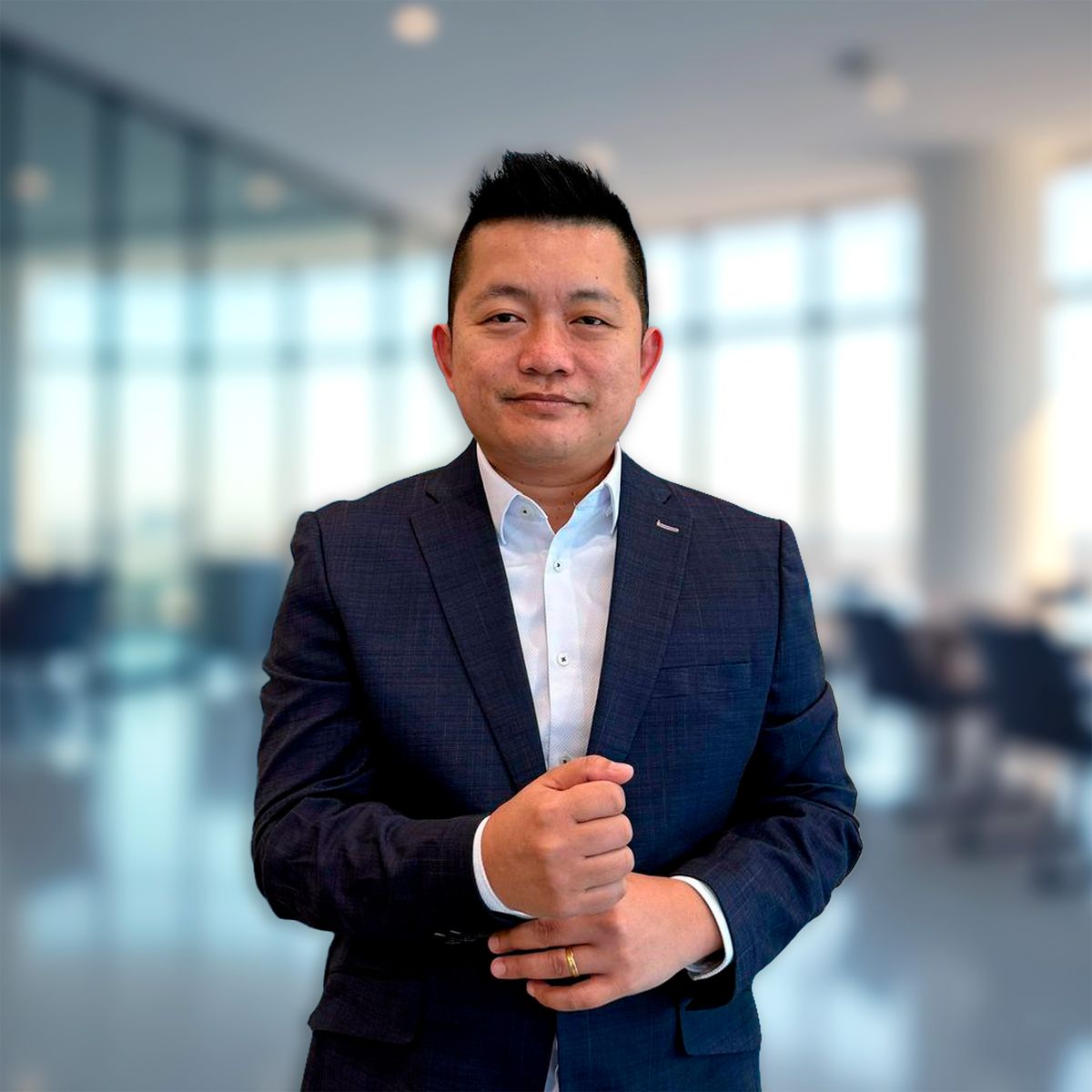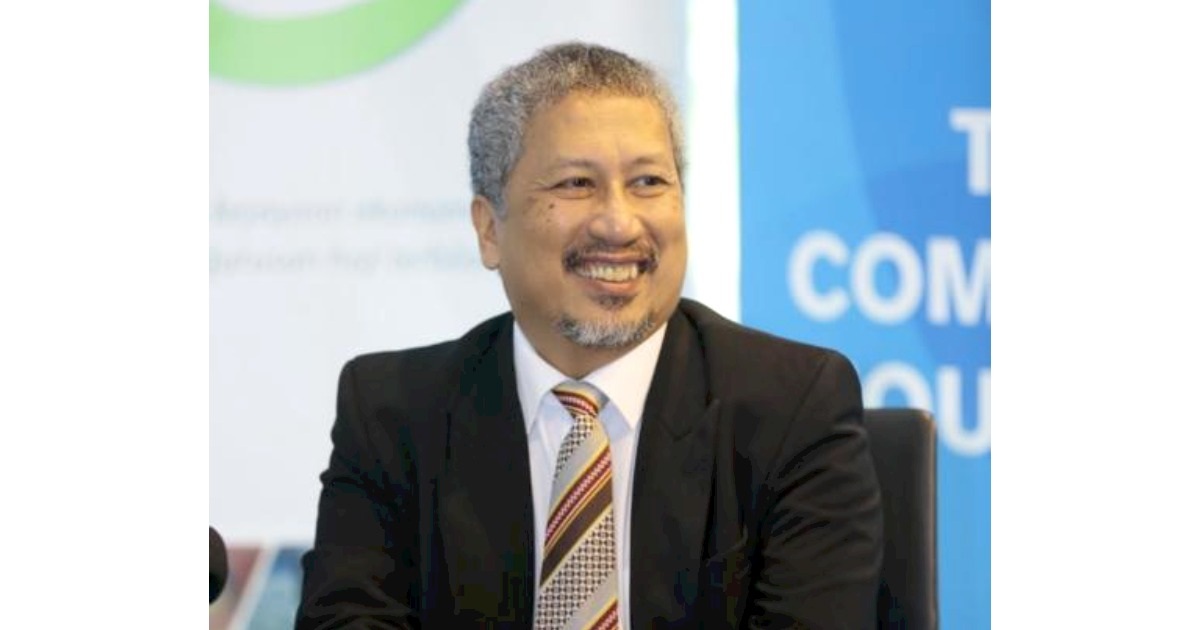
KUCHING: Malaysia is redefining its halal economy by fusing digital finance, innovation and sustainability, a shift that could strengthen its position as a global leader, said Citadel Tayyib 360’s Chief Executive Officer, Adly Mohamed.
He said Budget 2026 shows that Malaysia is moving beyond traditional halal development by linking certification with modern financial tools and emerging technologies.
“We’re not just looking at certification anymore. We’re connecting halal with digital finance and innovation.
“Things like tokenised sukuk and blended finance show that our Islamic finance ecosystem has matured and is evolving in line with the new economy,” he told Sarawak Tribune .
He said the RM100-million allocation for halal small and medium enterprises (SMEs) will help smaller businesses turn ideas into global ventures.
“Many smaller businesses have the ideas and products, but not the funding to scale up or go international.
“This kind of targeted support gives them a real chance to grow, and when they grow, Malaysia’s reputation grows with them,” he said.
He added that the measures send a clear message that Malaysia wants to stay ahead by making the halal sector not only ethical but also dynamic and tech-savvy.
Adly also welcomed the government’s move to expand guarantee facilities and build new industrial infrastructure to strengthen the halal ecosystem.
He said this approach could help businesses adopt the halal-tayyib model as a value-driven practice rather than a compliance exercise.
“Many businesses still see halal as a box to tick for market access. But the tayyib aspect changes all that. It’s about values, about how we produce, how we treat people, and how we impact the environment,” he said.
According to him, stronger support gives SMEs the room to invest in cleaner processes, fairer practices, and better sourcing.
“It helps turn the halal framework into something aspirational rather than burdensome,” he added.
In the long term, he said, companies that embrace halal-tayyib as part of their identity will earn deeper trust from consumers and help mature the entire ecosystem.
As Malaysia moves further into digitalisation, ESG, and Islamic finance innovation, he said governance, talent and technology must progress together to stay competitive.
“For example, when we talk about governance, it’s not just about rules but about transparency.
“If we can build digital traceability systems where every part of the supply chain is visible from farm to factory, that will really strengthen confidence in Malaysian halal products,” he said.
He added that Malaysia needs more professionals who understand both the religious and technical sides of the industry.
“We need people who can talk about syariah compliance and data analytics in the same conversation. That kind of talent does not come overnight, so we need to start developing it now.”
Adly said technology should also be viewed as a guardian of integrity rather than just a tool for productivity.
“If we use AI or blockchain wisely, it can actually make certification more consistent and globally recognised,” he said.
He added that tayyib principles can also elevate Malaysia’s credibility in ethical and sustainable finance, particularly as Budget 2026 links the halal agenda with green sukuk and ESG-aligned funding.
“The idea of tayyib being pure, wholesome and ethical naturally aligns with what ESG is trying to achieve. The difference is that tayyib has always been values-based, not trend-driven.
“When we embed tayyib principles into green sukuk or ESG financing, we’re adding depth,” he said.
“It’s no longer just about meeting sustainability metrics; it’s about ensuring that the entire process, from how profits are made to how people are treated, reflects integrity.”
He said this gives Malaysia a strong moral foundation in sustainable finance.
“It shows investors that Islamic finance isn’t just an alternative model; it’s a trustworthy one. And that trust is what will make us stand out globally.”