Using the Power of Flow to Retain Staff and Delight Guests
IN my previous article, I explored how the concept of flow helps hotel employees stay focused, calm, and attentive when managing demanding guest needs.
Today, let’s take a closer look at the three key dimensions of flow: absorption, enjoyment, and intrinsic motivation. Understanding how to strengthen these experiences is important because it not only helps retain valuable staff but also improves a hotel’s guest satisfaction scores.
Absorption: The Power of Complete Focus
Absorption occurs when employees are fully immersed in their work. In a hotel, this could mean a front desk agent smoothly managing check-ins while responding to guest inquiries, or a housekeeping staff member maintaining high attention to detail during peak occupancy.
When employees are absorbed in their work, they feel more competent, valued, and less exhausted. This boosts retention and leads to more consistent service. Staff who regularly experience this level of focus are more likely to stay, and their steady performance directly improves guest satisfaction.
Enjoyment: Finding Meaning in Work
Enjoyment refers to the genuine pleasure employees feel while performing their roles. It is not about having an “easy day” but about finding purpose and fulfilment.
In a hotel setting, enjoyment often comes from positive guest interactions: a heartfelt “thank you”, a returning guest who remembers staff by name, or successfully resolving a complaint with a smile.
From my own experience working in the front office department, I genuinely loved engaging with guests and listening to their thoughts and concerns. Each conversation was an opportunity to understand their perspective and address concerns immediately. It also allowed me to identify ways to improve not only the reception counter but other hotel outlets that I managed over 15 years ago.
These moments were deeply rewarding, and the enjoyment I felt from connecting with guests fuelled my motivation to make every stay better.
Employees who find enjoyment in their work are more likely to stay, grow, and go the extra mile. Guests often sense this genuine care, long before any satisfaction survey is completed.
Intrinsic Motivation: The Internal Drive
Intrinsic motivation is the internal desire to perform tasks because they are satisfying, meaningful, or aligned with personal values. In hotels, intrinsically motivated staff serve guests not because they must, but because they genuinely want to enhance someone’s stay.
“Employees with strong intrinsic motivation handle stress better, show more empathy, and maintain consistent service.”
This drive is especially important in the hotel industry, where emotional labour is high. Intrinsically motivated employees handle peak periods more effectively, and their likelihood of staying longer means experienced staff are available to deliver high-quality service consistently.
Building a “Flow Culture”
Flow does not happen by chance. Managers and HR teams play an important role in creating conditions that promote it. Strategies may include:
1. Structured, targeted training – Workshops that develop soft skills, emotional resilience, and customer-handling techniques help employees enter flow faster, such as emotional resilience workshops and customer service excellence programmes.
2. Job crafting and autonomy – Allowing staff to decide how to organise daily tasks or approach guest requests helps them stay engaged, feel empowered, and strengthens both absorption and intrinsic motivation.
3. Clear expectations and feedback – Knowing what excellent service looks like and receiving regular guidance improves focus and performance.
4. Recognition of meaningful work – Celebrating instances when employees exceed expectations reinforces enjoyment and purpose.
Tip: When flow becomes part of daily operations, hotels foster a culture of engagement and excellence rather than occasional high performance.
The Human Touch Still Matters
Even in an era of technology and AI, automated check-ins and chatbots cannot fully replace the warmth and empathy of human interaction. Hospitality is about people, and personal connections remain central to a hotel’s brand.
Employees who are fully engaged, motivated, and enjoy their work create memorable moments for guests, whether offering a thoughtful recommendation, responding calmly to a complaint, or sharing a genuine smile. These interactions often leave lasting impressions that technology alone cannot replicate.
Conclusion
When hotel employees experience absorption, enjoyment, and intrinsic motivation, they are happier, more effective, and more likely to stay committed. Retaining experienced staff ensures service excellence, which directly boosts guest satisfaction scores.
Building a flow-focused culture is not just a strategic advantage; it is essential. Investing in flow-focused training is a strategic investment in the hotel’s brand, helping employees deliver more engaging and personalised guest experiences.
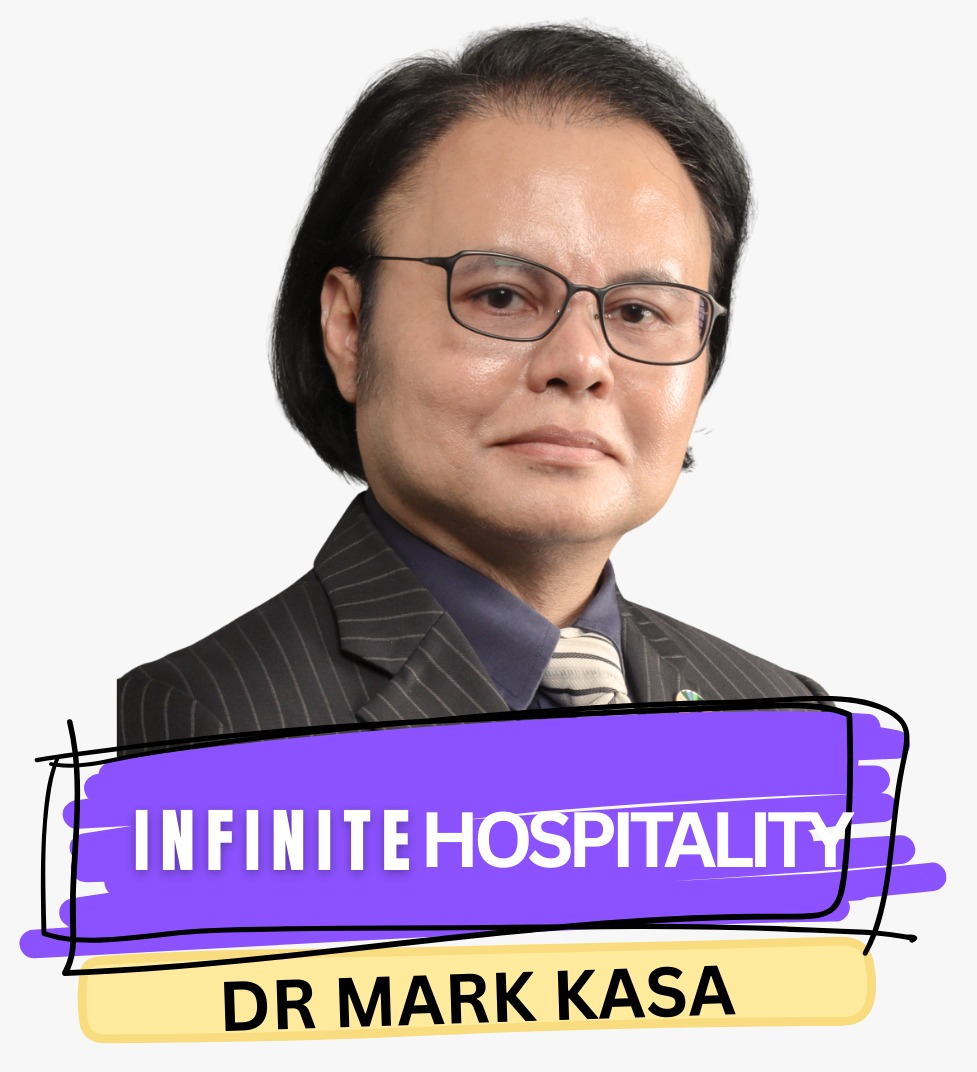
● Mark Kasa is a Senior Lecturer in the Faculty of Cognitive Sciences and Human Development with over 10 years of experience in the hotel industry, having held various senior managerial roles.
DISCLAIMER:
The views expressed here are those of the writer and do not necessarily represent the views of Sarawak Tribune.