IN the bustling coffee shops of Kuching and the vibrant community halls of Sibu, a subtle shift is taking place. If you look closely at a family gathering or a neighbourhood committee meeting, you will notice two distinct worlds colliding. On one side are the Baby Boomers and Gen X, raised on handwritten letters, formal speeches and face‑to‑face protocol. On the other stand the Millennials and Gen Z — digital natives who communicate through instant messaging, memes and viral trends.
This scenario creates what communication experts call “static.” Much like a radio struggling to find a clear frequency, messages are exchanged but not always received with clarity.
In our multicultural society, this friction is becoming increasingly visible. A young committee member might propose using Google Forms to collect feedback for a harvest festival, citing efficiency and data tracking. Meanwhile, a senior member might insist on handwritten surveys or door‑to‑door visits, valuing the personal touch and inclusivity for those without smartphones.
Both methods are valid. Both intentions are noble. Yet, these differing styles often lead to frustration, stalled decisions and isolation between age groups. Bridging this gap is not merely about teaching Grandma to use Zoom or convincing a teenager to write a formal letter. It is about fostering empathy, adaptability and mutual respect.
The Pitfalls of Perception
The greatest barrier to intergenerational communication is viewing differences as deficits. Seniors may dismiss digital ideas as frivolous while the youth may undervalue the wisdom of tradition. This cycle of stereotyping blocks genuine dialogue. Labelling youth as “entitled strawberries” or dismissing elders as “dinosaurs” prevents listening and nuance.
In reality, the divide is often narrower than we think. Many retirees are eager learners, mastering new skills to stay connected with grandchildren. Conversely, many young professionals crave mentorship, seeking the kind of long‑term guidance only experience can provide.
When diversity is ignored, communities lose. A company that disregards youth input on social media risks irrelevance; one that ignores senior advice on financial prudence risks instability. The challenge is not about choosing one side over the other, but recognising that both perspectives are essential. Tradition provides stability while innovation ensures relevance.
Microcosms of Success: The Toastmasters Model
How do we fix this? Organisations like Toastmasters offer a compelling blueprint. In club meetings across the state, retired civil servants often sit side-by-side with university undergraduates. Here, hierarchy is flattened and reciprocal mentorship thrives.
Seniors guide juniors in discipline, vocal variety and gravitas — soft skills no app can teach. Juniors, in turn, introduce seniors to digital tools, demystifying virtual platforms and online contests. This exchange transforms the gap into a bridge. A retiree once fearful of the camera learns to host online workshops while a nervous student gains the poise to command a room. Every member becomes both teacher and student.
Practical Steps for a Resilient Community
Moving from static to harmony requires intentional strategies. Here is how we can start:
- Adopt a Hybrid Mindset: Inclusivity is non‑negotiable. Community events should utilise both traditional and digital methods. A ‘Gotong‑Royong’ notice belongs on the community hall noticeboard for older residents and on Instagram for the youth. Religious organisations are already modelling this balance by distributing printed bulletins alongside livestreamed services.
- Institutionalise Two‑Way Mentorship: We must normalise mentorship flowing in both directions. Imagine retirees mentoring youth on civic responsibility while youth teach seniors about digital security and social media outreach. Tradition and innovation then work in tandem.
- Celebrate Adaptive Business Models: Local success stories show the power of blending generations. Many ‘kopitiams’ (coffeeshops) in Kuching thrive by combining the founders’ traditional recipes with a younger team’s digital marketing. Nostalgic food draws loyalty while viral TikTok videos bring in new customers.
- Embrace Relearning: Futurist Alvin Toffler noted that the illiterate of the 21st century were not those who could not read and write but those who could not “learn, unlearn and relearn.” Seniors must courageously unlearn outdated habits to remain empowered just as youth must learn the patience required for deep work.
- Promote Language Sensitivity: We should encourage bilingual or multilingual communication in community spaces. Alternating between Malay, English and local dialects ensures inclusivity and respect while reflecting our cultural richness.
- A Call to Unity
Managing intergenerational communication gaps is not about homogenising society. We do not want young people to act like seniors nor do we want seniors to mimic teenagers. The goal is to view differences as complementary assets.
Technology, language and values may divide us but they also have the power to enrich us. When youth contribute speed and creativity and elders bring wisdom and resilience, society becomes robust and dynamic.
The future of communication lies in empathy. It requires the patience to listen, the humility to learn and the willingness to adapt. If mastered, our diversity in age — like our diversity in culture — becomes a source of pride and strength. Let us turn down the static of our differences and tune in to the harmony of our shared community.
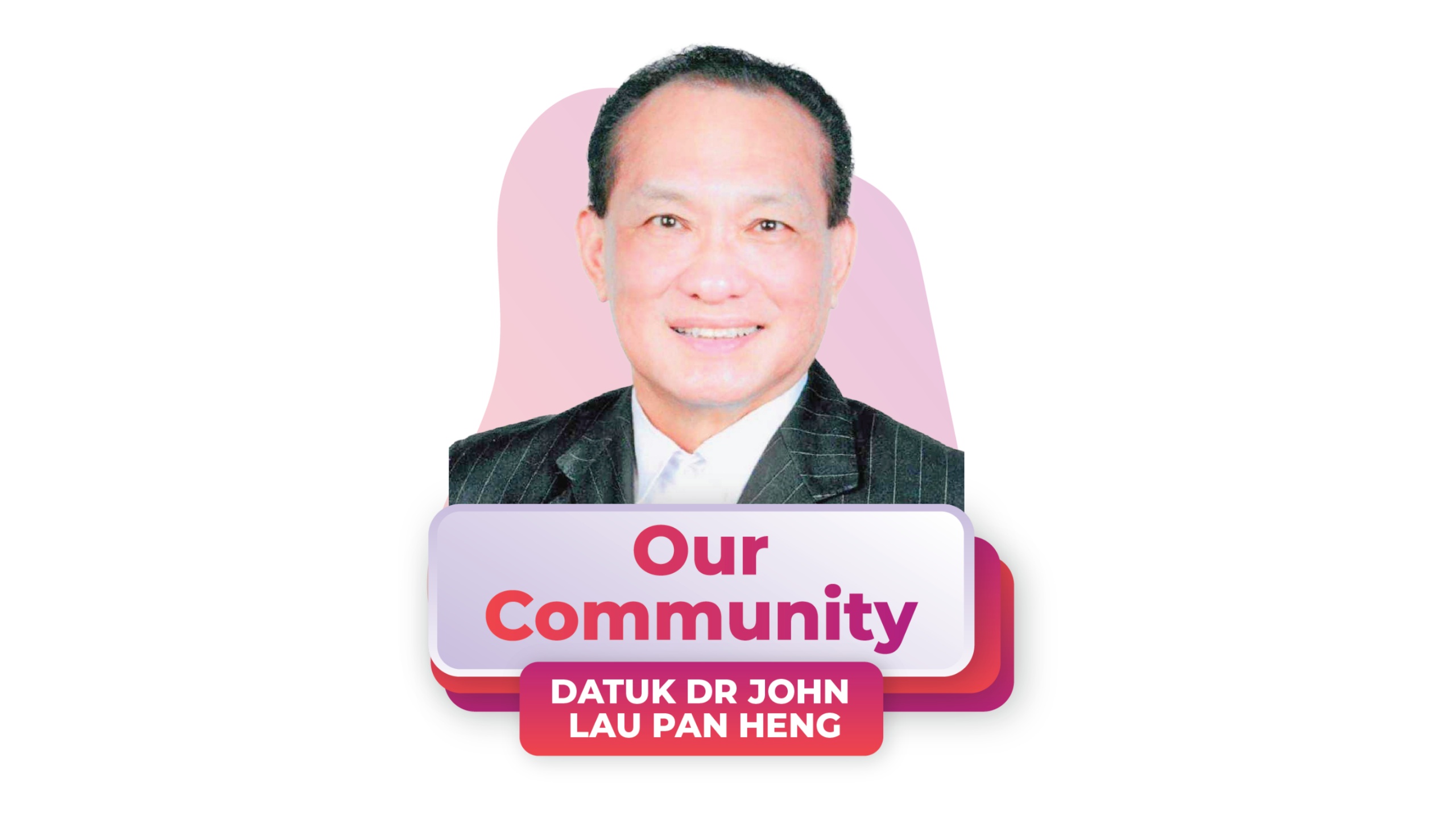
The views expressed here are those of the writer and do not necessarily represent the views of Sarawak Tribune. The writer can be reached at drjohnlau@gmail.com.