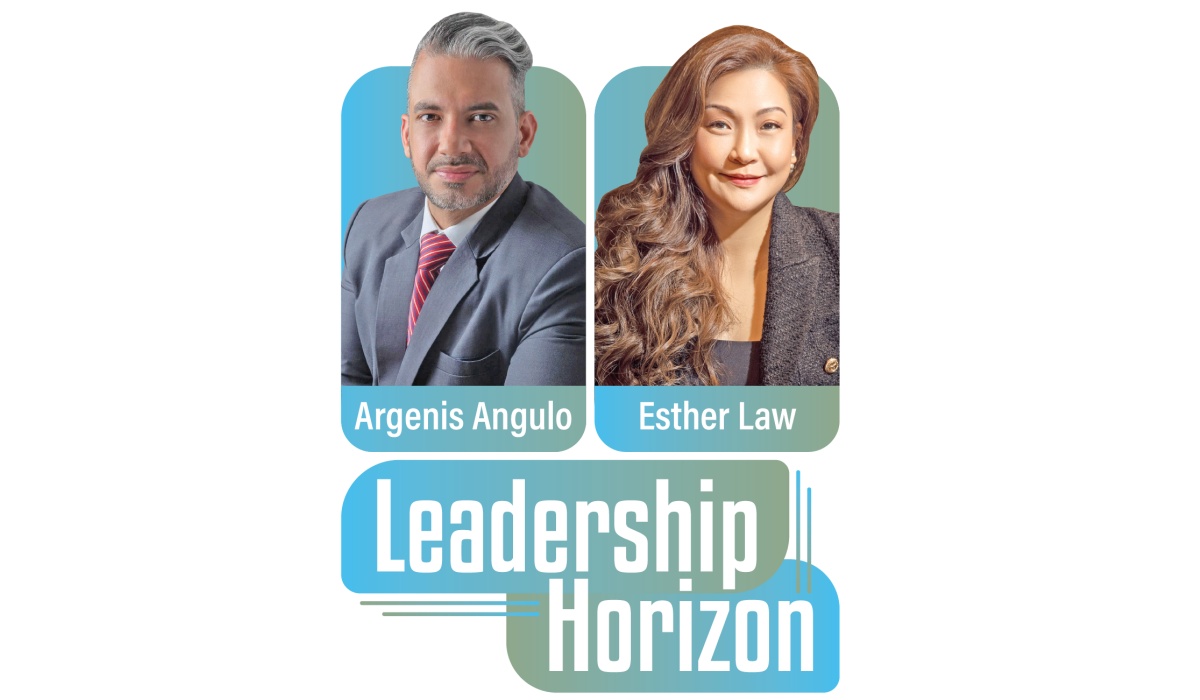
DEAR leaders, let us visualise a world where every leader – from corporate CEOs to community organisers – leads with a deep sense of purpose, empathy, and insight … a world where decisions are made not solely for profit, but for the betterment of communities, fostering long-lasting relationships, and nurturing future generations.
Imagine a scenario where every leader, regardless of their sector – be it corporate, political, non-profit, or grassroots – possesses a profound understanding of not only strategy and finance but also of the spiritual dimensions of human experience. This hypothetical landscape would not only foster deeper connections among employees, constituents, and community members but also drive sustainable success through a foundation of integrity, compassion, and ethical decision-making.
This is the promise of integrating spiritual intelligence into leadership – an evolution of leadership intelligence that cultivates strong, conscious leaders who understand their impact on others and the world.
“Intelligence plus character – that is the goal of true education,” said Dr Martin Luther King Jr, emphasising that true leadership transcends the simple act of making decisions; it requires that kind of character that is shaped by spiritual intelligence. This type of intelligence is defined as the capacity to develop a sense of purpose, engage in self-reflection, and practise empathy – all vital attributes for today’s leaders.
Spiritual Intelligence (SI or SQ) is increasingly becoming a cornerstone of effective leadership. It involves a combination of self-awareness, compassion, and a sense of connection to something greater than oneself. Unlike emotional intelligence, which focuses on managing emotions, spiritual intelligence transcends emotional capacity by enabling leaders to understand their role within a larger context.
Spiritual Intelligence is the ‘heart of leadership’. It is the ability to integrate and apply spiritual resources – values, ethics, meaning, and a sense of connectedness – in a way that enhances personal and organisational effectiveness. David B. King, a noted author on the subject, argues that “Spiritual Intelligence is the ability to adapt and find meaning and purpose in the complexities of our lives and the world”. SQ serves as a complementary partner to traditional forms of intelligence – emotional (EQ) and intellectual (IQ). When leaders cultivate spiritual intelligence, they embrace a perspective that encourages dialogue, fosters creativity, and builds resilient communities capable of addressing the challenges of our times.
Take Oprah Winfrey, for example. Her exceptional career is a testament to the integration of Spiritual Intelligence into leadership. Oprah consistently demonstrates empathy and a deep understanding of her audience, which has allowed her to create spaces of healing and reflection through her media ventures. She stated, “The greatest discovery of all time is that a person can change his future by merely changing his attitude.” This reflects her belief that leaders have the power to influence perceptions and foster a culture of positivity and growth.
In contrast, someone lacking this awareness may lead from a place of fear, ignorance, or greed. The tech industry provides numerous examples, such as companies that prioritise rapid growth over employee well-being, which often leads to burnout and high turnover. Leaders without spiritual intelligence may fail to recognise the human cost of their decisions, leading to a dangerous cycle of profit-driven initiatives devoid of meaningful connection.
A Broader Vision
Leaders equipped with Spiritual Intelligence tend to have a broader vision. They can think beyond profits and outcomes, viewing their organisation’s role within the larger context of society. They prioritise purpose over performance, focusing on creating a sustainable impact rather than merely meeting quarterly targets.
Enhanced Relationships
Spiritual Intelligence emphasises the importance of empathy, compassion, and understanding. Leaders who embody these values can bridge divides within their teams, fostering a sense of belonging that leads to higher employee engagement, morale, and productivity.
Resilience in Adversity
The challenges of leadership are often fraught with uncertainty and stress. Spiritual Intelligence equips leaders with the tools to navigate these difficulties with grace. They can draw upon their inner resources to maintain calm and clarity, inspiring those around them to persevere under pressure.
Ethical Decision-Making
In times of crisis, ethical dilemmas are common. Leaders with strong Spiritual Intelligence can make decisions that align with their values and the greater good, ultimately earning the respect and trust of their stakeholders.
Connecting Spiritual Intelligence to Leadership
To make this concept more accessible and actionable, let us introduce a special key acronym: COMPASS. Each letter represents a crucial aspect of Spiritual Intelligence that can facilitate effective leadership.
- Connection
Building genuine relationships with others fosters trust and community. - Orientation
Aligning actions with values leads to a clear sense of purpose. - Mindfulness
Staying present helps leaders make thoughtful decisions based on awareness. - Purpose
A strong sense of meaning guides leaders towards altruistic goals. - Adaptability
Flexibility allows leaders to navigate change with resilience. - Service
Cultivating a spirit of service creates a culture of support and collaboration. - Spiritual Growth
Embracing continuous learning and self-reflection strengthens leadership capabilities.
The Transformation Within Organisations
Organisations that prioritise Spiritual Intelligence in their leadership approach often experience transformative change. For instance, companies like Patagonia and Ben & Jerry’s not only emphasise financial success but also operate with a strong sense of social responsibility. Leaders in these organisations recognise their role as stewards of the planet and advocates for societal progress.
As Zappos CEO, Tony Hsieh, once said, “You can’t be afraid to be yourself.” This gives credence to the notion that when leaders embrace their authentic selves, grounded in empathy and spiritual awareness, they inspire authenticity in others.
Cultivating Spiritual Intelligence
The imperative is clear: leaders must be able to take actionable steps to cultivate Spiritual Intelligence, not only within themselves but also across their organisations. Here are some strategies to get started:
Self-Reflection:
Encourage regular opportunities for self-inquiry and reflection among team members. This could include journaling, meditation, or group discussions centred around values and purpose.
Training and Development:
Invest in training programs that emphasise emotional and spiritual intelligence. Workshops on mindfulness, ethics, and communication can yield shared benefits for individuals and teams.
Encourage Open Dialogue:
Create an environment that welcomes diverse perspectives and encourages deep, meaningful conversations. This openness can stimulate creativity and innovation.
Foster a Culture of Servant Leadership:
Lead by example. Encourage leaders within the organisation to practise servant leadership, prioritising the needs of their teams and communities.
Measure our Impact:
Develop metrics that assess the spiritual health of the organisation. This could include feedback surveys, employee engagement metrics, and community impact assessments.
Reflections on the Future of Leadership
With growing recognition that the world cannot solve its most pressing challenges solely through conventional intelligence, integrating Spiritual Intelligence into leadership represents a revolution in how we approach the future. Well-rooted leaders who prioritise values-driven decisions shall emerge as catalysts for societal transformation, aligning their organisations with a vision that truly serves humanity.
As we reflect on the myriad aspects of leadership intelligence, let us remember that Spiritual Intelligence serves to unify, uplift, and inspire. The challenges leaders face is complex, but with intentionality grounded in their spiritual core, they have the potential to create a legacy of impact that echoes beyond conventional business success. As we embrace this holistic perspective, let us step forward, armed with our COMPASS, ready to navigate the sophisticated landscape of tomorrow’s leadership.
Dear leaders, as we venture further into an era that demands more than mere transactional relationships, it is essential for leaders of all walks of life to explore the transformative power of Spiritual Intelligence. Incorporating elements like connection, orientation, mindfulness, purpose, adaptability, service, and spiritual growth will not only enrich individual experiences but also forge collective success. The challenge now is for each leader to personally resonate with this vision and champion it within their respective realms. Ultimately, a world led by spiritually intelligent leaders is not just a lofty dream but a tangible goal worth striving for.
In an increasingly complex and interconnected world, the call for spiritually intelligent leadership has never been more urgent. Would you answer that call?
DISCLAIMER:
The views expressed here are those of the writers and do not necessarily represent the views of Sarawak Tribune. The writers can be reached at argenisangulo@gmail.com and lawleepoh@gmail.com.