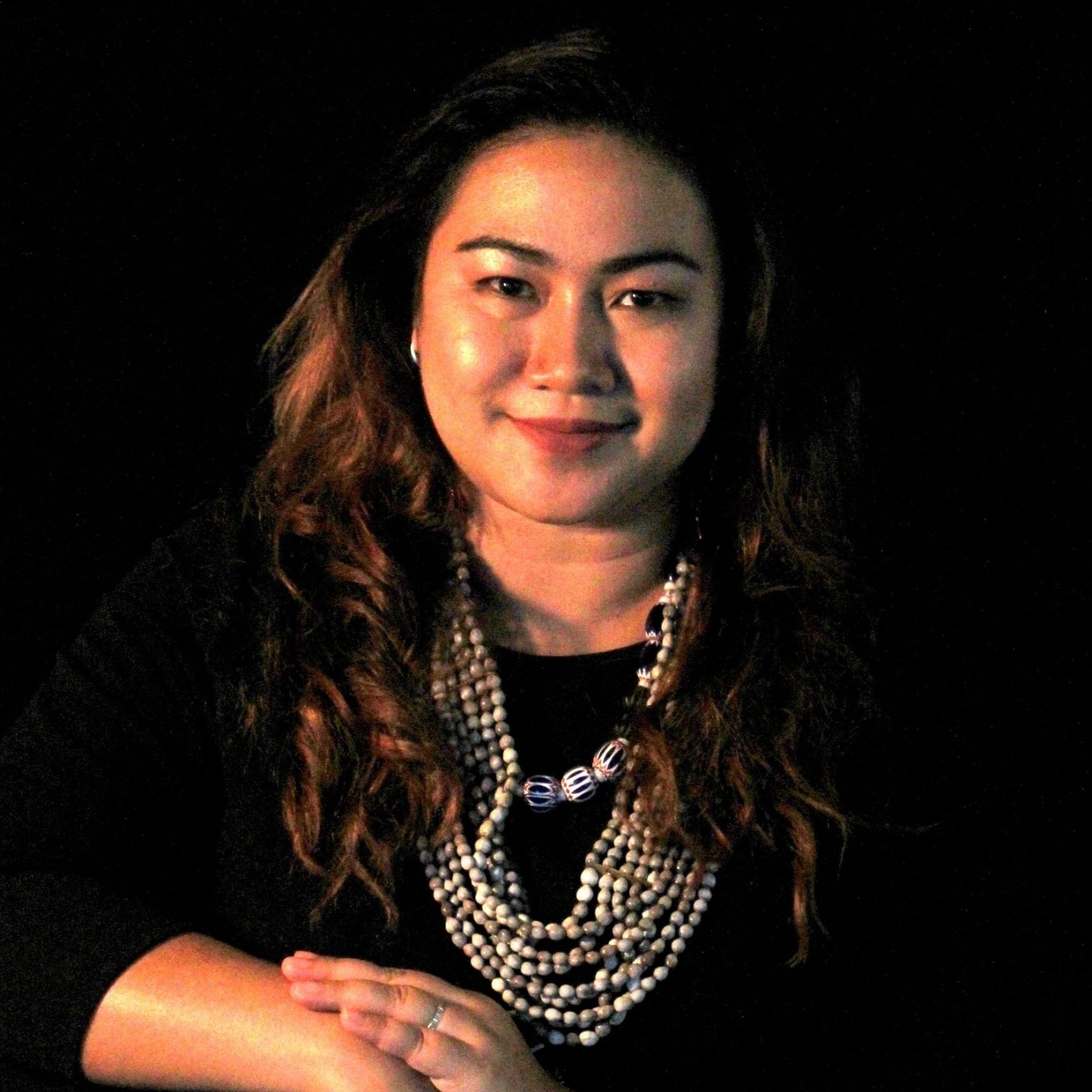
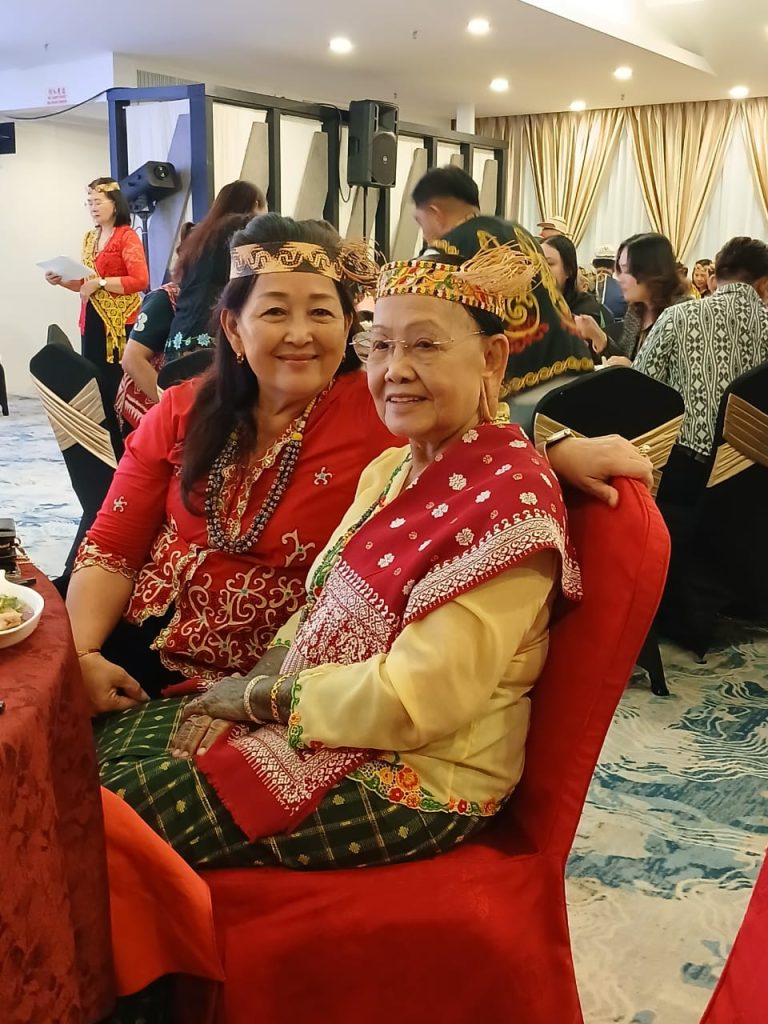
KUCHING: Soft-spoken but firm in principle, gentle in manner yet unwavering in commitment, Datin Sri Hau Ngo embodies the true meaning of grace in leadership.
Widely known for her warm smile and approachable nature, she has long been a pillar of strength and compassion in the Kayan and Orang Ulu communities of Sarawak.
Those who know her well often describe her as someone who leads not by raising her voice, but by setting an example, firm when needed, fair at all times, and always guided by sincerity.
It is this rare balance of kindness and strength that has earned her deep respect across generations.
As the devoted wife of the late Dato Sri Nyipa Bato, Hau Ngo has stood faithfully by his side, offering steadfast support throughout his leadership journey.
Yet her own contributions shine just as brightly. Through her lifelong dedication to social development, women’s empowerment, and the preservation of Orang Ulu culture, she has touched countless lives, often quietly, without seeking recognition.
Her role as the founder of Wanita Orang Ulu Sarawak gave voice to women who were once unheard, while her leadership in community and family development strengthened the social fabric of Hulu Rajang, whether working with grassroots communities, cultural institutions, or welfare organisations, she has always been known as someone who listens, understands, and acts with heart.
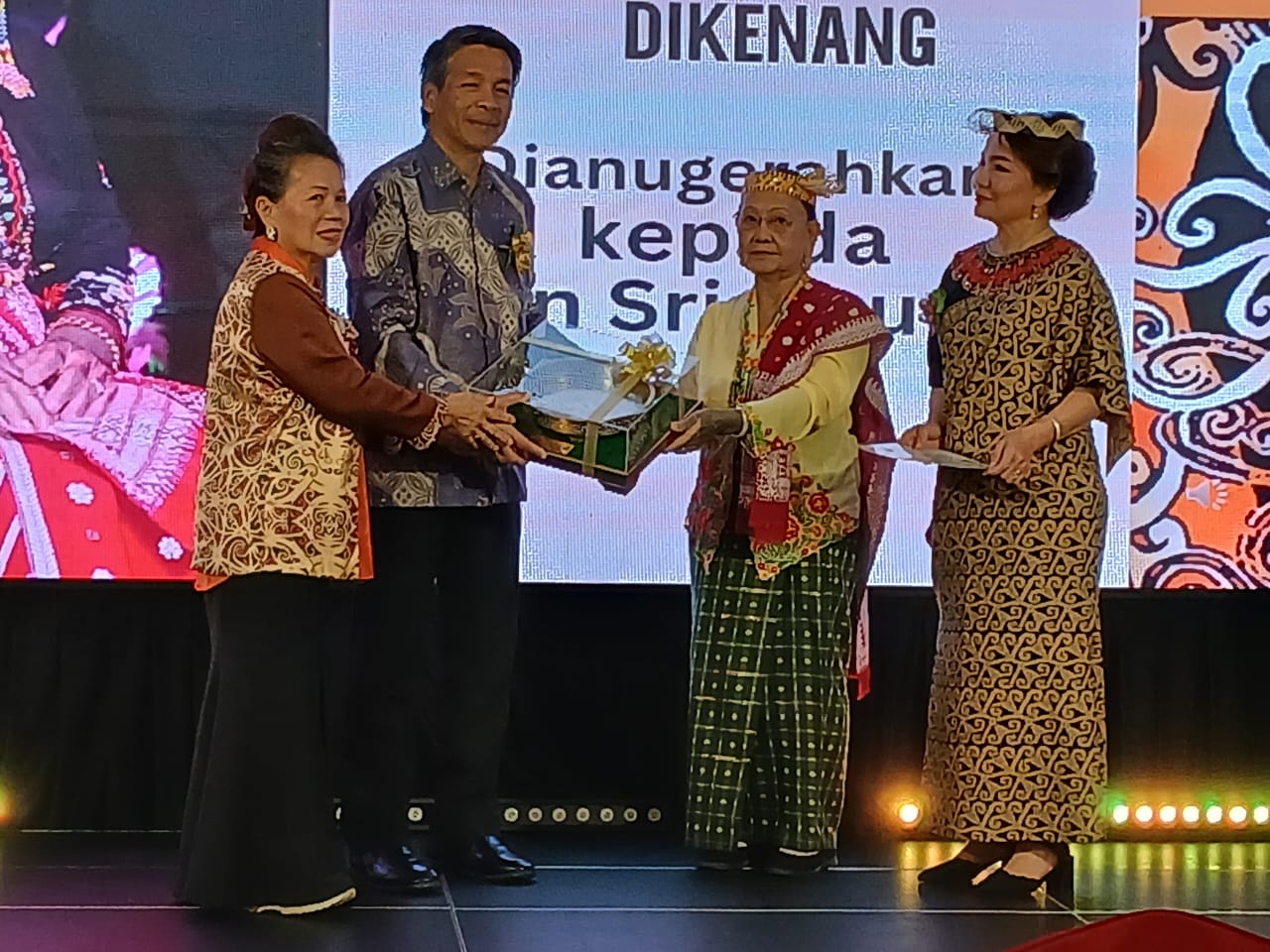
The conferment of the Johan Bintang Kenyalang (JBK) and the ‘Jasamu Dikenang’ recognition accorded to her during the Persatuan Wanita Kayan Sarawak (PWKS) dinner on Sunday stands as a fitting tribute to her character, sacrifice, and lifelong dedication to unity, progress, and cultural heritage.
When asked about this recognition, having served the Kayan community since 1975, she speaks not with grandeur, but with gratitude and humility.
She said, in the early years, Kuching was still developing, and the Orang Ulu presence particularly among the Kayan people was small.
Yet it was during this time that her journey of service began, driven not by recognition, but by a simple commitment to help her community whenever she could.
She recalls a time when Orang Ulu families from Belaga and Baram would arrive in Kuching to manage their children’s education or attend to government matters.
With few familiar faces in the town, her home became a natural gathering place. Visitors were welcomed like family, reflecting the close-knit spirit of the Kayan community, where support and togetherness were never questioned.
Her service was quiet and consistent, never measured by titles or acknowledgment, but by the needs of the people she helped along the way.
“There were not many of us of the same age then, we simply did what needed to be done,” she reflected.
Today, she expresses deep appreciation for the recognition given to her and, more importantly, for the progress she sees within the community.
Education, once a distant aspiration for many, is now widely understood as essential. She hopes that as younger generations move forward, they will continue to honour their customs, respect their elders, and remain grounded in the traditions that define their identity.
She reminds that education and modern success should never come at the expense of cultural values.
While the role of Orang Ulu women has evolved over time, becoming more visible, confident, and engaged in public life, she believes that grace, respect, and humility remain timeless virtues.
“Let others speak of your achievements, there is no need to show off,” she said.
Yet, behind her modest words lies a quiet pride.
Their achievements stand as a testament not only to progress, but to the strength of a community that has remained rooted in its values while embracing change.
Today, Kayan and Orang Ulu women are educated, capable, and making meaningful contributions across many fields.