KOTA SAMARAHAN: Employers and organisations should prepare clear contingency plans for hazy conditions instead of waiting until air quality deteriorates and disrupts operations.
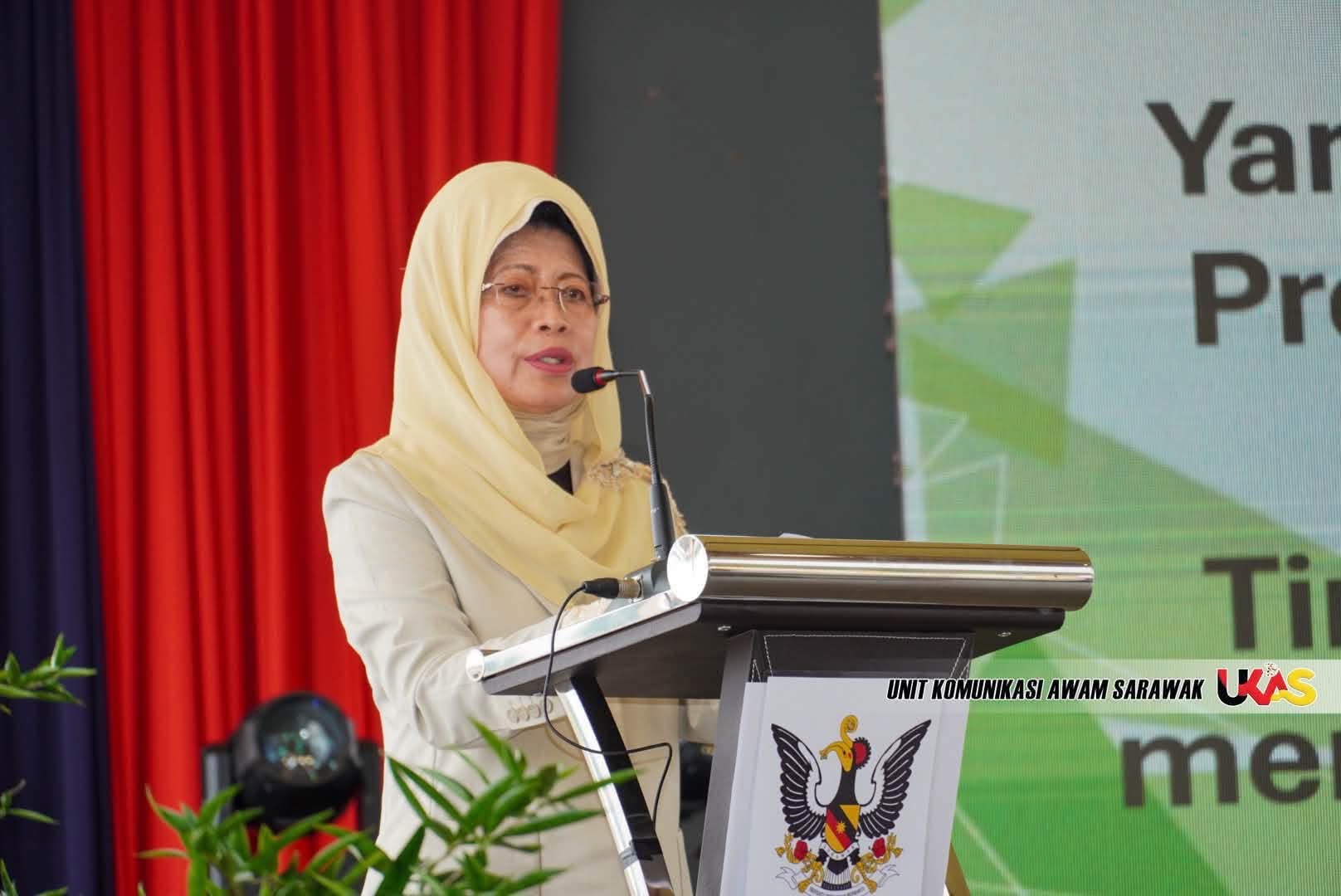
Universiti Teknologi MARA (UiTM) Sarawak rector Professor Dr Firdaus Abdullah said haze management should shift from a reactive approach to one that was more proactive and systematic, with organisations identifying risks, decision-makers and actions to be taken at different levels of air pollution.
“We cannot continue waiting until the haze becomes serious before taking action. Management must shift towards earlier and more systematic preparedness.
“Every organisation should have a clear contingency plan so operations, employee welfare and productivity can continue to be managed if a haze episode persists,” he said in an interview with Sarawak Tribune.
Dr Firdaus said organisations could monitor real-time Air Pollutant Index (API) readings and establish specific thresholds to guide decisions.
For jobs that allow it, flexible work arrangements, including working from home, could be implemented when conditions warranted, while workers required to be outdoors should be provided with appropriate protective measures.
He said event organisers should also prepare alternatives, including moving outdoor activities to suitable indoor venues or postponing them when air quality deteriorated.
“The important thing is for organisations not to wait until a crisis occurs before making decisions. We need to prepare before conditions become critical because once a crisis occurs, there is less room to make decisions and the cost of adjusting operations may be higher,” he said.
Dr Firdaus said air pollution should be treated as an operational risk alongside other disruptions such as floods, power outages and supply chain interruptions.
“The question is not whether haze will occur, but how organisations can continue operating when it does.
“This requires organisations to identify risks early, determine who is responsible for making decisions and establish the actions to be taken at different levels,” he said.
For educational institutions, he said universities should also have business continuity plans covering teaching and learning, research, co-curricular activities, sports and outdoor programmes.
Outdoor activities could be suspended when conditions were unsuitable, while selected teaching sessions could be moved online to minimise disruption to learning.
He added that indoor air quality should also be prioritised, including the use of suitable air filtration systems and ensuring learning and work spaces remained safe and comfortable.
“At the same time, basic treatment and protection facilities should be made available to members of the campus community,” he said.
Dr Firdaus stressed that operational continuity did not mean maintaining all activities as normal regardless of conditions, but ensuring organisations could adapt their operations without compromising the safety and well-being of their workforce and communities.