KUCHING: Malaysian businesses expect their electricity use to climb within three years, with 91 per cent anticipating higher consumption by 2028.
Ernst & Young’s (EY) Navigating the Energy Transition research programme found that 75 per cent of businesses also expect their energy needs to become more complex as cost pressure, supply reliability and decarbonisation requirements reshape how companies plan and operate.
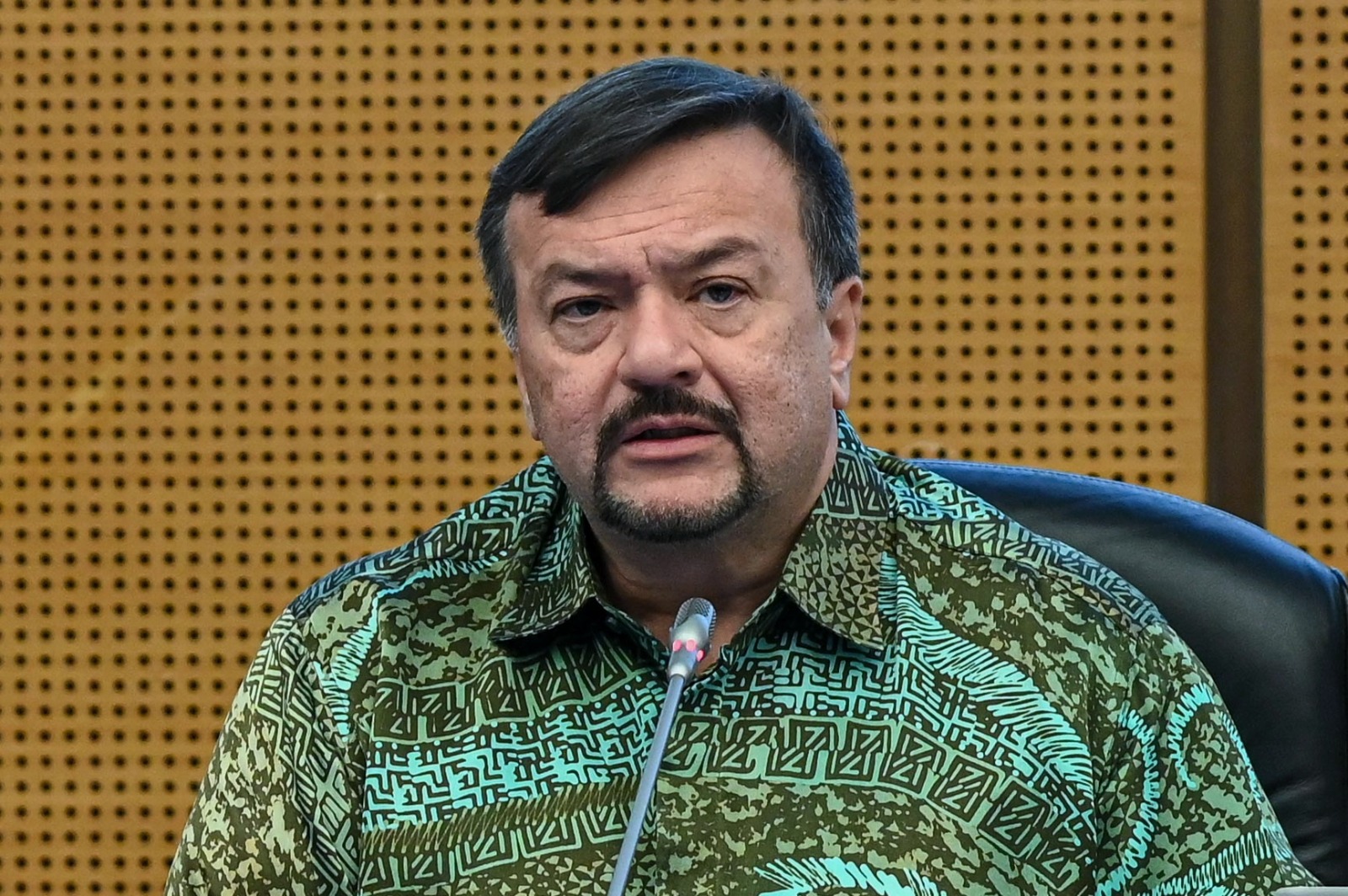
EY Consulting Sdn Bhd Partner and EY Asia-Pacific Energy & Resources Customer Experience Transformation leader, Mark Bennett, said energy is now a competitive asset.
“Businesses that embrace smarter, greener solutions will unlock growth and resilience.
“Collaboration between companies, energy providers and policymakers is critical to Malaysia’s energy future,” he said.
EY said the expected demand increase is being driven by electrification, the adoption of electric vehicles and wider use of digital technologies such as automation and artificial intelligence.
It said the findings come as Malaysia advances the National Energy Transition Roadmap, which targets 70 per cent renewable energy by 2050, with initiatives such as the Solar Accelerated Transition Action Programme taking effect in 2026.
It pointed out that businesses account for more than 75 per cent of Malaysia’s electricity demand and the research indicates a readiness to invest in clean energy solutions.
It added that more than 83 per cent plan to increase investment in electrifying operations, lowering emissions and reducing energy costs, while 72 per cent are considering on-site renewable installations such as rooftop solar.
EY added that more than half of businesses surveyed, or 54 per cent, are exploring opportunities to sell surplus energy back to the grid.
Across sectors, EY said over 90 per cent of manufacturing and IT businesses expect double-digit growth in electricity use.
It said more than a quarter of businesses, led by retail and transportation companies, rank sustainability as their top energy goal, while construction firms are emerging as leaders in on-site generation adoption.
EY said energy strategy is reinforced by Budget 2026’s focus on the National Energy Transition Roadmap, with 80 per cent of businesses seeking smarter tools for energy management.
As businesses electrify operations and invest in renewables, the research programme stated that this could support cleaner air, expanded EV infrastructure and more resilient energy systems, while warning that rising energy costs and infrastructure gaps could affect affordability and reliability if not managed proactively.
With electricity demand expected to grow by between 60 per cent and 100 per cent by 2050, EY said Malaysia’s energy ecosystem is at a turning point and that closer coordination across the ecosystem will matter as demand rises.