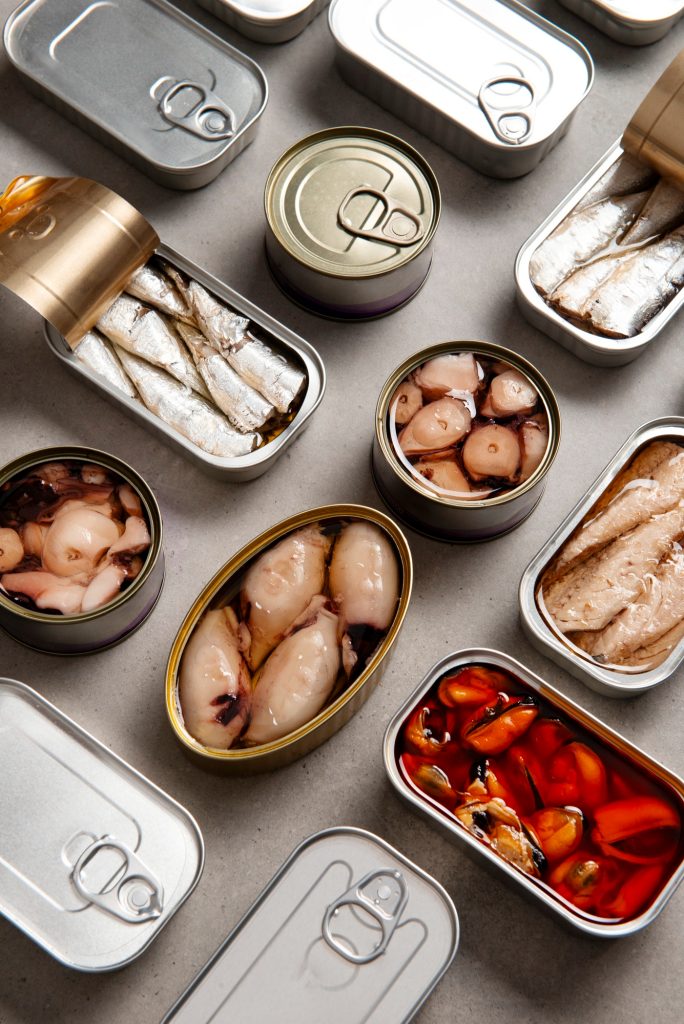
WHEN you open a tin of sardines or baked beans, you’re enjoying more than just a convenient meal — you’re tasting the legacy of a centuriesold invention that transformed how humans preserve and consume food.
From Napoleon’s army to Malaysian households, the story of canned food is one of science, necessity and global adaptation.
From preservation to innovation Before canning existed, people relied on drying, salting, smoking and pickling to keep food edible.
These methods worked, but they were labourintensive and often inconsistent.
The breakthrough came in 1795 when French leader Napoleon Bonaparte offered a 12,000-franc reward to anyone who could develop a reliable way to preserve food for his army. Enter Nicolas Appert, a French confectioner who discovered that sealing food in glass bottles and heating it kept it fresh for months.
His method, published in 1810, marked the birth of modern food preservation — though he had no idea that heat was killing bacteria and creating a vacuum seal.
That same year, Englishman Peter Durand patented the use of tin-plated iron cans, a sturdier alternative to glass.
The first commercial cans appeared in Britain by the 1820s, supplying the Royal Navy and merchant ships. Early cans were thick and heavy, often requiring a hammer or bayonet to open.
The first can opener didn’t appear until 1858.
Feeding armies and cities
Canned food quickly proved essential for soldiers, sailors and explorers.
During wars and long expeditions, it provided stable, long-lasting nourishment that didn’t require refrigeration.
As industrialisation grew and more people moved to cities, canned foods made their way into ordinary homes — offering convenience, safety and variety at a time when fresh produce was not always available.
By the early 20th century, innovations like the “double-seam” can end improved safety and shelf life, while thinner materials made cans lighter and cheaper.
From canned soups to fruits and meats, factory production helped feed a rapidly urbanising world.
A colonial import to a regional staple
Canned food arrived in Southeast Asia during the late 19th and early 20th centuries via colonial trade routes.
Imported items such as tinned sardines, corned beef and condensed milk became prized for their durability in tropical climates.
At first, they were considered luxury goods — found in colonial households or sold in port towns like Penang, Singapore and Kuching.
But by the Second World War, canned goods had become vital sources of nutrition during food shortages and rationing. Malaysia’s role in the canning story Malaysia’s canning journey took off in the 1930s, with local factories processing pineapples, rambutan and lychees for export.
The country became one of the region’s pioneers in canned tropical fruits, particularly in Johor and Perak.
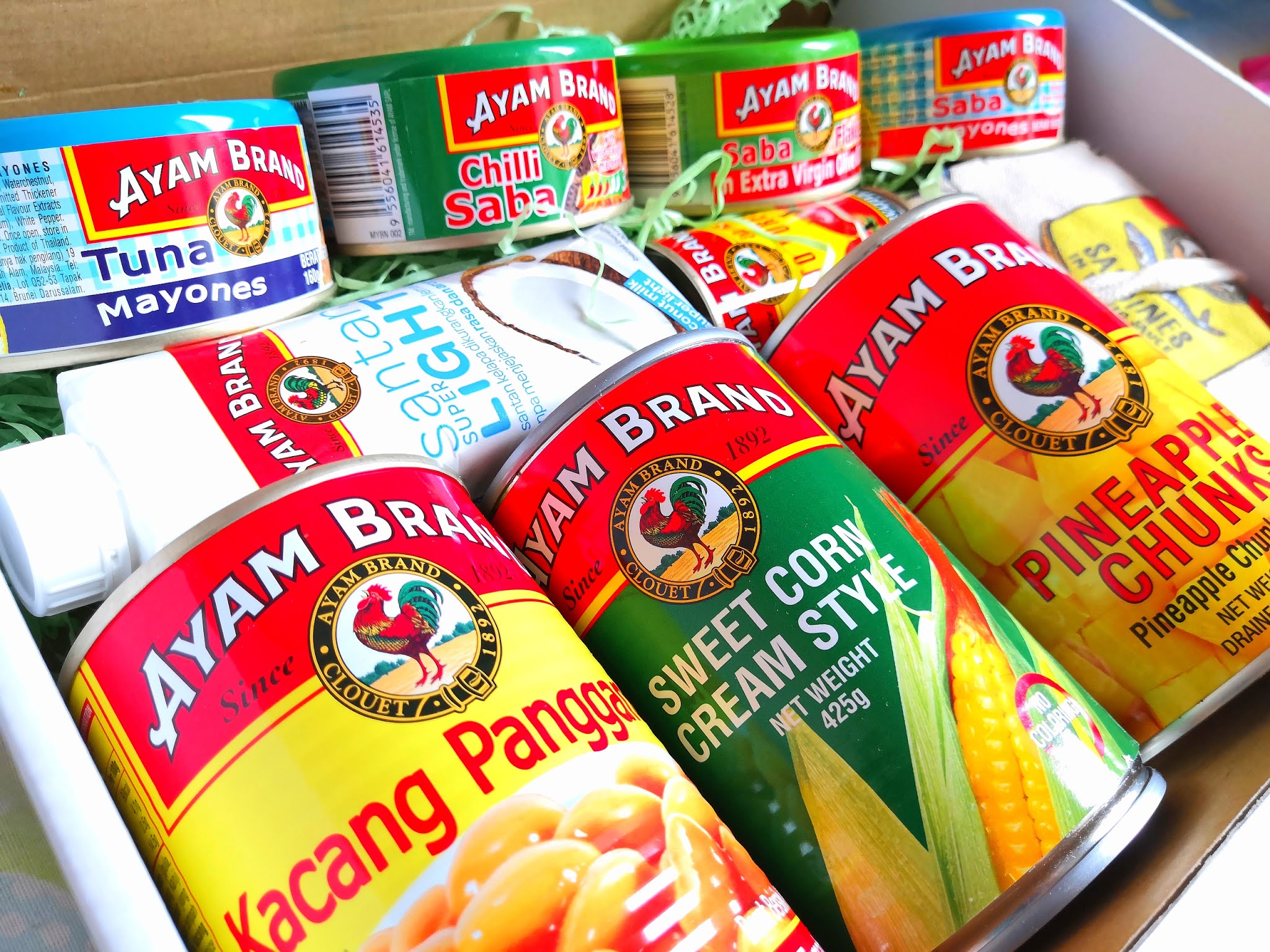
One of the most enduring names in the region is Ayam Brand, established in Singapore in 1892. Its sardines, tuna and baked beans became pantry staples across generations, blending Western technology with Asian tastes.
Today, Ayam Brand products are exported to more than 30 countries, symbolising Southeast Asia’s longstanding relationship with canned food.
In Malaysian kitchens, tinned goods have been fully integrated into local cuisine — think sardines cooked in spicy sambal, canned mushrooms in stir-fried vegetables, or condensed milk in teh tarik and kopi ais.
What began as a colonial import is now deeply rooted in daily life.
From necessity to nutrition Modern canning techniques preserve not only flavour but also nutrients. Studies show that canned fruits and vegetables can retain fibre and vitamins comparable to, and sometimes exceeding, their fresh counterparts.
As long as the can remains sealed and undamaged, food can stay safe for years — a testament to the durability of this 200-year-old invention.
Two centuries later, the humble tin can still represents something remarkable — a simple, durable idea that continues to feed the world.