AS humans, we naturally fear the unknown, and that fear often brings emotional unease. This psychological response is nothing new. When COVID-19 emerged in 2020, it introduced a virus the world knew little about — and naturally, we were afraid.
The uncharted future beyond screens
This fear extends beyond health crises. When the personal computer was introduced in the early 1980s, the term computer-phobia emerged. According to the 1996 book Women and Computer, many people were reluctant to use computers due to fears of becoming dependent on them, being replaced by them, or even becoming enslaved by them.
As technology continues to evolve, such anxieties resurface with each shift. In today’s context, Artificial Intelligence (AI) is firmly embedded in our lives, yet it too inspires its share of phobias. People worry about how it will shape our futures and whether entire sectors of the workforce will be replaced by machines.
Nevertheless, technological advancement is deeply intertwined with human life. It has become part of our culture, and we are gradually adapting to these changes. In Sarawak, under the stewardship of Premier Datuk Patinggi Tan Sri Abang Johari Tun Openg, the state is pressing ahead with its digital economy agenda, guided by the Sarawak Digital Economy Blueprint 2030.
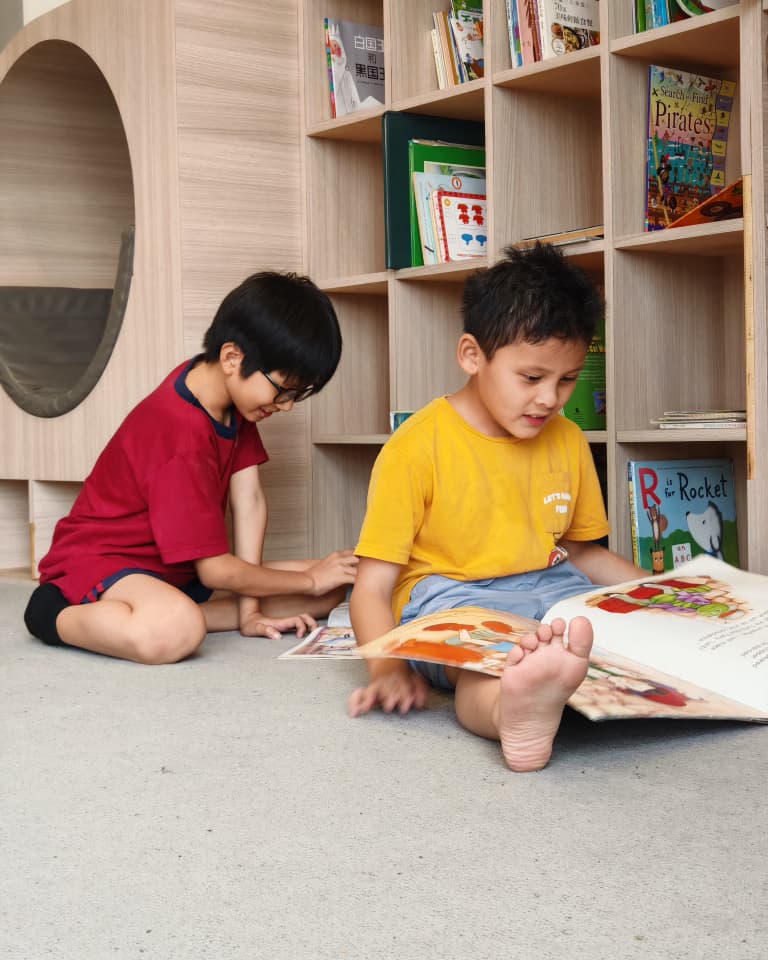
Soon, the younger generation — our children — will never know a world without digital devices or AI. The shift is already underway, with even young children spending time on devices and exploring ideas through digital platforms. Education systems are adapting, re-evaluating their programmes to integrate STEM (Science, Technology, Engineering and Mathematics) learning. This ensures children not only adapt to the digital age, but also have the tools to thrive in it.
Growing up amidst the shift
There is a stark difference between children today and those of 15 years ago. Although the early 2000s brought technological exposure to those born in the late 1990s, the impact was limited. The real transformation came when smartphones and tablets became more accessible and affordable, ushering in a generation raised entirely within the digital realm.
Kindergarten teacher Chan, who has been in the profession for over a decade, has witnessed this change firsthand.
“When I started working here 15 years ago, the children were more focused and quiet. They kept to themselves and followed instructions,” she recalled.
“But today, the children are more opinionated. They know exactly what they want to share in class, and they know a lot more than many adults. They talk about other countries, or languages they’ve learned,” she added.
Chan attributes this to early exposure to digital devices, which has broadened children’s worldviews and increased their social and cultural awareness. “They’re more aware. In terms of schoolwork, they’re more innovative and creative. We use computers in class, and I find the children to be very tech-savvy.”
At Treehouse Academy, co-founder and educator Kenneth Chai shared his observation, describing today’s children as “true digital natives” — able to move seamlessly between the physical and digital worlds, armed with high-speed internet and intuitive tech skills.
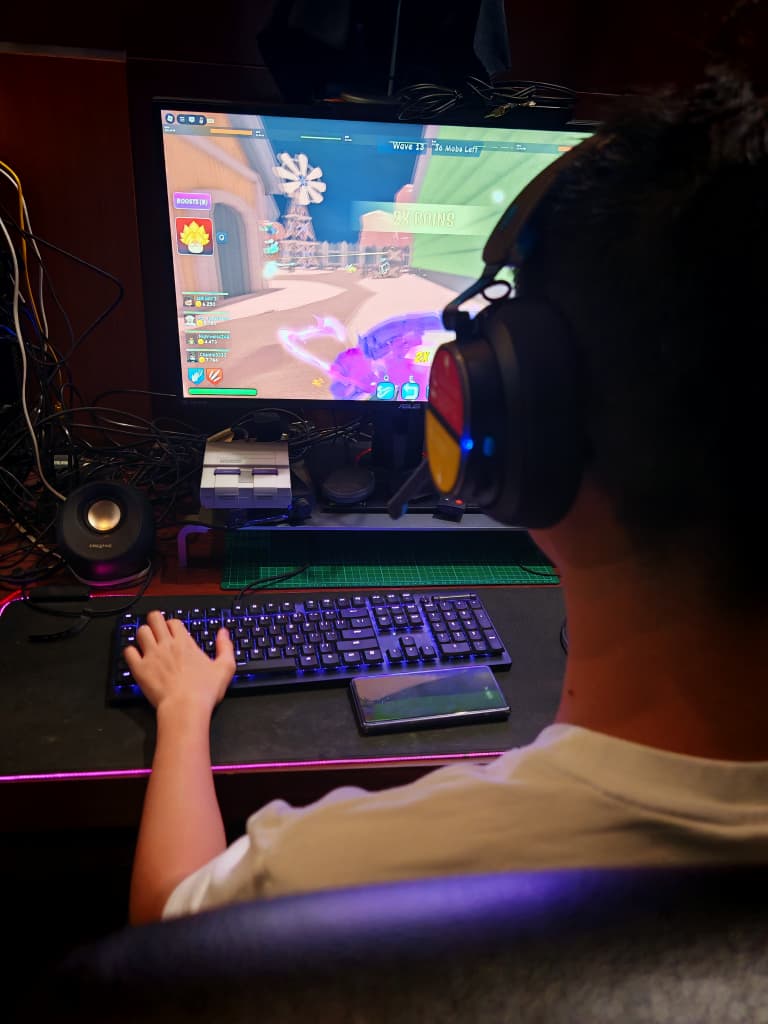
“What I’ve noticed is that children are growing up increasingly isolated despite being ‘connected’. We see children who are digitally fluent but socially struggling, with access to infinite information but lacking real-world application skills,” he said.
Chai pointed out that the biggest change has been the move from information scarcity to information abundance, alongside a shift from community-based learning to isolated consumption.
“Children now learn to prompt AI effectively, but they’re losing collaborative problem-solving skills. We used to argue with our parents, ‘But my teacher said…’ But now it’s, ‘Let me check with ChatGPT’,” he noted.
The learning curve
Embracing this shift can be daunting, especially given the many reports of online dangers. This makes it more vital than ever that children learn to navigate the digital space safely. But, Chai stressed, fear of the unknown should not be a barrier to learning.
He likens the experience to buying a second-hand car: “When something breaks, you figure out how to fix it. That’s the learning curve. Now, imagine buying a brand-new BMW — if anything goes wrong, you just send it to the workshop. You’d miss out on the whole learning process.”
At home, the father of two does not restrict his children from exploring the digital world. With proper safeguards, he allows them to navigate on their own and learn from trial and error. To him, this process is essential, as real-life experiences and mistakes can teach lessons no textbook can.
“We can’t shelter our children forever. Eventually, they’ll join the wider digital community, learning to balance online and real-life interactions. By going through that learning curve, they’ll understand.”
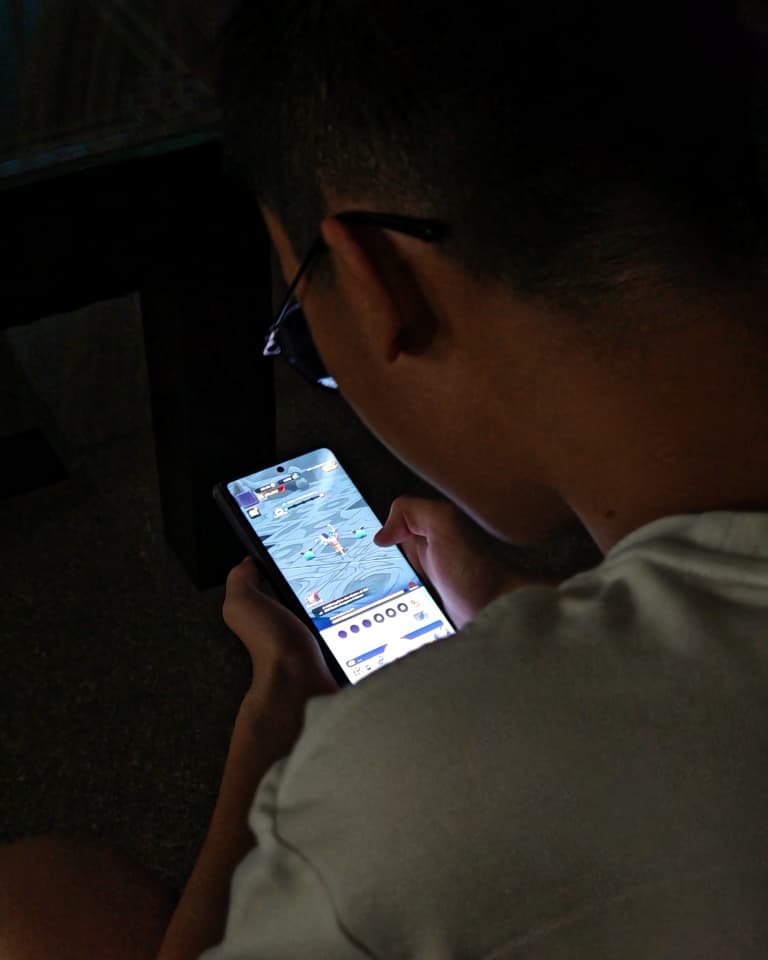
When it comes to misinformation and scams online, children may not know better. Chai believes that experiencing such situations and learning to question them is key.
“They’re still children. One student told me he saw a video about an alien invasion. Knowing it was fake, I asked him what made him think so. How did he know? I kept asking until he realised the mistake and began questioning it himself.”
That curiosity, he explained, is the first step in developing critical thinking. “I want children to apply that same logic elsewhere — to ask questions, form their own ideas, and test them. That’s the foundation of scientific thinking, and it’s what builds real-world intelligence.”
Regardless of the changes, the way children learn, play, and explore is evolving — and so must we. As Sarawak forges ahead into its digital future, our task is not to fear the shift, but to guide our children through it with wisdom and care. With the right tools, they will not just keep pace with technological change — they will lead it.