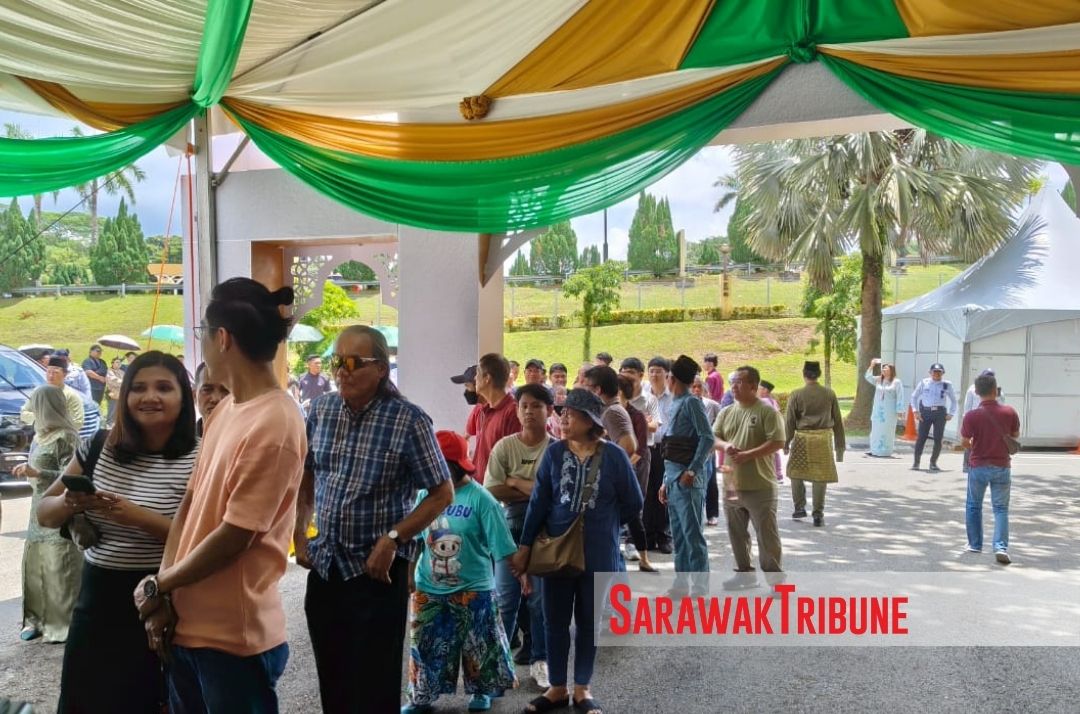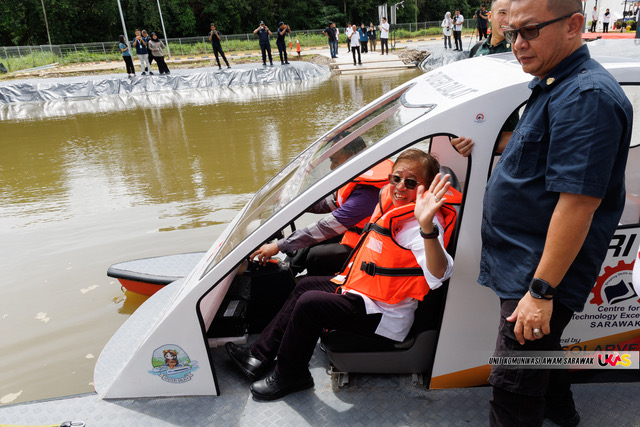
DALAT: Sarawak has introduced hydrogen innovation into its small-craft maritime sector with the unveiling of a five-metre hydrogen-powered catamaran at the Centre of Technical Excellence Sarawak (CENTEXS) Dalat Campus launching ceremony today.
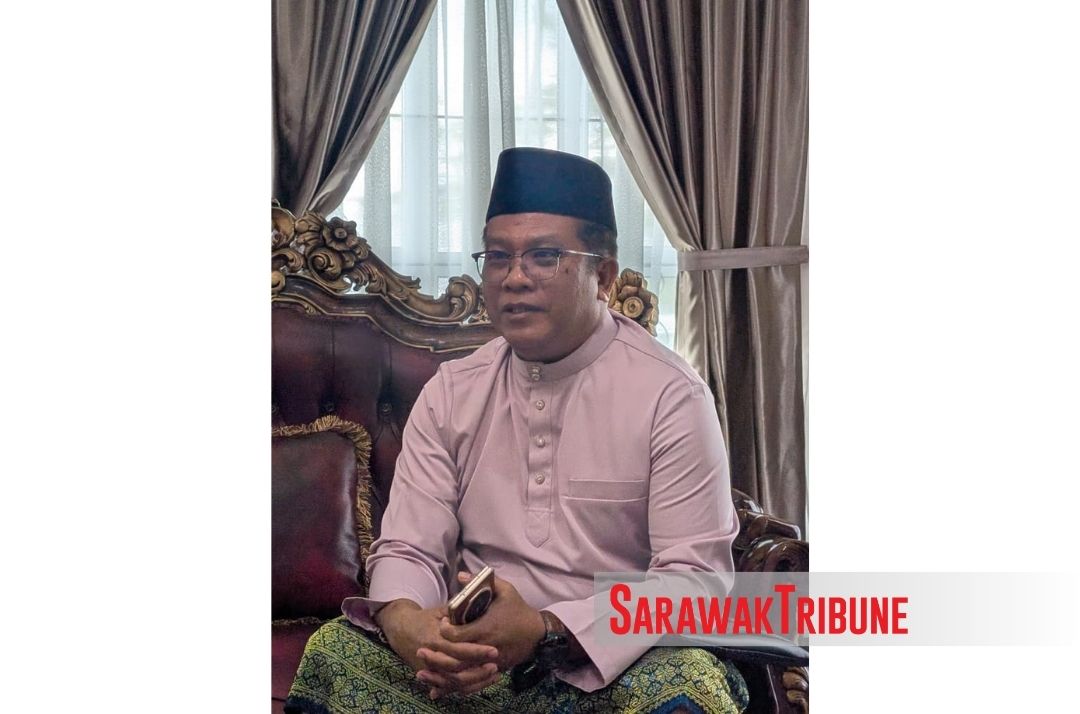
CENTEXS Chairman, Tan Sri Datuk Amar Mohamad Morshidi Abdul Ghani, said the vessel, named Puteri Dalat, operated using a hydrogen fuel cell paired with a battery energy storage system (BESS), allowing cleaner and quieter travel.
He said the technology enabled hydrogen to be converted into electricity with water as the only by-product, making it suitable for future green-energy applications in rural and coastal communities.
“This project began two years ago at the Kuching Green Energy Testbed through a collaboration involving CENTEXS, Solarvest and Huawei.
“We are now extending the technology to Dalat to support local boat-building activities, especially the development of lightweight catamarans,” he said at the CENTEXS Dalat Campus launching ceremony here today.
Morshidi said hydrogen offered advantages in storage and travel distance due to its ability to be compressed at high pressure.
With compression up to 300 bar, he said a craft using multiple hydrogen cylinders can potentially travel up to 1,000 kilometres.
He said that this is further than typical electric vehicles and even petrol-based small craft.
“Compressed gas is able to store far more energy than petrol. Simply put, the higher the level of compression, the more energy it can retain,” he explained.
He said Puteri Dalat was built using Glass Fibre Reinforced Polymer (GFRP), resulting in a light yet durable structure capable of carrying two passengers and operating for more than 10 hours at around 15 km/h.
According to him, the project functioned not only as a green and low-noise transport solution but also as an educational platform to encourage adoption of hydrogen technology in maritime training.
Additionally, Morshidi said CENTEXS had also set up an exoskeleton robot testbed to support mobility-related training.
He said the wearable device was designed to assist movement and rehabilitation by supporting the waist and knee area, improving mobility and reducing injury risks.
“The purpose of the testbed is to design training modules based on technologies that have been tested and validated.
“It is not meant to operate as a commercial manufacturer but to support industry growth through skills development,” he said.
Premier Datuk Patinggi Tan Sri Abang Johari Tun Openg, who officiated at the event, also observed demonstrations at the catamaran test site and witnessed several Memorandum of Understandings (MoUs) exchanged between CENTEXS and its partners, including Huawei, Gamuda Technologies and Taylor’s University.