KUCHING: As Malaysia advances into the digital era of tax compliance, the rollout of e-Invoicing stands as a cornerstone of the newly approved Budget 2026.
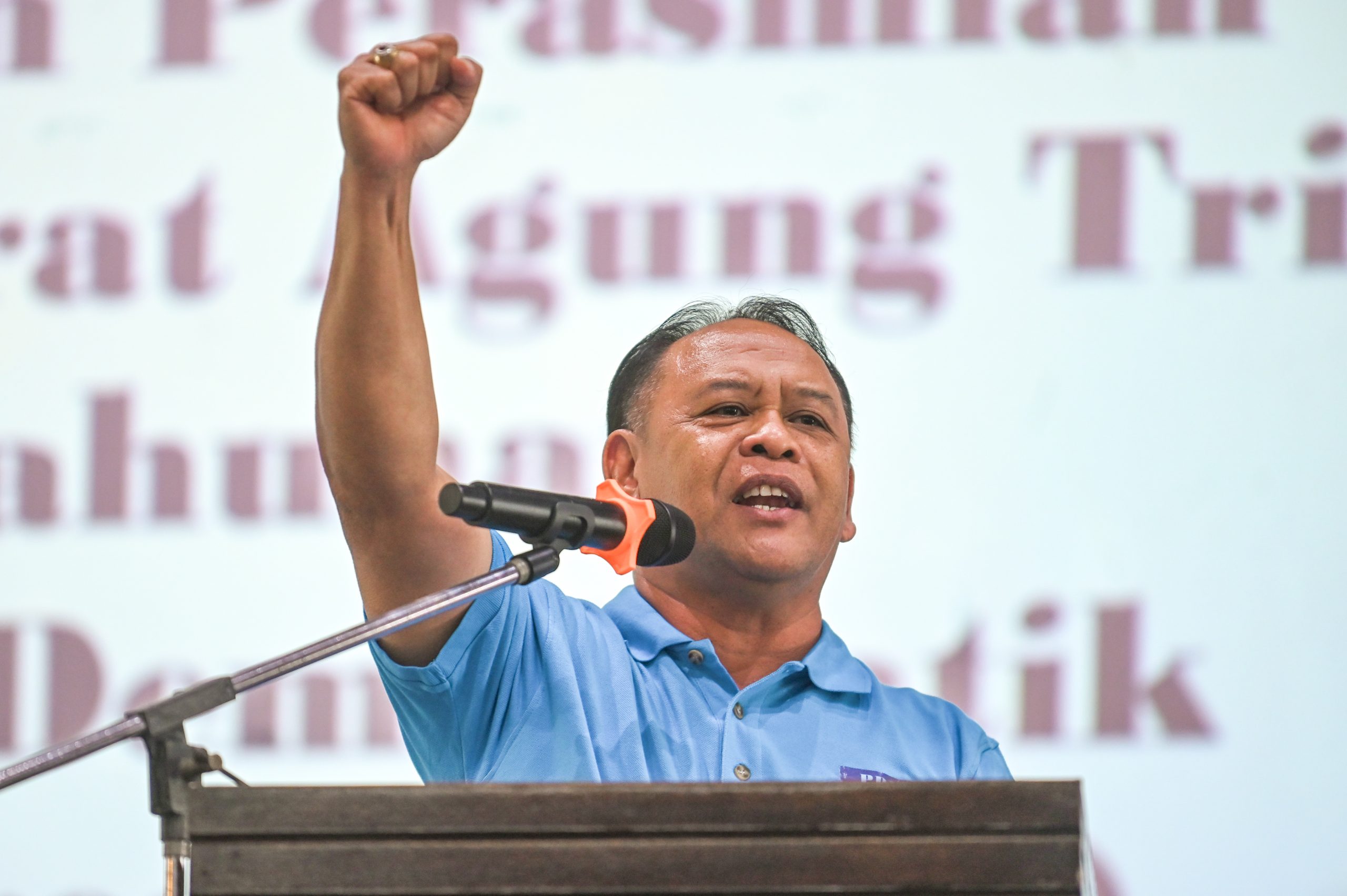
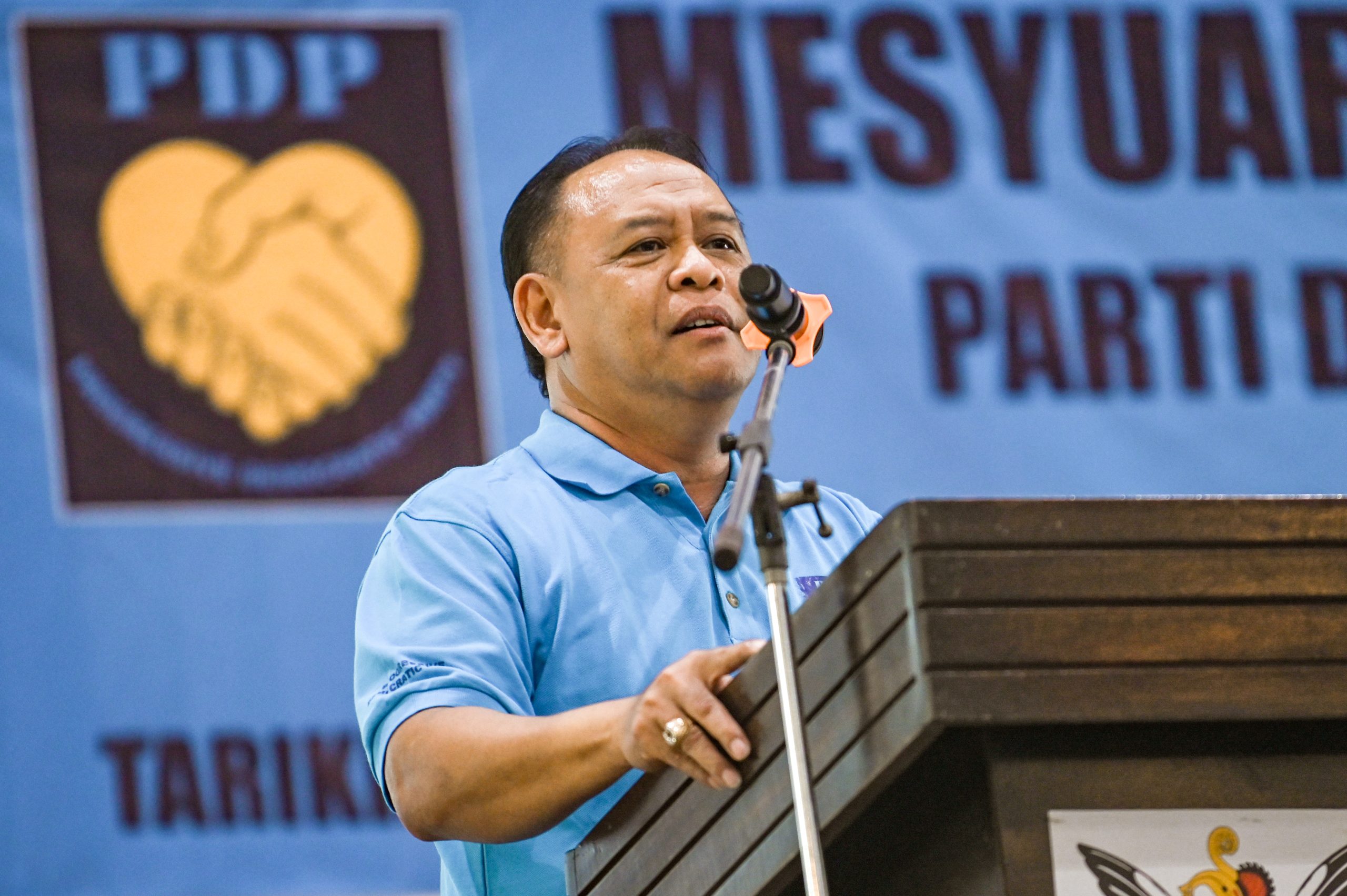
Independent Council of Natives (ICON) founder, Bill Jugah, said that while the government aims to strengthen tax governance, reduce revenue leakage, and streamline business operations, the initiative’s success depends heavily on human capital.
“Final-year accounting undergraduates represent the next generation of finance professionals. Yet, too often graduate with theoretical knowledge but no real exposure to the systems, APIs and workflows of e-Invoicing.
“If these graduates enter the workforce unprepared, the compliance burden on businesses, especially SMEs, and on the tax authority will grow substantially.
“More errors, slower refunds, higher admin costs, lower compliance rates. This is where policy must match ambition,” he told Sarawak Tribune today.
To address this, Bill proposed three key steps, namely launch a national joint training programme, embed practicums into academic curricula, and provide infrastructure and support for training and SMEs.
“Through the launch of a national joint training programme in partnership with the Ministry of Finance, the Inland Revenue Board of Malaysia (IRBM), higher education institutions and professional accounting bodies, the programme will be a short, intensive boot camp for final-year accounting students,” he said.
“Participants would receive hands-on exposure to e-Invoicing issuance, submission, error-handling and integration with ERP (Enterprise Resource Planning)/POS (Point of Sale) systems.”
He also called for universities and colleges to embed practicums and short internships with SMEs, cloud accounting vendors or tax clinics, allowing students to issue real or sandbox invoices under supervision and gain certification before graduation.
“This ensures they don’t enter the workforce as ‘bookkeepers’ who need retraining – they arrive ready,” Bill said.
He added that grants should fund university labs mimicking real-world accounting ecosystems, plus subsidised test-accounts for SMEs to adopt e-Invoicing early.
“A public-private helpdesk and roadshow across the state can assist new accountants and smaller enterprises with registration, API testing and compliance issues,” he opined.
Bill said that these recommendations deliver multiple wins as they align with Budget 2026’s goals of digitisation and enhanced governance, strengthen the nation’s workforce readiness, reduce future tax administration burdens, and help SMEs transition smoothly rather than stumble.
“To ensure accountability, I propose measurable KPIs that by July 2026, at least 80 per cent of final-year students in accounting should complete the training programme, similarly, a set percentage of SMEs should have attended the helpdesk or roadshow,” he added.
“Enforcement phases should recognise these training outcomes. For example, granting relief to firms in regions where student-training certification is below target.”
In short, he added that Malaysia can meet its digital tax-compliance ambitions and maintain its reputation as one of Southeast Asia’s most business-friendly jurisdictions if the next generation of accountants is trained today.
“Let us prepare now so that when e-Invoicing becomes mandatory, it is not merely a compliance exercise but a confident leap into a smarter, cleaner, more efficient tax ecosystem,” he concluded.