KUCHING: The real impact of the Covid-19 pandemic on Sarawak’s manufacturing sector may only be seen in the next few months towards the end of the year, opined Sarawak Manufacturers Association (SMA) secretary-general Stephen Hii.
He said while numerous factories were still operating, some were closing down – depending on the type of industry.
He was of the view that the building material-related industry was experiencing problems, as the current shortage of workers in the construction sector had led to reduced activity.
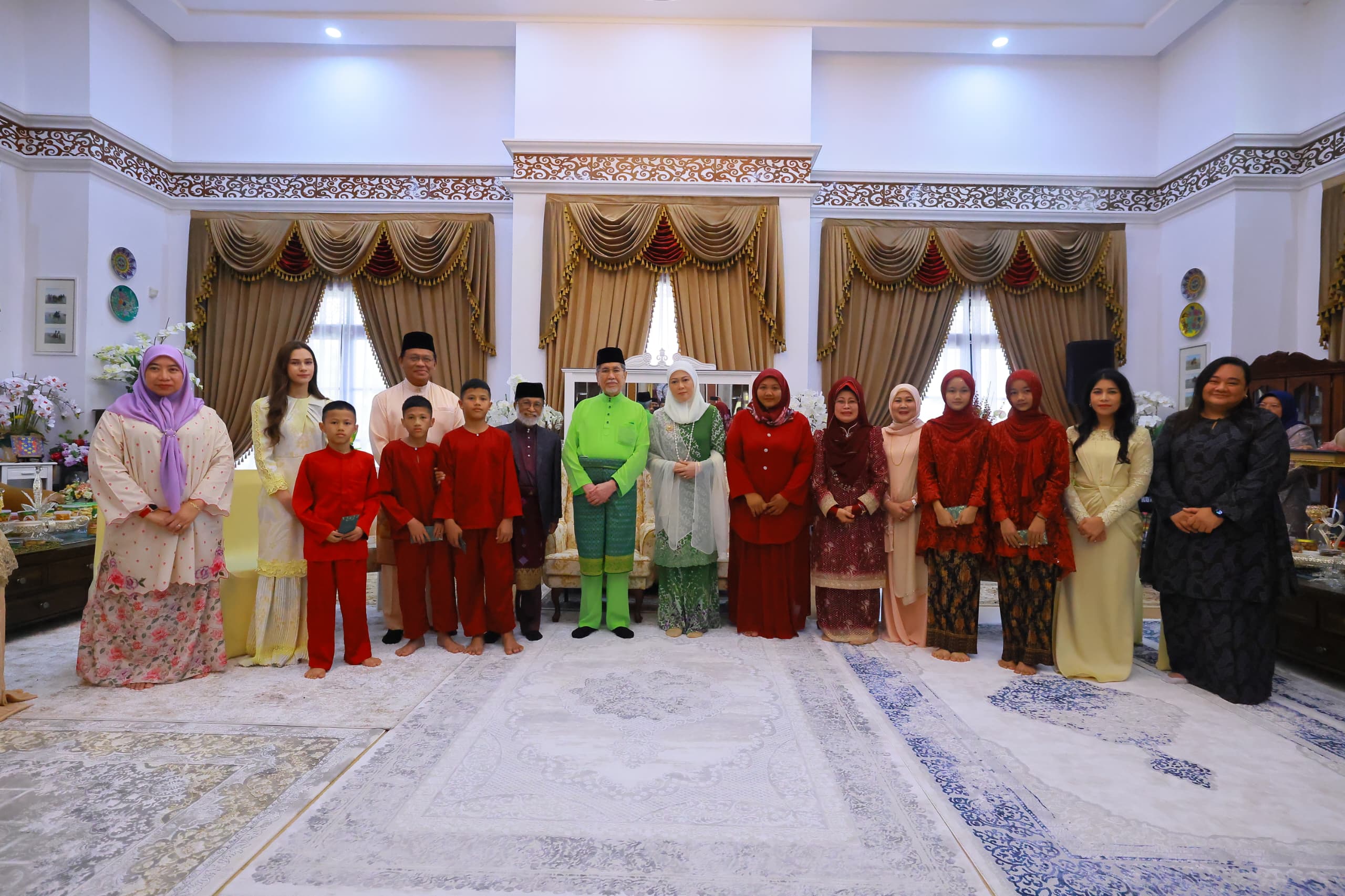
“Thus, manufacturing has slowed down for a lot of these building material suppliers, for example the timber industry suppliers,” he said when met by reporters after SMA paid a courtesy call on Consul-General of the Republic of Indonesia in Kuching, Yonny Tri Prayitno, at the Consulate General of the Republic of Indonesia’s Office here today.
He believed that many of these manufacturers were facing financial problems as there was a lot of stock in hand but at moment it would be difficult to sell the stock.
“As there is a lot of stock in hand, cash turnover will slow down.
“During this post Covid-19 phase, the problems facing manufacturers are more serious and can be seen more clearly.”
He said the food manufacturing industry had also experienced a drop in sales as there seemed to be a shift in human behaviour towards healthier lifestyles following the Covid-19 pandemic.
According to him, people seemed to purchase less snack food products. Instead, sectors such as organic farming were gaining in popularity.
However, he said sectors which appeared to continue operating well were packaging and electrical-related companies such as those in Samalaju and Samajaya.
“Those which sub-contractors are producing by-products for such companies are still moving well,” he said, pointing out that production was mainly for export.
On the whole, he said that newly established companies were likely to struggle more during these difficult times while those with a longer history and sufficient cash funding would have a better chance of sustaining themselves through this period.
Meanwhile, Hii noted that the federal government had provided assistance for the manufacturing sector, but few Sarawak manufacturers had managed to obtain this.
“Comparing Sarawak manufacturers with those in West Malaysia, our scale is not as good and our sales are not as huge as theirs.”
He said the state government had also provided assistance such as interest-free loans for small and medium enterprises, but few manufacturers had had their loan approved by Bank Negara.