STRENGTHENING basic infrastructure, expanding access to healthcare and education, improving digital connectivity, and addressing the needs of the rural poor should remain among the Sarawak government’s top priorities over the next decade to ensure no community is left behind in the state’s development journey.
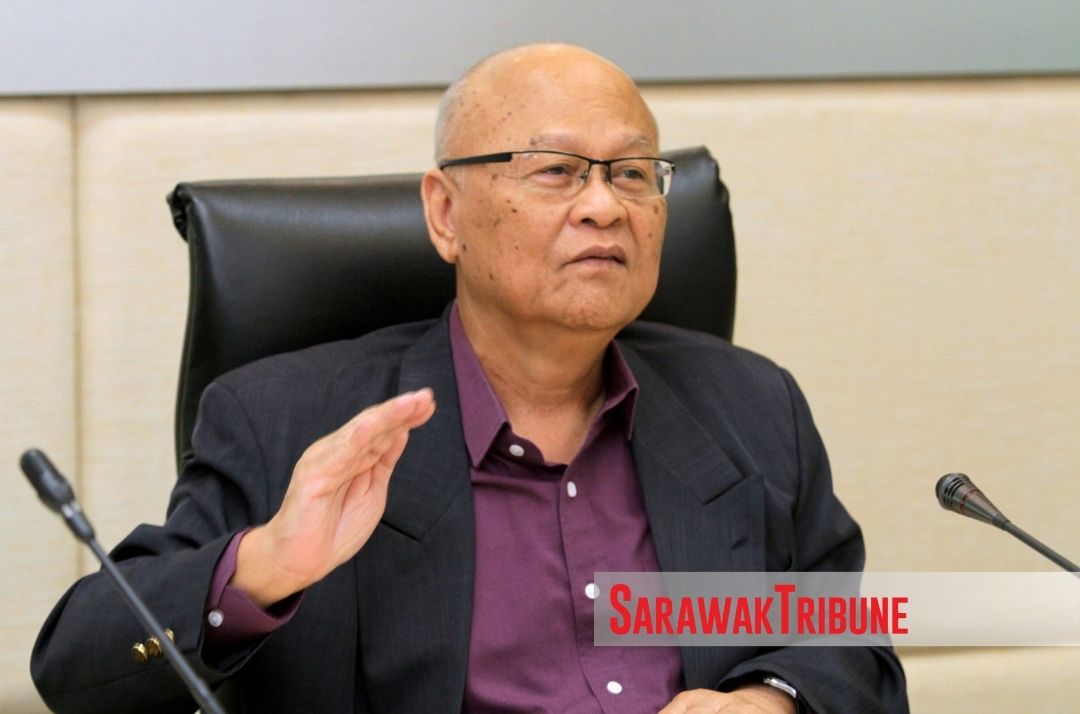
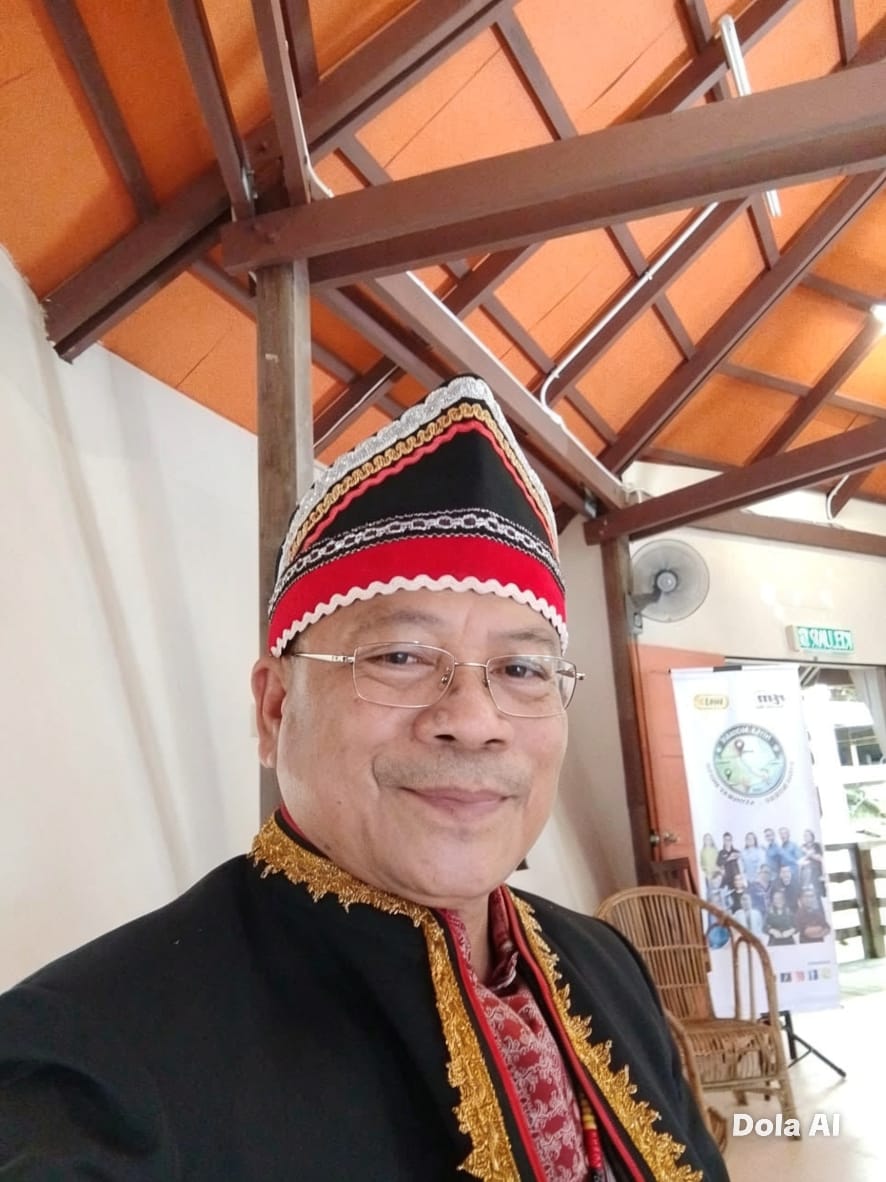
Speaking to Sarawak Tribune, Temenggong Masyarakat Bidayuh Kuching Division, Temenggong Atok Derop, said community leaders continue to receive numerous requests from villagers for improvements that directly affect their quality of life, particularly in education, skills development and essential public services.
“As the Chief Community Leader and a Temenggong for the Bidayuh community in Kuching Division, there are always demands and requests from our community that need to be addressed and upgraded from time to time, especially in literacy and expertise in all aspects of our daily lives,” he said.
Atok said that while Sarawak has made significant progress, many rural communities still face challenges in accessing opportunities that urban areas often take for granted.
He stressed that improving infrastructure must remain a key priority, particularly through better roads, bridges and reliable transport links to connect villages with nearby towns and markets.
“Many rural areas remain isolated, limiting access to services and economic opportunities. Good connectivity is fundamental to improving people’s livelihoods,” he said.
Beyond transport infrastructure, Atok said rural communities also need greater access to quality healthcare through more rural clinics, mobile medical units, adequate supplies of medicine and trained healthcare personnel.
He also called for continued investment in education by upgrading rural schools, strengthening teacher training and expanding scholarship opportunities to enable more rural students to pursue higher education.
Another pressing issue, he said, is narrowing the digital divide by providing affordable and reliable internet access, which would enable e-learning, telemedicine, online businesses and easier access to government services.
At the same time, Atok said creating sustainable employment opportunities through agriculture, eco-tourism and small businesses would allow more rural residents to build better livelihoods without having to leave their communities.
He added that stronger digital connectivity would allow villagers to market local products online, while expanded healthcare outreach through mobile clinics and telemedicine could help reduce preventable illnesses.
Atok also emphasised the importance of vocational education, saying training in carpentry, mechanics, information technology and modern agriculture would equip young people with practical skills to remain and succeed in their hometowns.
Looking ahead, he believes rural communities should capitalise on emerging opportunities in eco-tourism by promoting Bidayuh culture, traditions and natural heritage, while embracing agro-based industries through modern farming techniques, food processing and cooperative development.
He also encouraged greater participation in digital entrepreneurship, saying online platforms can open new opportunities for business, education and innovation.
Despite embracing modernisation, Atok stressed that preserving the Bidayuh language, customs and cultural heritage remains equally important to ensure future generations retain a strong sense of identity.
“My hope is that the next generation will be educated, healthy, digitally connected and proud of who they are,” he said.
Atok said achieving inclusive development will require closer collaboration between community leaders and the government.
He said grassroots leaders, including the Village Development and Security Committees (JKKK), must continue voicing local concerns while ensuring accountability within their communities.
At the same time, he urged the government to actively consult rural communities when formulating policies instead of adopting a top-down approach.
He proposed strengthening joint committees and providing JKKK members with training in participatory budgeting and village-level development planning to ensure community priorities are reflected in government programmes.
Atok also highlighted the growing need to address rural poverty, particularly among elderly residents who live alone without family support.
He suggested that the government consider building more old folks’ homes to provide proper healthcare, accommodation and social support for senior citizens who are childless or without caregivers.
“Development should ensure that every generation is cared for, especially the elderly who have contributed to building our communities,” he said.