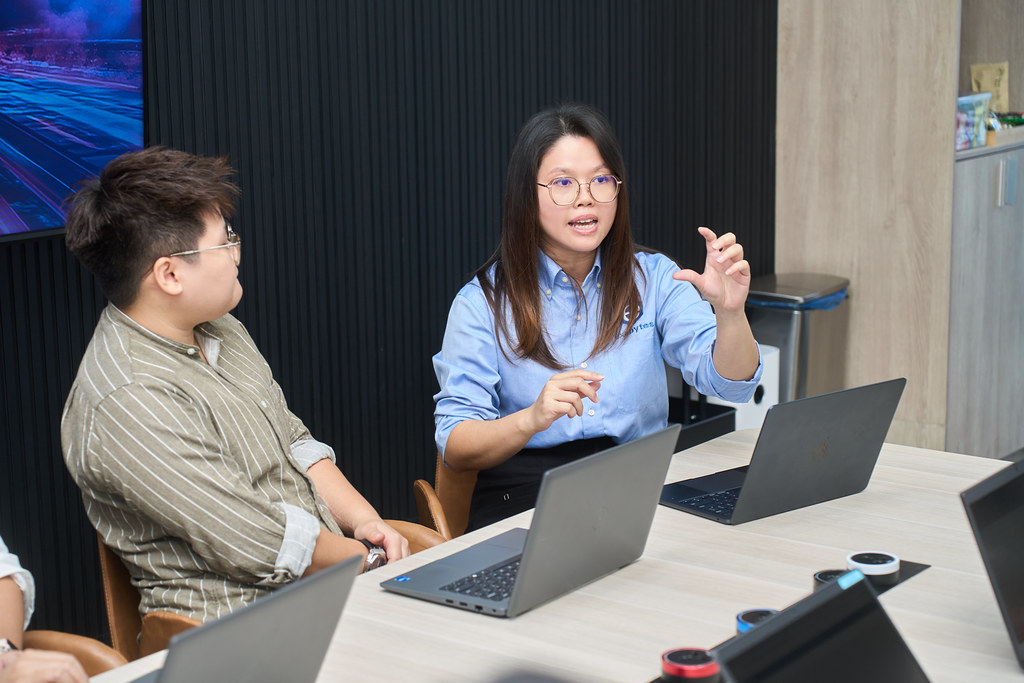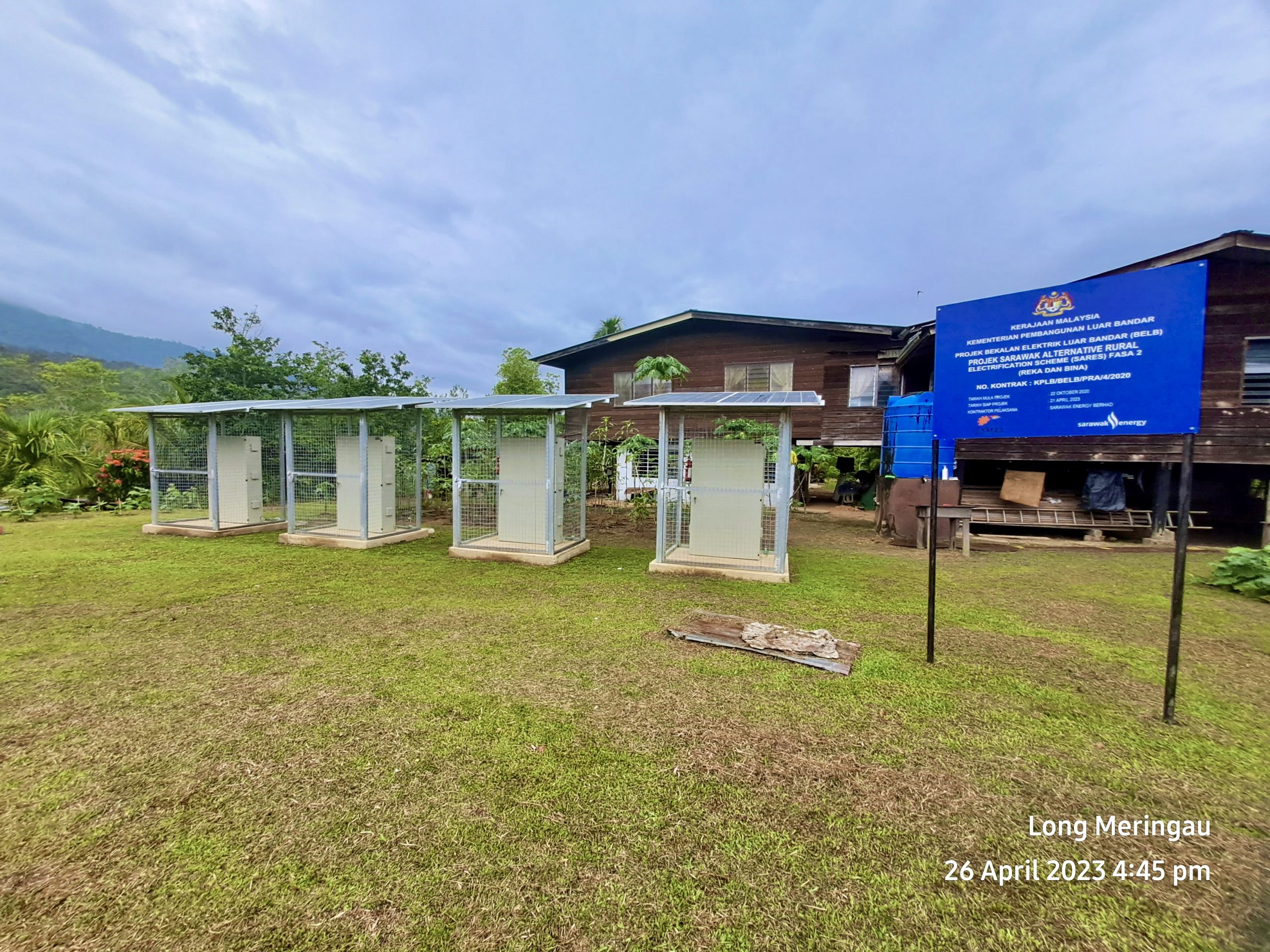
In Sarawak’s longhouses and households alike, clean energy is quietly becoming part of daily life, offering practical solutions where access to reliable electricity once took time and effort.
Where clean energy meets everyday life in Sarawak
FOR many Malaysians, conversations about energy start and end with one practical worry: the electricity bill.
It’s a familiar story in homes where lights, fans and air conditioners are part of daily life – and where usage choices are quietly shaped by both comfort and cost.
But some changes are beginning not at the bill itself, but at its source. Clean energy – from solar panels on rooftops to community power stations in remote villages – is no longer just a policy phrase.
It quietly powers parts of Sarawak, bringing reliable electricity and new rhythms to places long untouched by the main grid.
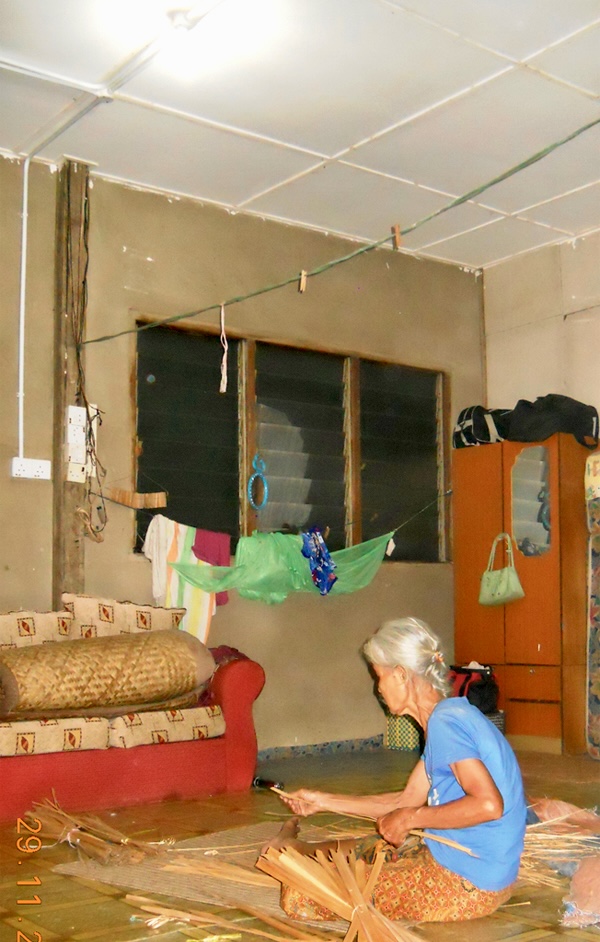
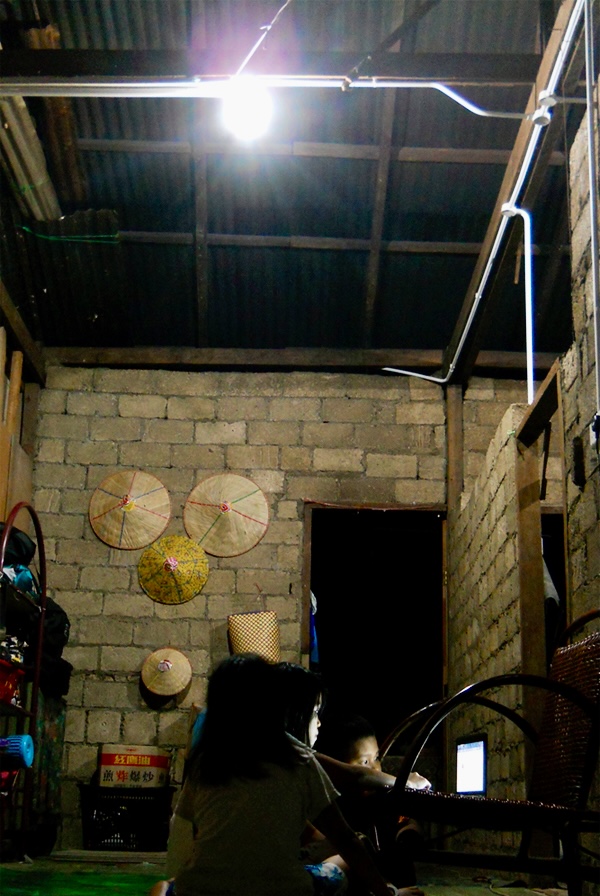
In these communities, evenings feel different. Lights stay on longer, fans hum steadily through humid nights, and children can finish homework under a warm glow rather than squinting under a single kerosene lamp.
Clean energy is doing more than powering appliances; it is shaping the everyday moments of life.
Solar power beyond the cities
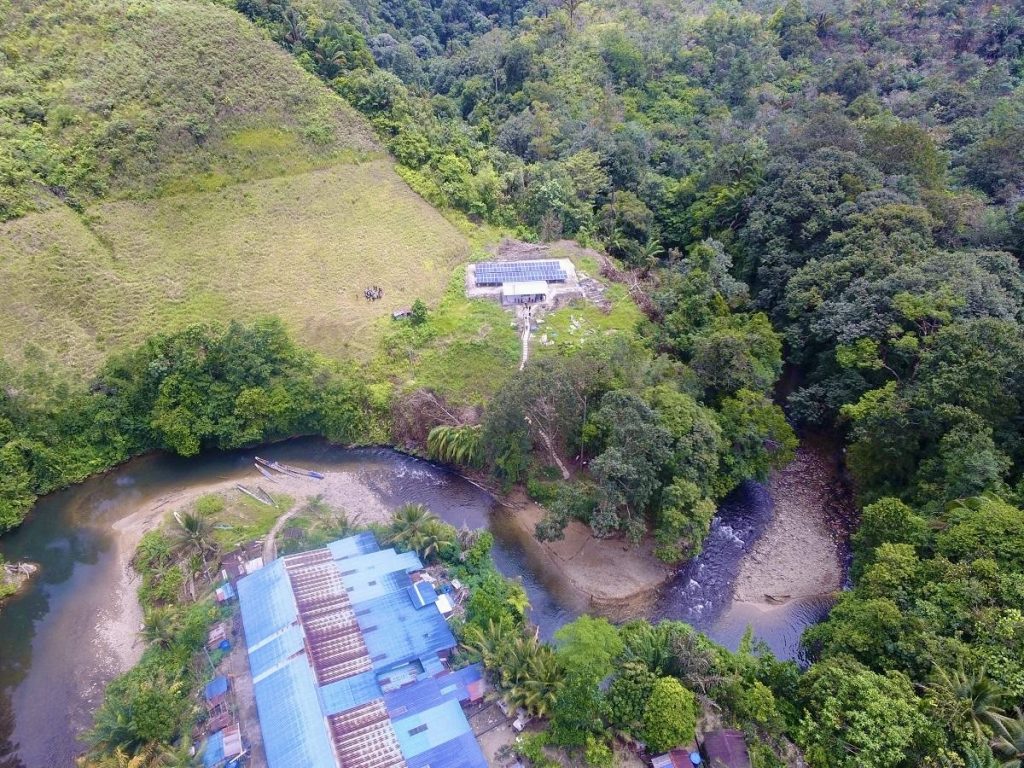
Sarawak’s terrain makes extending traditional electrical lines a challenge.
Dense forests, winding rivers, and isolated settlements mean grid connections can be expensive and slow to implement. Instead of waiting, some communities have turned to a more accessible alternative: solar energy.
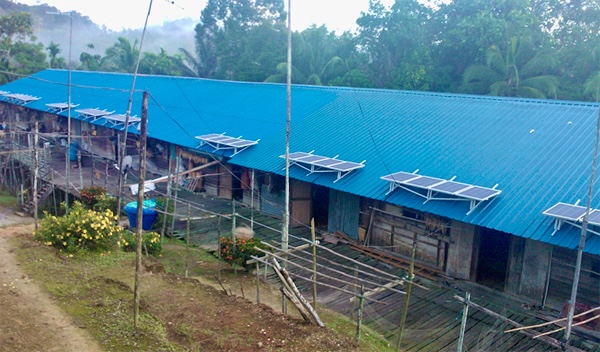
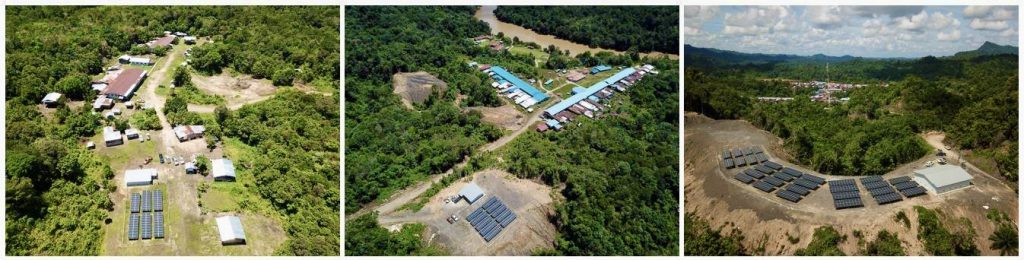
Under the Sarawak Alternative Rural Electrification Scheme (SARES), villages in some of the state’s most remote areas now receive standalone solar systems designed to provide households with continuous electricity where grid connection is not yet feasible.
The scheme, a government-community partnership implemented by Sarawak Energy, has brought 24-hour renewable electricity to over 15,000 families in more than 500 villages across Sarawak.
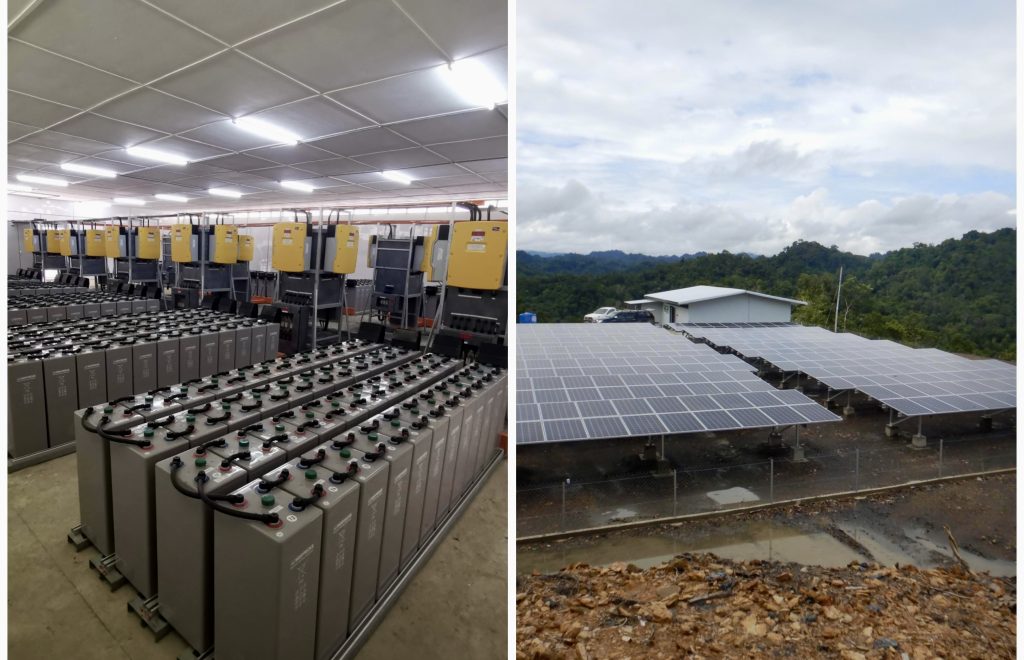
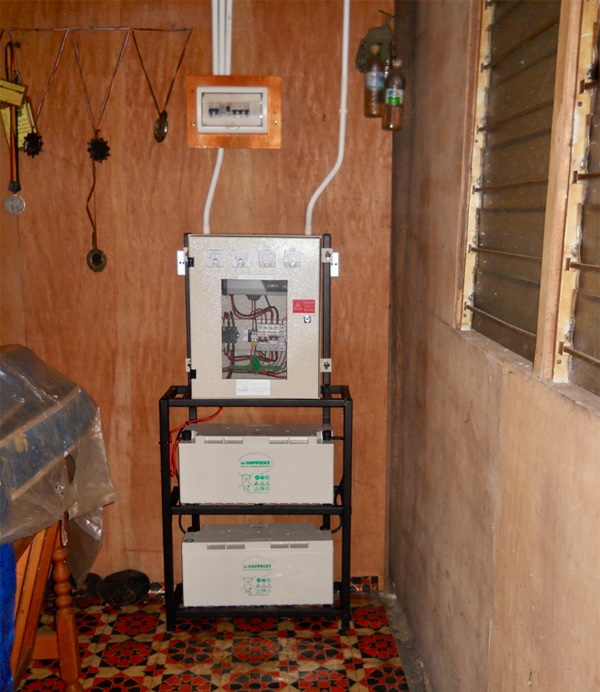
Each solar installation – whether a Solar Home System (SHS) for an individual house or a Centralised Solar Power System (CSPS) feeding multiple homes – is sized to provide up to 1kW per household, enough to run basic lighting, fans, televisions, and small appliances.
Batteries store surplus energy and keep systems running even on cloudy days, ensuring reliable power day and night.
These installations may not support heavy appliances like large freezers or air conditioners, but they bring a subtle transformation.
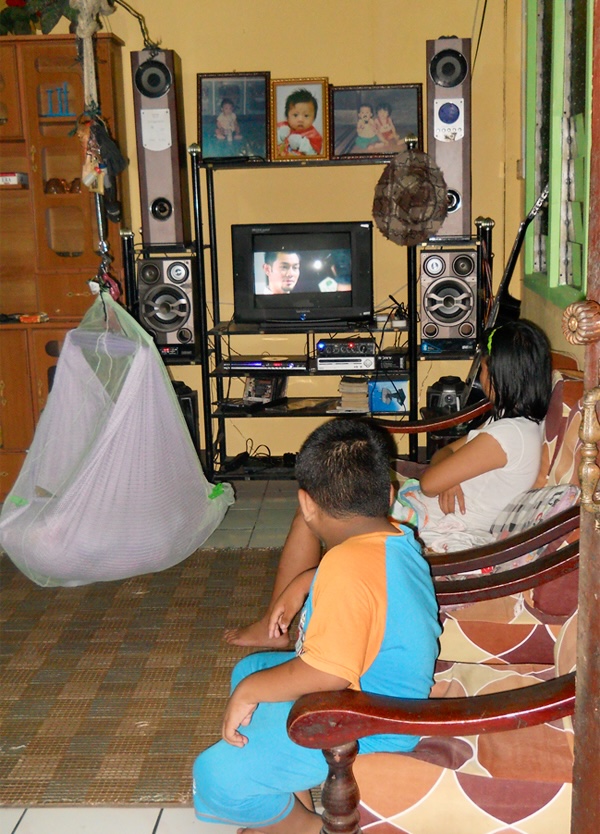
Children can study under steady light long after sunset, families can enjoy evening meals without worrying about dark corners, and fans make sweltering afternoons more bearable.
From diesel to solar
Before solar arrived in places like Batang Ai, many villagers relied on diesel generators – noisy, costly and dependent on regular fuel deliveries.
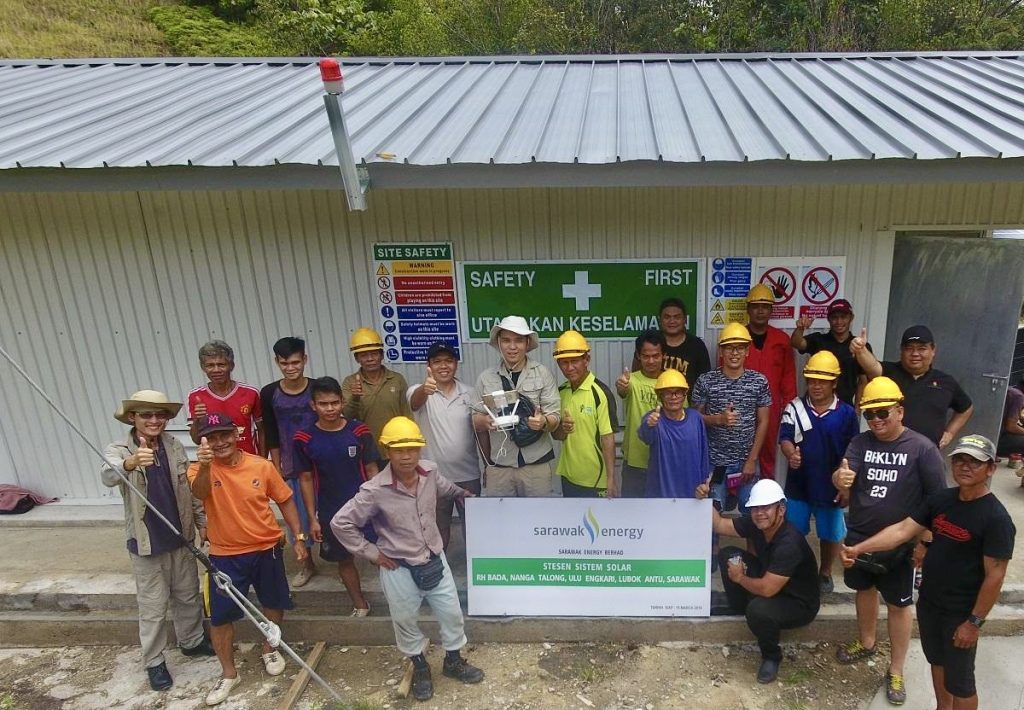
At Rumah Bada in Batang Ai, families once spent an average of RM260 to RM300 each month just to keep the lights on.
Fuel had to be ordered, transported by river, and stored carefully. Nights were often punctuated by the rumble of generators starting up – a necessary but disruptive sound.
Today, solar panels installed under a Sarawak Energy initiative provide continuous electricity without the same ongoing costs.
Projects like these are more than technical fixes; they ease daily concerns. Children can read books under bright lights, families can watch television together in the evening, and small community events no longer hinge on hauling generators to life.
These shifts carry lifestyle implications. They change how people organise their days, how students manage homework time, and how households budget for energy.
Clean energy is not just about reducing emissions or meeting national targets — for many, it is about reliability, predictability, and ease, making everyday routines smoother and more comfortable.
Community-driven energy solutions
One distinguishing feature of Sarawak’s rural clean energy story is how communities have been involved from the outset. Rather than seeing solar installations as something dropped into a village, local residents participate in logistics, maintenance training, and daily operation.
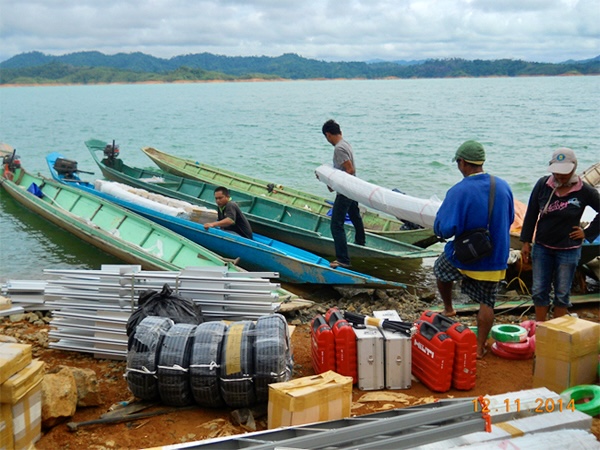
In multiple longhouses around Batang Ai, villagers carried solar panels and batteries from river jetties to their roofs, assisted in installation, and learned how to maintain their systems.
There is quiet pride in this work: the panels above their homes are not just metal and wires, but a product of collective effort and care.
This engagement does more than build technical capacity – it builds ownership. When people understand how their systems work and can troubleshoot routine matters, clean energy becomes part of everyday life, not a black-box technology.
Children see it as normal, adults see it as reliable, and the community begins to organise routines around the steady hum of solar power.
Over the years, the impact has steadily grown. In areas like Tatau, 125 households across eight longhouses were connected through solar power, while in other parts of Sarawak, dozens of remote longhouses now enjoy regular electricity thanks to off-grid solutions.
The goal is not to replace grid electricity everywhere, but to bridge gaps where extending traditional infrastructure takes time.
In recent years, the state government has continued to combine grid expansion with hybrid solar solutions to move closer to full electrification, ensuring no remote communities are left behind.
Everyday impact on Sarawakians
For many readers, solar energy might still feel distant – something relevant only for environmental policy or tech headlines.
But in Sarawak’s longhouses and off-grid villages, clean energy is already part of daily life: powering lights that stay on after sunset, fans that hum through heatwaves, and devices that support education and entertainment in ways previously impossible without diesel.
Even small gestures reflect the human side of clean energy: a mother no longer needing to worry if her children can finish homework by lamplight, a teacher projecting lessons with a small solar-powered projector, or villagers gathering for evening meetings without a generator drowning out conversation.
These “small changes” quietly shape routines, comforts, and community interactions.
Across the state, these shifts are rooted in practical needs, not headlines. They reflect a broader move toward energy that feels reliable, affordable over time, and grounded in local contexts.
It is not about dramatic infrastructure projects alone; it is about how clean energy subtly reshapes routines and opens new possibilities, one household at a time.