KUCHING: Sarawak’s major investments in free tertiary education and expanded TVET funding are expected to reshape the state’s long-term labour productivity as the economy shifts toward higher-value sectors.
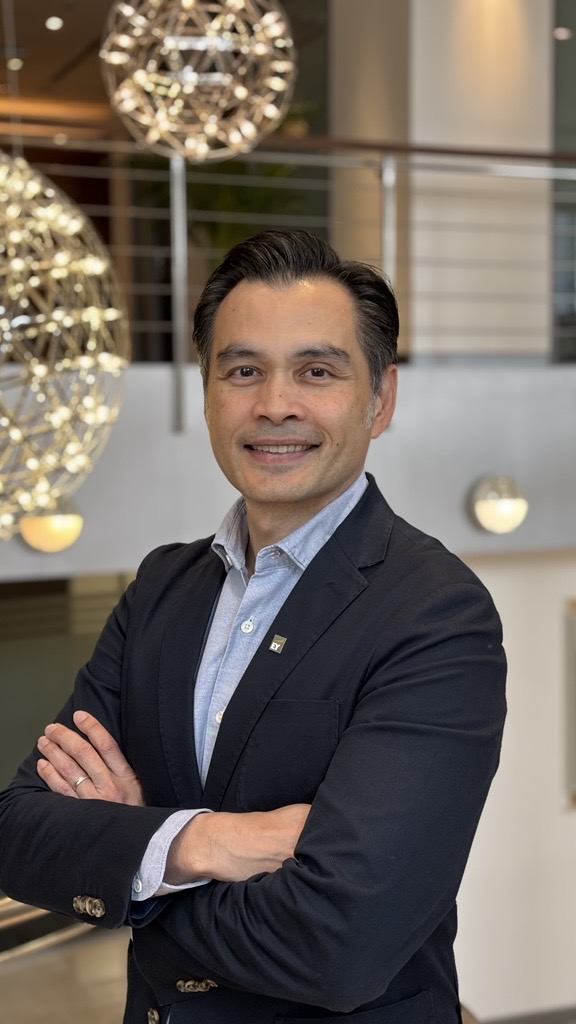
Ernst & Young Consulting Sdn Bhd Partner, People Consulting, Anil Shivadas, said the initiatives showed the state’s clear commitment to future-proofing its workforce for sectors such as healthcare, energy and the digital economy.
He added that the combined measures helped address the persistent skills mismatch among fresh graduates by equipping them with qualifications and competencies that matched industry needs.
“In addition to the programmes offered by higher education and technical training institutions, internship programmes play an important role in providing real-world experience, allowing young graduates to apply what they have learnt,” he told Sarawak Tribune.
He also pointed to the Graduate Enhancement Training Sarawak (GETS) initiative, announced under the 2026 Budget, as an important addition to the state’s talent strategy.
“GETS aims to upskill graduates in soft skills, leadership and team building. Pulling all these initiatives together helps to shorten the learning curve of graduates who enter the workforce and improve long-term labour productivity.
“The impact of these initiatives goes beyond labour productivity improvement, as it also helps with retaining talent within Sarawak and builds a sustainable talent pipeline to support the growth of key sectors in the long term,” he said.
On aligning workforce skills with emerging sectors, Anil said close collaboration among government, industry, academia and training providers remained essential.
“Industry plays a pivotal role in understanding sectoral trends to determine the types of jobs and skills required by their sector, while academia and training providers need to support the industry by producing graduates with the right qualifications and skills demanded,” he said.
He added that strategic partnerships between local and global companies, as well as between industry and academia, were crucial for building local talent in new growth areas.
He said establishing sectoral skills or talent councils would also help coordinate efforts among the four stakeholder groups and drive a clearer talent agenda for the state.
“Stronger use of data on jobs and skills in Sarawak would support better-informed decisions and more accurate strategies to guide current and future workforce planning,” he said.