KOTA SAMARAHAN: The teaching and learning (PdP) of Islamic education and the Arabic language must move in tandem with global changes driven by digital technology, including artificial intelligence and 21st-century skills.
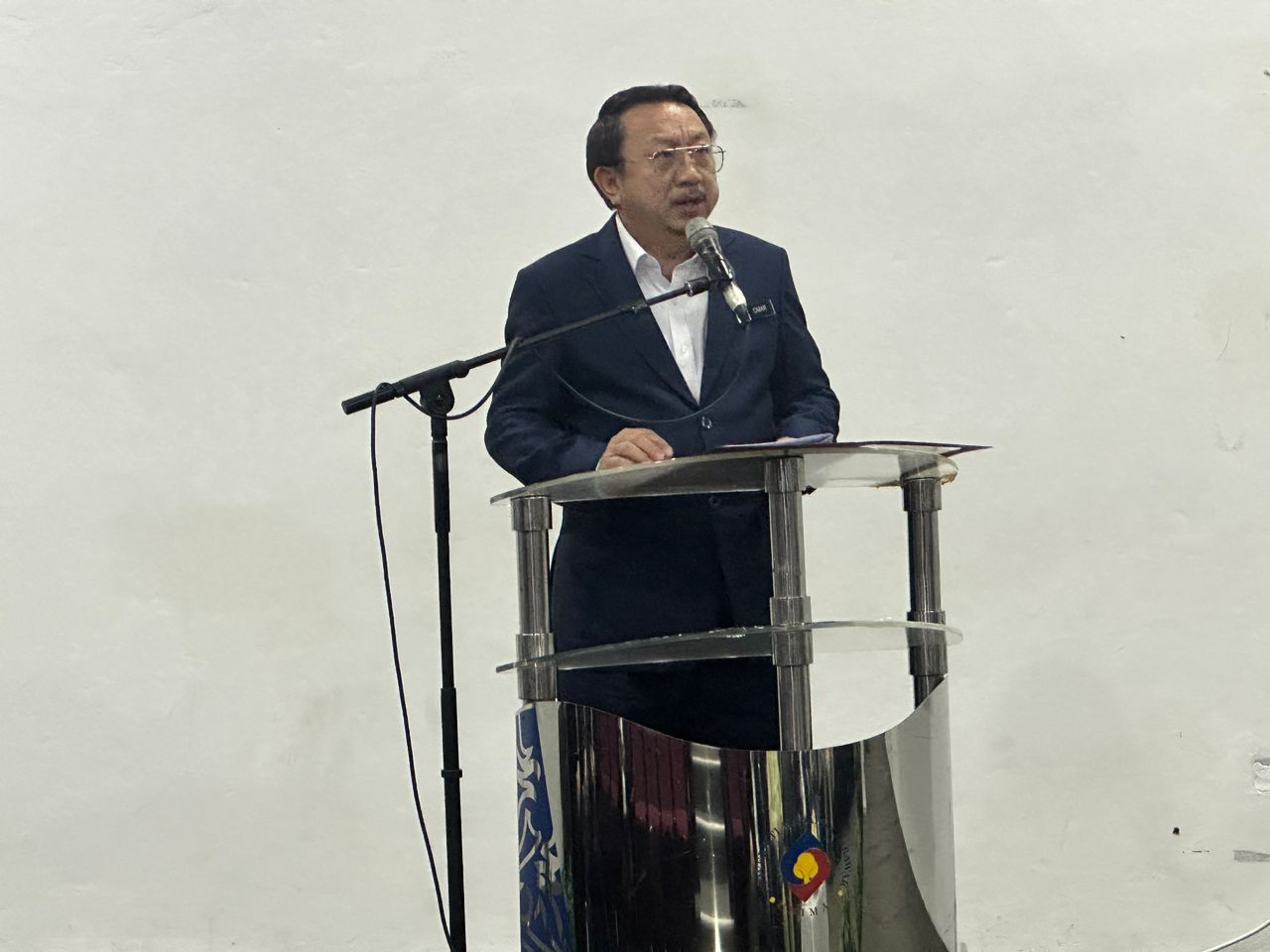
Sarawak Education Director, Omar Mahli, said the education sector is currently facing rapid transformation, and as such, both subjects cannot afford to be left behind in this wave of change.
“We want both subjects to move in line with today’s educational transformation without neglecting values, ethics, and identity.
“Innovation in Islamic education does not mean altering its principles, but rather strengthening approaches so that knowledge delivery becomes more effective, engaging, and relevant,” he added.
“At the same time, technology, creative pedagogy, and authentic assessment must be utilised wisely to nurture understanding, appreciation, and the practice of Islamic values among students.”
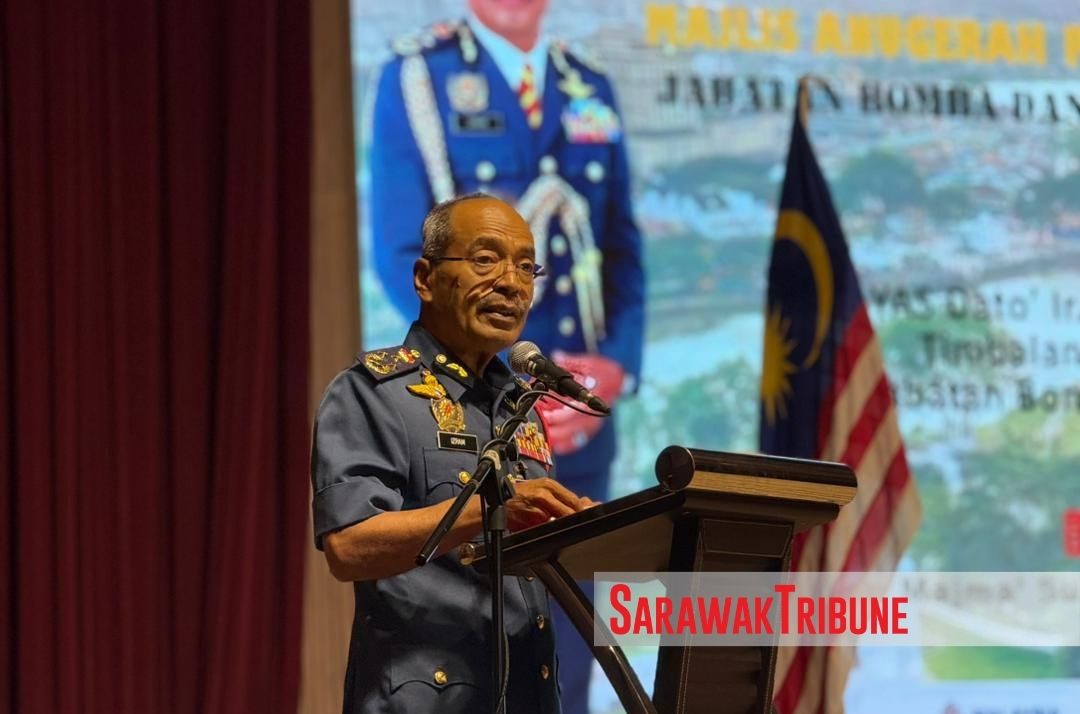
Omar was speaking at the opening ceremony of the Sarawak Islamic Education and Arabic Language Convention (SCIEDAL) 2026 at Pusat Islam Tun Abang Salahuddin (PITAS), Universiti Malaysia Sarawak (Unimas), here today.
In this regard, he expressed confidence that the convention holds significant importance in efforts to strengthen Islamic education and the Arabic language in the state.
“Efforts to enhance the teaching of the Arabic language through innovative and contextual approaches, as discussed in this convention, should be expanded to all levels of education,” Omar said.
He also stressed that his department will continue to support all initiatives aimed at improving the quality of Islamic education and the Arabic language at every level.
“I believe that the quality of education does not change through slogans, but through action, commitment, and the collective efforts of all parties.
“Therefore, what is discussed and shared at SCIEDAL must be translated into real practice, not merely academic discourse,” Omar reiterated.
“Let every presentation, forum, and discussion session serve as a source of inspiration to be implemented in teaching practices at respective schools and institutions.”