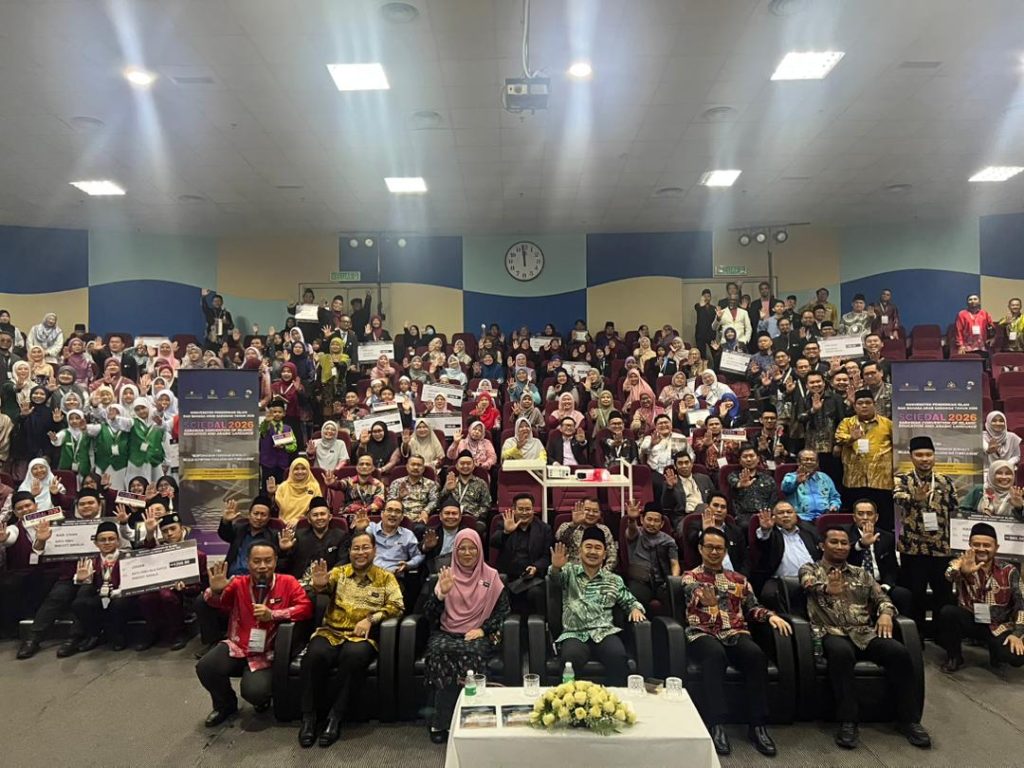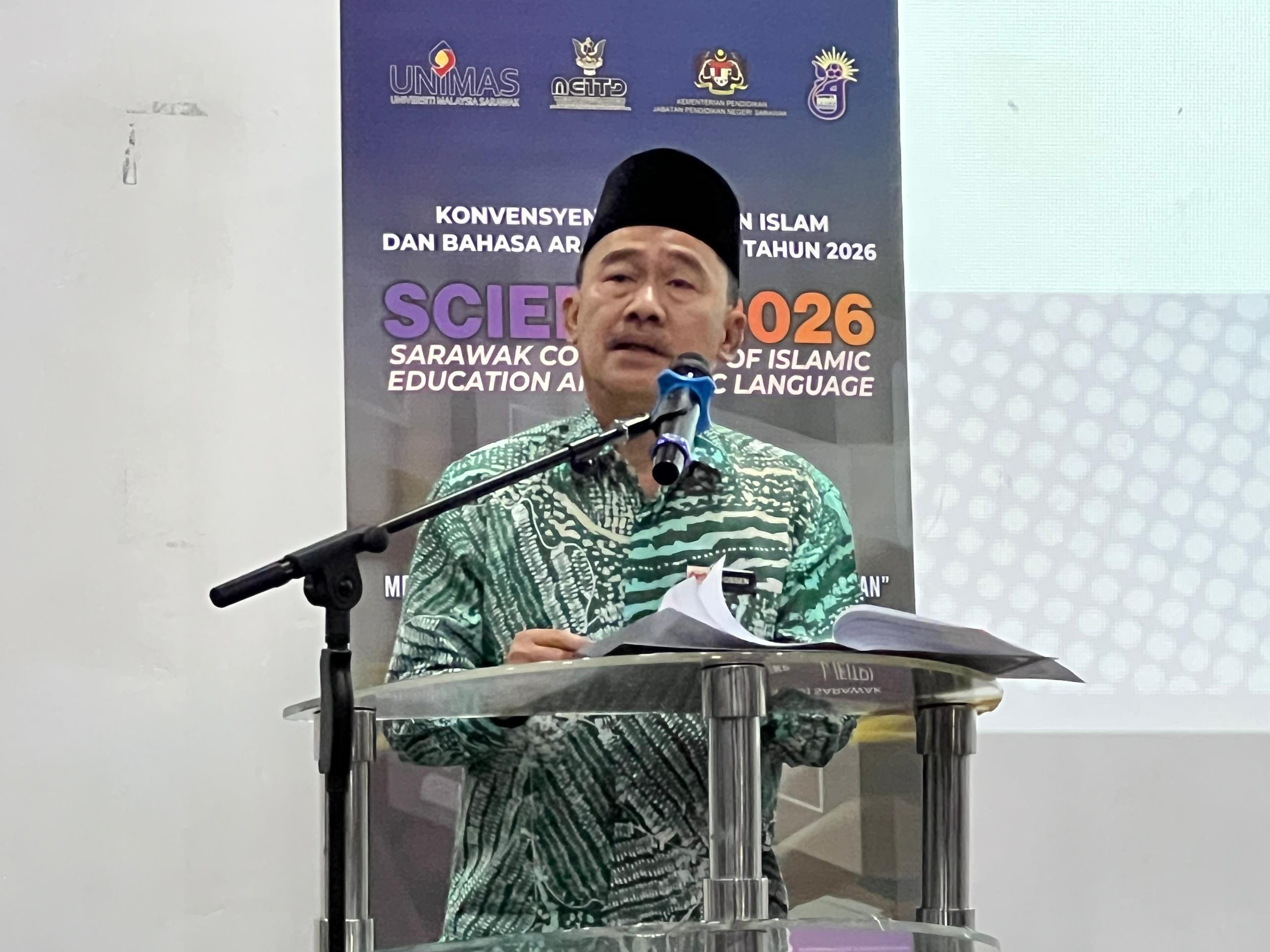
KOTA SAMARAHAN: The Sarawak Convention of Islamic Education and Arabic Language (SCIEDAL) 2026 concluded with a powerful call for Islamic education and Arabic language educators to embrace three core values: being proactive, persuasive and productive.
Hossen Marip, Principal Assistant Director of the Islamic Education Sector, Sarawak State Education Department (JPNS), delivered the closing address at the historic first-time convention held in Sarawak here today.
Speaking to educators and participants from across Malaysia, he emphasised that the innovations and ideas shared during the convention must translate into real classroom practices, not remain theoretical exercises.
“Ideas, benefits and innovations should not stop here. They should be translated into the real practices in the classrooms and educational institutions,”he stated, urging educators to continue their professional development beyond the convention.
Hossen outlined three essential values that educators must embody to meet the challenges of contemporary education which are proactive, persuasive and productive.
“The Islamic education and Arabic language educators must be vigilant when it comes to technological changes, the needs of the students, and the challenges in education,” he said, stressing that a proactive attitude ensures relevance and preparedness in an evolving educational landscape.
Hossen also emphasised building relationships that touch students’ hearts and believing in their inherent nobility and potential.
“We must believe that the students can be educated. The students can be formed. The students are the noble people who can succeed,” he noted, adding that teachers should use empathy and wisdom in their approach.
He then called for measurable quality improvement and innovations that can be expanded across the educational system, ensuring that every programme provides genuine value.
Hossen also forwarded JPNS’ commitment to critical areas in education sector, namely supporting professional development among educators, fostering innovation in education practices, as well as establishing and strengthening Islamic education and Arabic language across the state.
With around 3,000 Islamic education and Arabic language teachers in Sarawak, he expressed confidence that collective effort can achieve transformative results.
“If we work together, we can achieve success and greatness,” he said, announcing plans to continue the convention annually to cultivate an enduring culture of educational excellence.
On educational reform, Hossen emphasised that meaningful change comes through concrete actions, not rhetoric.
“I believe that the policy of education does not change with slogans, but changes through actions, commitment, sincerity, unity, efforts of all parties,” he said.
He called on everyone from educational founders and school leaders to teachers and elected officials to translate the convention’s discussions into practice, warning against allowing valuable insights to become “just academic speeches”.
Hossen articulated a vision for Islamic education and Arabic language that remains “relevant, dynamic and highly impactful in shaping a balanced, civilised generation in terms of intellect, spirituality and spirituality”.
He urged educators to continue practising self-reflection, enhance innovative pedagogy, make wise use of technology and maintain strong values of manners and self-discipline – reminding participants that “we are going to be educated forever”.