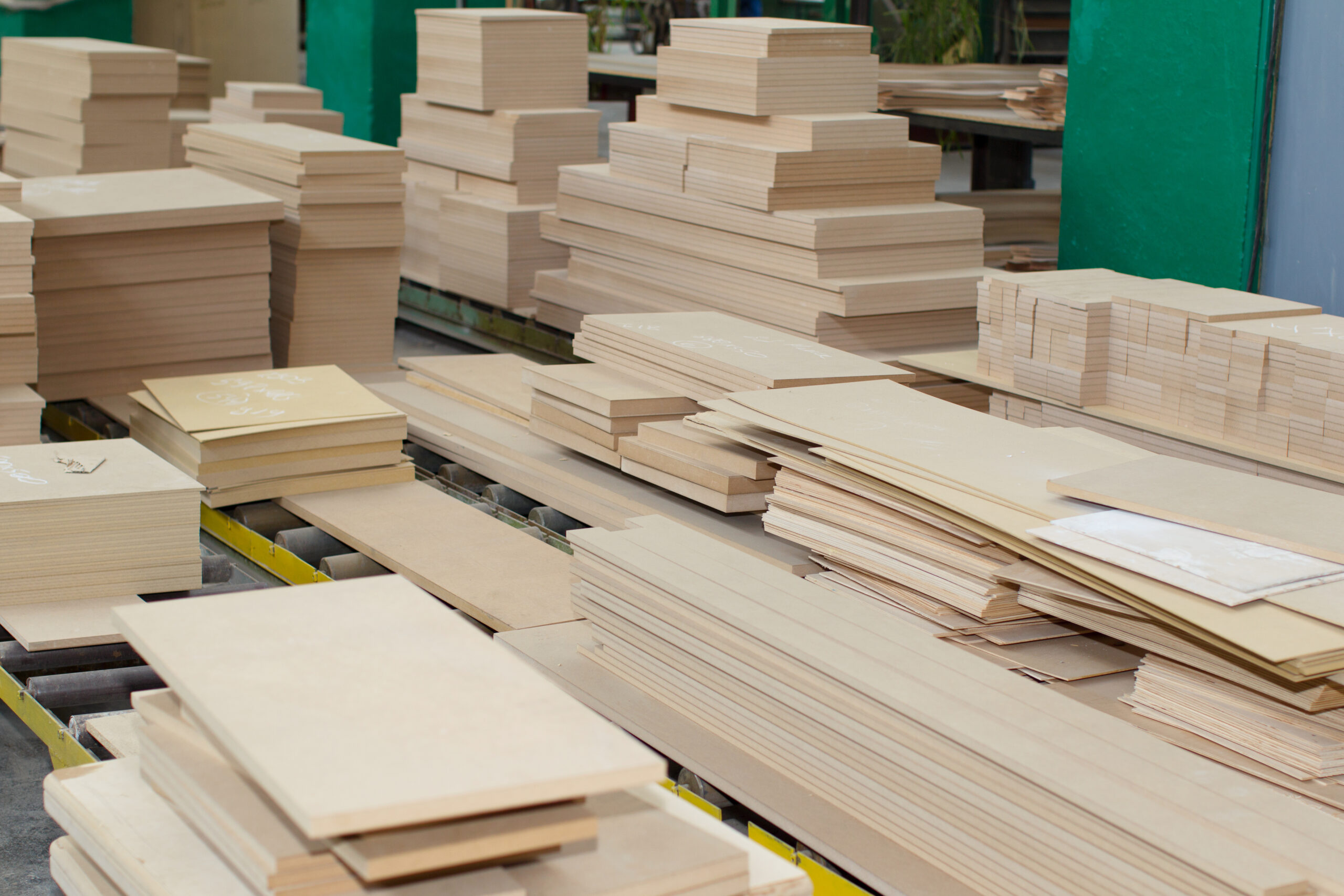
KUCHING: Japan’s tropical plywood importers have observed price increases for 12mm thick plywood from production sources in Malaysia.
At the point of origin, 12mm 3×6 coated formwork plywood is priced at US$600-610, cost and freight (C&F) per cubic metre (cu m); standard formwork plywood is US$500-510, C&F per cu m; and structural plywood is US$510-520, C&F per cu m, according to Japan Lumber Reports (JLR).
Price increases have also been reported for Falcata combination plywood from Indonesia: 2.4mm 3×6 plywood is US$970; 3.7mm 3×6 plywood is US$880; and 5.2mm 3×6 plywood is US$850, all C&F per cu m.
In Japan, the movement of imported South Sea (tropical) plywood has been somewhat sluggish, said JLR. Its bi-monthly report is reproduced in the International Tropical Timber Organisation (ITTO) Tropical Timber Market Report (September 16-30, 2025).
“Despite expectations of rising domestic prices driven by higher source-country prices for mainly 12mm thick products and the weaker yen, buyers continue to make purchases only as needed.
“The price of 12mm 3×6 coated formwork plywood is 1,800-1,850 yen, delivered per sheet. Standard formwork plywood is around 1,550 yen, structural plywood 1,550 yen, 2.5mm plywood 780 yen, 4mm plywood 930 yen, and 5.5mm plywood is 1,100 yen (all delivered per sheet).”
On domestic softwood plywood in Japan, JLR said the market saw particularly sluggish movement towards the end of August.
“Although manufacturers continued to push for price increases in July and August to improve profitability, actual demand remained weak, resulting in flat price trends. Therefore, the price of 12mm 3×6 domestic structural plywood is 1,090-1,100 yen, delivered per sheet.
“Meanwhile, major plywood manufacturers have announced further price increases for September, indicating that they are unwilling to sell below 1,100 yen,” added the report.
In a related development, Japan is revising the Japanese Agricultural Standards (JAS) for wood products, triggered by last year’s scandal involving unauthorised use of the JAS mark.
(JAS is a certification scheme that ensures producers record, keep and disclose relevant product information, and that consumers can access these details if they choose.)
The New Business and Food Industry Department of the Minister’s Secretariat at the Ministry of Agriculture, Forestry and Fisheries will completely prohibit the use of manually stamped JAS marks. The labelling method will be revised to a system that allows usage tracking through inkjet printing or stickers.
Stricter regulations on the application of the JAS mark are scheduled to be discussed at this summer’s JAS Standards Committee meeting, with implementation as early as next summer.
For nine product categories — lumber, glue laminated timber, cross-laminated timber (CLT), laminated veneer lumber (LVL), structural panels, plywood, flooring, 2×4 lumber, and wood pellet fuel — the authorities have called for clearer labelling of business operator information on JAS-certified products, as well as harmonisation of standards (HS) across different specifications.
In cases where the business entity displayed on a JAS-certified product is not a certified operator, such as an importer, it will be mandatory to include the certification number of the relevant certified operator associated with the product.
The labelling of business operator information will be revised, and the methods for indicating grades and other specifications will also be clarified and standardised.
As part of this revision, said JLR, the use of hand-stamped JAS marks will be disallowed, and labelling methods will be replaced with systems that allow usage tracking, such as inkjet printing, laser marking or stickers with quantity control.
Under the revised labelling rules for forest products, all items except raw materials such as plywood and lumber will be subject to the changes. Since glued laminated timber, plywood and lumber have already adopted inkjet printing, trackable roller stamps or sticker-based labelling, they are considered relatively well prepared for the transition.
At this stage, the items of concern include lumber not classified under mechanical grading and single-layer flooring, which are generally produced by small-scale businesses. These operators often face difficulties in seeking funds for new equipment investment, such as inkjet labelling systems.
Since last summer, the ministry has been explaining the basic policy for label revisions to domestic and international registered certification bodies. It also appears to have provided technical briefings during a liaison meeting held in January 2025. Since last December and this January, industry associations related to JAS-certified products were also briefed on the labelling revisions.
The ministry considers that awareness of the changes has been steadily progressing, and it will formally request that registered certification bodies either take responsibility for collecting previously used hand-stamped JAS marks or obtain a certificate of disposal, added JLR.