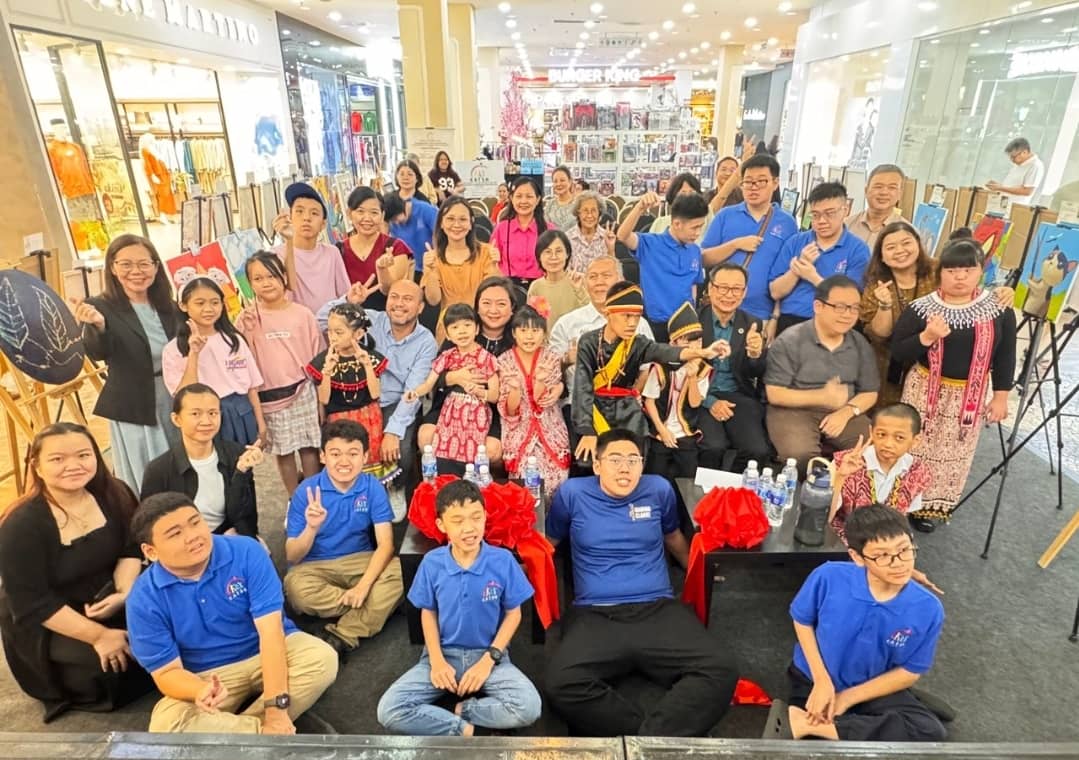
KUCHING: The KATSN Artist Festival 2025 at Merdeka Plaza here celebrated the creativity and resilience of Sarawakians with special needs, while drawing fresh backing from government and corporate partners to widen opportunities in skills training and employment.
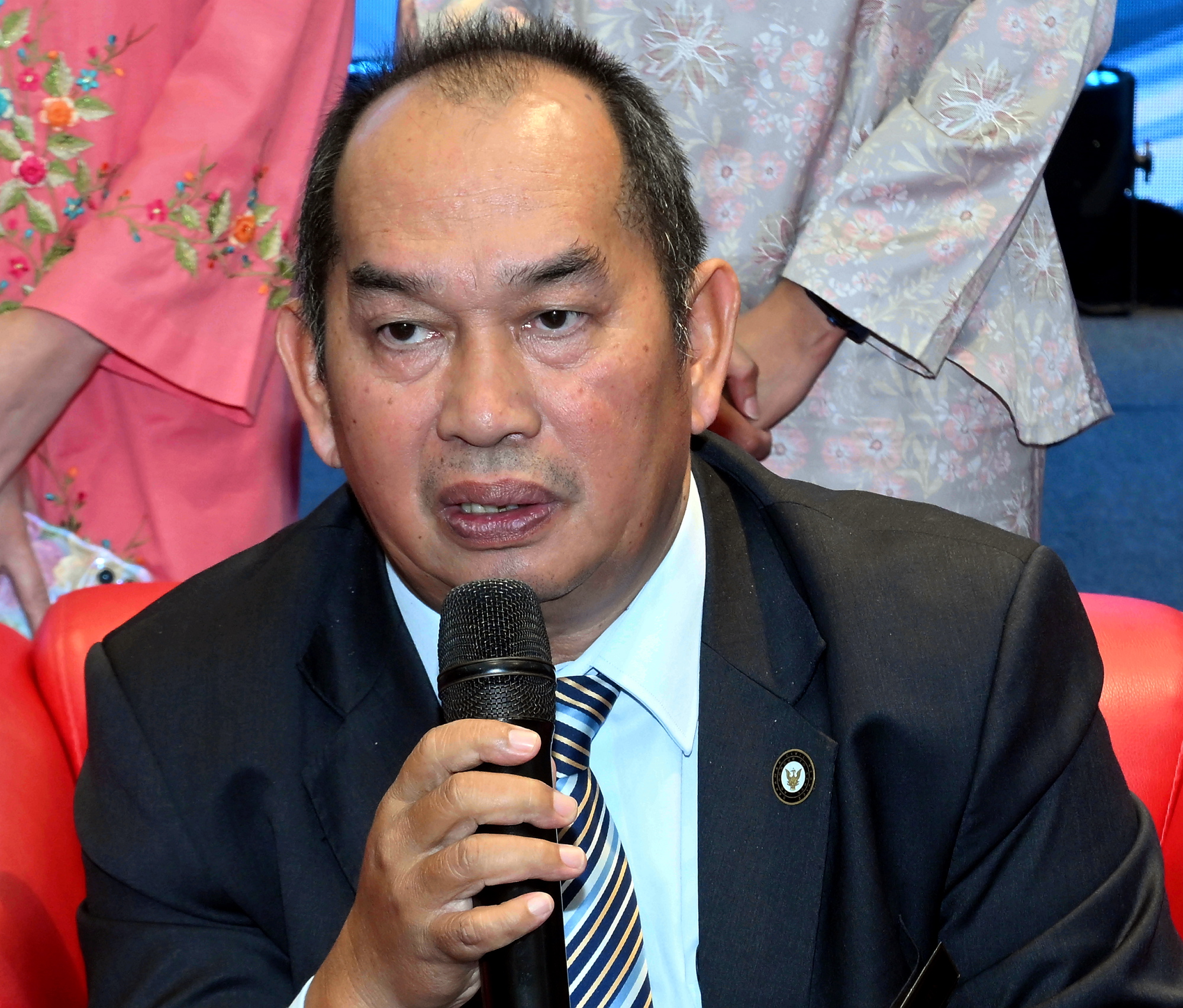
Senator Datuk Ahmad Ibrahim announced a RM10,000 contribution, a timely boost that organisers say will sustain and expand KATSN’s ongoing programmes and community outreach.
“This festival is a platform for empowerment, inclusion and recognition,” said KATSN adviser, Datuk Sim Kiang Chiok.
The annual festival features artworks and performances by children and adults with special needs, alongside demonstrations from KATSN’s living-skills modules, which include painting, baking, tailoring, basket weaving, singing and dancing, and bocce.
Additionally, KATSN provides parent networking and counselling, building a support community for families navigating daily challenges.
“Every painting, performance and creation reflects strength and a unique perspective; talent knows no boundaries,” Sim added.
Corporate social responsibility partners, Datuk Steve Ng and Datin Anriza Wong, were acknowledged for sustained support through ‘The Gifted Artist’ initiative, which enables KATSN artists to exhibit and gain recognition.
The organisers said that private-sector participation is a vital complement to government and NGO efforts, helping to translate visibility into market access, income opportunities, and workplace readiness.
The festival also highlighted skills pipelines developed in collaboration with centres such as the One Stop Early Intervention Centre (OSEIC) and Samarahan Rehabilitation Centre, where children and adults receive training in electrical work, sewing, computing, and hairdressing; skills aimed at promoting independence and employability.
While welcoming the allocations in Budget 2024 for autism and special needs programmes, KATSN urged the government to implement more targeted measures in future budgets, including additional job-training centres, inclusive employment incentives, and enhanced family support resources.
Sim noted that greater attention is needed for young adults ready to enter the workforce, calling for structured transitions from training to paid work.
“We have come far in creating opportunities and confidence. The next step is scale, so more trainees can convert skills into sustainable livelihoods,” he said.
Furthermore, Sim shared that his 25-year-old son, Alister, continues to develop as an artist in acrylic and digital media, exemplifying the outcomes possible when families, educators and employers collaborate.
“Our collective task is to build pathways so each individual can reach their fullest potential,” he said.