KUCHING: The Sarawak Bumiputera Teachers’ Union (KGBS) has called for the National Education Development Plan (RPN) 2026–2035 to be translated into concrete action on the ground, with a focus on students’ needs and teachers’ welfare, particularly in rural and interior areas.
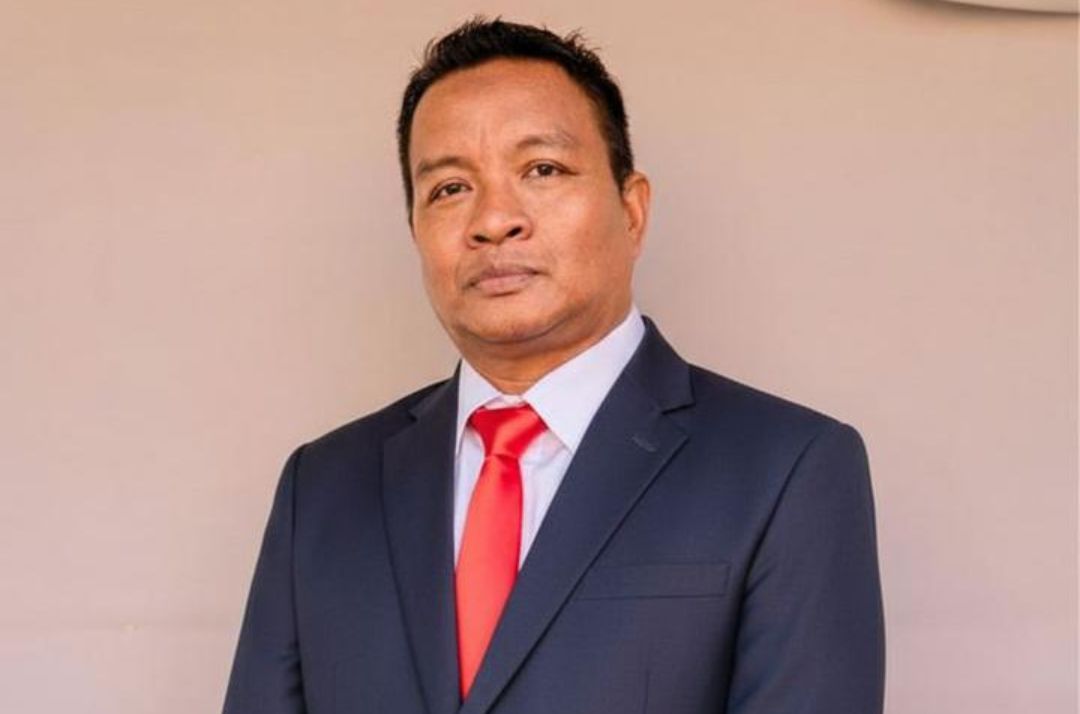
Welcoming the launch of the RPN, KGBS president Zulkiflee Sebli described the plan as a strategic effort to strengthen the quality, accessibility and equity of education, from early childhood to higher education.
Principally, he said KGBS supports the government’s aspiration to develop competitive, ethical, and well-rounded human capital in line with the country’s future needs.
However, Zulkiflee stressed that the success of RPN in Sarawak, particularly in rural and interior areas, depends on realistic and inclusive implementation that addresses infrastructure gaps, digital access, transportation challenges, and the shortage of teachers.
“Students in remote areas require additional support in terms of facilities, internet access, learning materials, and academic interventions to ensure they are not left behind their urban peers,” he said in a statement today (Jan 20).
On the compulsory teaching of Bahasa Melayu and History across all school streams, KGBS noted the importance of strengthening national identity, unity, and historical understanding.
“Implementation must be supported by sufficient pedagogy, especially for rural students from diverse mother-tongue backgrounds. Without remedial programs, targeted teacher training, and context-appropriate learning materials, this policy risks increasing academic pressure on students,” Zulkiflee said.
Regarding early childhood education, KGBS supports the plan to admit preschoolers from age five starting in 2027.
Nevertheless, he highlighted concerns over infrastructure, trained teachers, and access in remote areas.
“We urge the government to accelerate the establishment of preschools, teacher training, and financial allocations to ensure equitable implementation across Sarawak,” he said.
KGBS also acknowledged the takeover of Form Six and matriculation systems by the Ministry of Higher Education (KPT) from 2026.
While the move could better align pre-university pathways with higher education requirements, Zulkiflee emphasised the need to safeguard opportunities for Sarawak students, especially from rural areas, through fair quotas, financial aid, accommodation, academic support, and closer access to institutions.
“KGBS is ready to collaborate with the Ministry of Education and the Ministry of Higher Education as strategic partners to ensure this plan truly benefits education in Sarawak and narrows, rather than widens, the urban-rural education gap,” he said.