IT’S been a tough few months for believers in the currency market version of Pax Americana.
Dollar critics confidently proclaim that its reign is over.
In Asia, this is a “sell America” moment.
Any sane investor is scouring the planet for an alternative — one that offers all the advantages of the incumbent but none of the downside.
Europeans also want in, extolling the virtues of the euro.
Good luck with that.
One of my reservations about this bearishness isn’t that the upheavals induced by President Donald Trump — tariffs, an assault on the rule of law — don’t warrant a weaker dollar.
They do, especially given the greenback’s resilience the past few years.
Rallies in the yen, the Taiwan dollar, South Korean won and Thai baht look justified from this perspective.
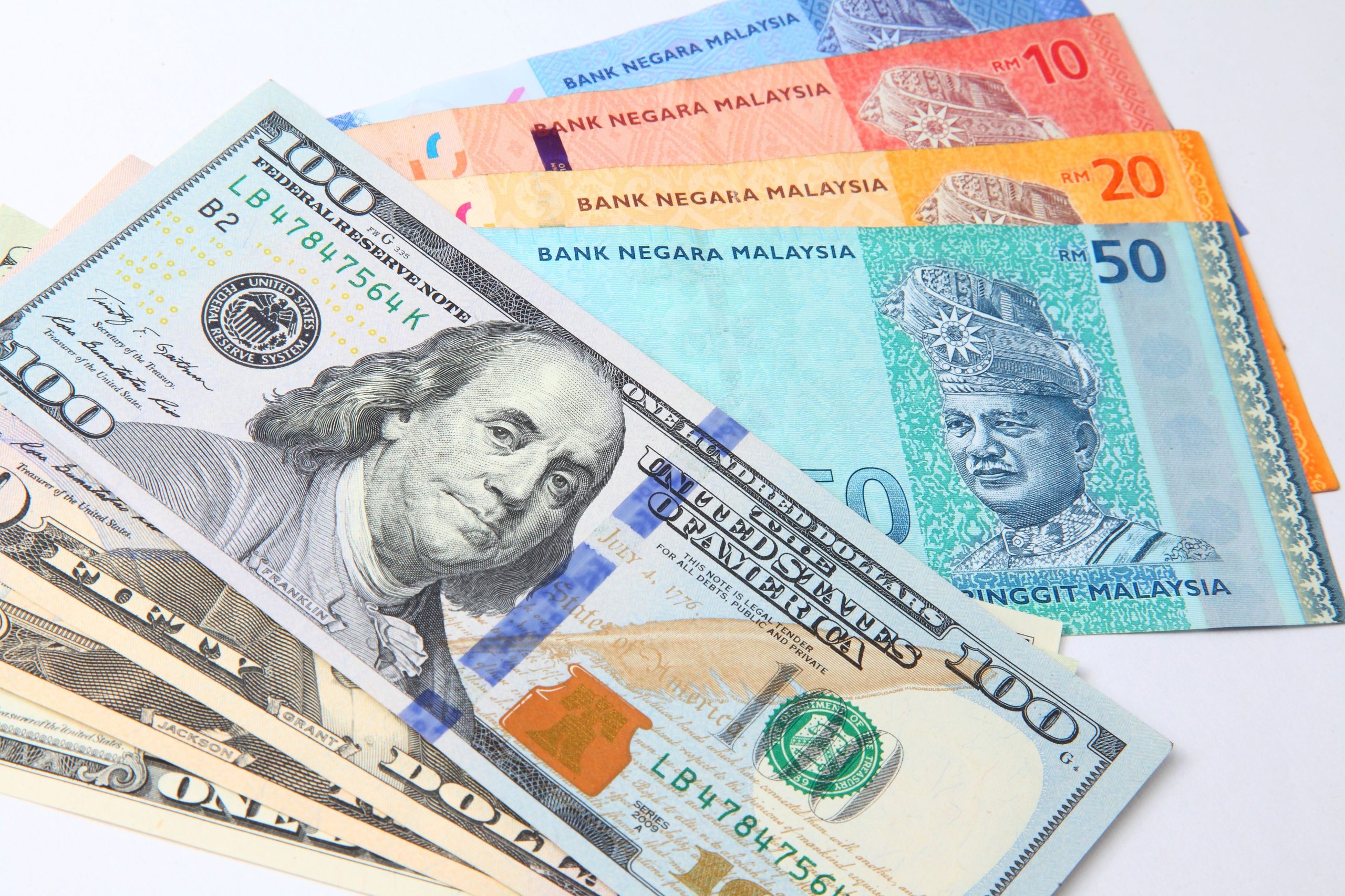
Even the Malaysian ringgit, the subject of jarring capital controls imposed by the Bank Negara Malaysia in the 1990s, is having a good run.
The challenge to the prevailing narrative is the confidence with which it’s prosecuted.
Given the plethora of references to Richard Nixon’s FX policy, it’s worth remembering what was on his mind.
Though his team reckoned that the shock of abandoning the Gold Standard would induce a devaluation of the dollar, which they didn’t mind, they couldn’t be sure.
The USD did have a rough few years, but easily retained its place at the pinnacle of the financial system.
Present times call for some nuance, which was provided at a conference in Singapore recently.
Trump had few fans at the Asian Monetary Policy Forum.
The city state, which accumulated great wealth as barriers to trade, capital and talent were rolled back, rightly frets about the long-term impact of tariffs.
But the gathering also skipped apocalyptic pronouncements.
The dollar and Treasury securities are still safe assets with few — or any — rivals.
They have, though, become less safe.
We are witnessing a “step down in the centrality of the dollar,” an economist from the Asian Development Bank (ADB) told the audience.
When it was my turn to respond, I shot back, “Not accurate. The metrics are noisy—FX reserves, trade invoicing and cross-border flows. Each points in a different direction. Let’s break them down, one by one.”
There is one reserve currency; the issue is the weight that should be accorded to the greenback.
Among the questions that hung over the forum was whether the euro is ready to seize the moment.
After all, it trades freely.
The euro zone is a large market.
If Germany can follow through on pledges to dramatically rev up spending, the region’s capital markets can become deeper.
And the European Central Bank’s autonomy is enshrined in a treaty.
The single currency has fared well under Trump, gaining around 8 per cent this year.
Does that make it ready to replace the greenback?
ECB chief Christine Lagarde made her pitch in a Berlin speech a few days later.
The changes create an opening for the euro, an opportunity for the continent to control its destiny.
She was prudent enough to emphasise this privilege had to be earned.
Lagarde said that the US is prone to bouts of unilateralism that call into question its role as the issuer of the leading reserve currency.
And yet the dollar remained unrivalled, she said, because there wasn’t anything ready to take its place, save perhaps gold.
True enough, but the reaction to the 1971 bombshell at the time wasn’t exactly measured.
Press commentary concluded it as the demise of dollar primacy.
An excellent book on Nixon’s deliberations by Jeffrey E. Garten includes some reactions: German media spoke of the greenback’s “collapse,” while the Sunday Times of London referred to “the formal dethronement of the Almighty Dollar.”
Proclamations that things are now different need to account not just for what happened during past currency agonies, but how they looked at the time.
Asia gets attention because the greenback has been particularly strong in the region.
Countries have benefitted from having hard and soft pegs over years.
The shortcomings of such arrangements became apparent during the Asian financial crisis.
Currencies now fluctuate far more freely.
But interventions do occur when swings become worrisome and its values versus the dollar that authorities look at most.
Southeast Asian leaders always called out Trump’s tariff plans as causing uncertainties in commerce with their region’s largest export customer.
There’s also little harm in their call for an urgency of diversifying trade beyond traditional markets.
Whether these alternatives offer the scale equivalent to America remains to be seen.
Shifting currency reserves en masse is a riskier proposition.
And to what?
China doesn’t seem ready to step up, and itself distrusts markets.
The yuan is less constrained than it was before 2005, when Beijing moved away from a fixed rate versus the dollar, but the People’s Bank of China is frequently nudging it around and providing daily guidance.
The dollar has taken some hits, and that is fine.
In trying to find a way to pithily nail the current period, a little less doom-saying would be constructive.
When Nixon’s Treasury secretary, John Connally, briefed reporters the evening of Nixon’s speech, he referred to a little-known official by the name of Paul Volcker, who was to leave shortly on a trip to world capitals.
The same man was later lionised for slaying inflation and entrenching the Federal Reserve as a huge asset for America — and the world.
Until another authority has the scope to throw its balance sheet around the global economy in times of difficulty, it’s imprudent to shout too confidently that the time of reckoning has arrived.
The views expressed here are those of the columnist and do not necessarily represent the views of Sarawak Tribune. The writer can be reached at med.akilis@gmail.com