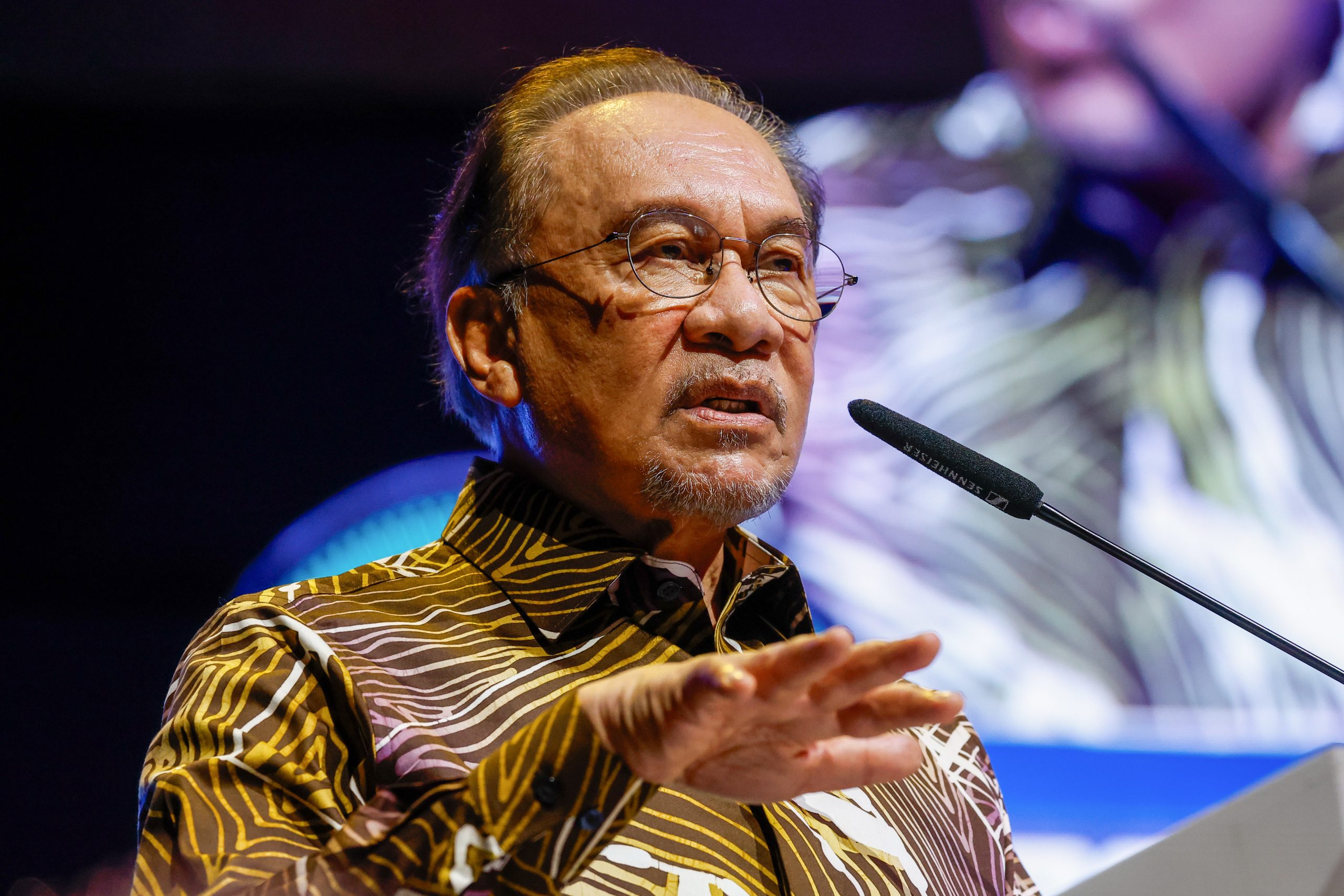
PUTRAJAYA: The Ministry of Rural and Regional Development (KKDW) must move from a culture focused primarily on processes to one centred on impact and accountability to ensure its policies and programmes deliver meaningful benefits to rural communities, Deputy Prime Minister Datuk Seri Dr Ahmad Zahid Hamidi said.
Ahmad Zahid, who is also Rural and Regional Development Minister, said the ministry should not merely focus on implementing activities and adhering to procedures, but must also take responsibility for achieving outcomes that directly improve people’s well-being.
“We must move from a culture of compliance to a culture of impact, and from a culture of activity to a culture of accountability. This is the new discipline that I want and that all of us must implement at KKDW,” he said at the ministry’s monthly assembly here today.
He said the public does not judge the government based on the number of meetings held or presentations delivered, but on whether its policies and initiatives improve their lives.
Ahmad Zahid urged KKDW leaders and staff to act more swiftly, make bold decisions, honestly assess organisational weaknesses and engage more closely with the people in addressing rural development issues.
He called on the ministry’s secretary-general, deputy secretaries-general, directors-general and school heads to treat the mid-term review as a turning point, with every finding translated into clear decisions and effective implementation.
“Every decision must have a timeline and a designated party responsible for its implementation. The greatest weakness of any organisation is not admitting it has problems, but knowing the problems exist and lacking the courage to act,” he said.
Ahmad Zahid outlined six key disciplines that should underpin KKDW’s mid-term review, namely relevance, effectiveness, efficiency, impact, sustainability and coherence.
He said rural development should no longer be viewed solely as a welfare agenda, but as a national strategic priority essential to maintaining the country’s stability.
“If rural areas are weak, the nation will be fragile. If rural communities are left behind, the country will lose its balance. But if rural areas prosper, Malaysia will have a strong foundation to face whatever challenges lie ahead,” he said.
Although Malaysia’s economy continues to demonstrate resilience and positive growth, Ahmad Zahid said the key question remains whether development initiatives are genuinely benefiting rural communities.
Citing the construction of 1,800 kilometres of Rural Roads (JPD) under the 12th Malaysia Plan (12MP), he said the project had expanded access to education, healthcare, economic opportunities and employment for rural residents.
He added that the nations’ rural economic agenda should be viewed as a comprehensive ecosystem linking infrastructure development, entrepreneurship, education, training and employment opportunities.
Ahmad Zahid also commended several agencies under KKDW for their initiatives, including the Central Terengganu Development Authority’s (KETENGAH) Food Valley project, commercial pineapple cultivation and broiler farming ventures, the Southern Kelantan Development Authority’s (KESEDAR) development of Kelantan’s first coffee plantation area, and the Kedah Regional Development Authority’s (KEDA) Food Valley project.
He also expressed appreciation to the Department of Orang Asli Development (JAKOA) following the increase in Orang Asli student enrolment in higher education institutions and the Master’s Education Preparatory Programme (RPPS), which he described as the highest achievement in the community’s educational history.
Ahmad Zahid said early childhood education initiatives under the Community Development Department (KEMAS), including TABIKA, TASKA, Smart Pra Tahfiz, Smart Classroom and TABIKA Tunas Istimewa, play a role in nurturing a knowledgeable, technologically literate and confident rural generation. – BERNAMA