Where stories bring people together
On World Book Day, Kuching Gentle Readers is quietly redefining reading as a shared, reflective experience – building a growing community where stories go beyond the page to connect people.
IN a world that rarely slows down, reading has quietly become both a refuge and a rebellion. While screens compete for attention and time feels increasingly fragmented, there are still those who choose to pause – to sit with a book, and more importantly, with one another.
On World Book Day, celebrated around the world on April 23, this bond feels especially significant. For the founders of Kuching Gentle Readers (@kgr.bookclub on Instagram), what began as a simple search for a local book club has since grown into something more intimate – a shared space where stories are not only read, but lived, discussed, and understood together.
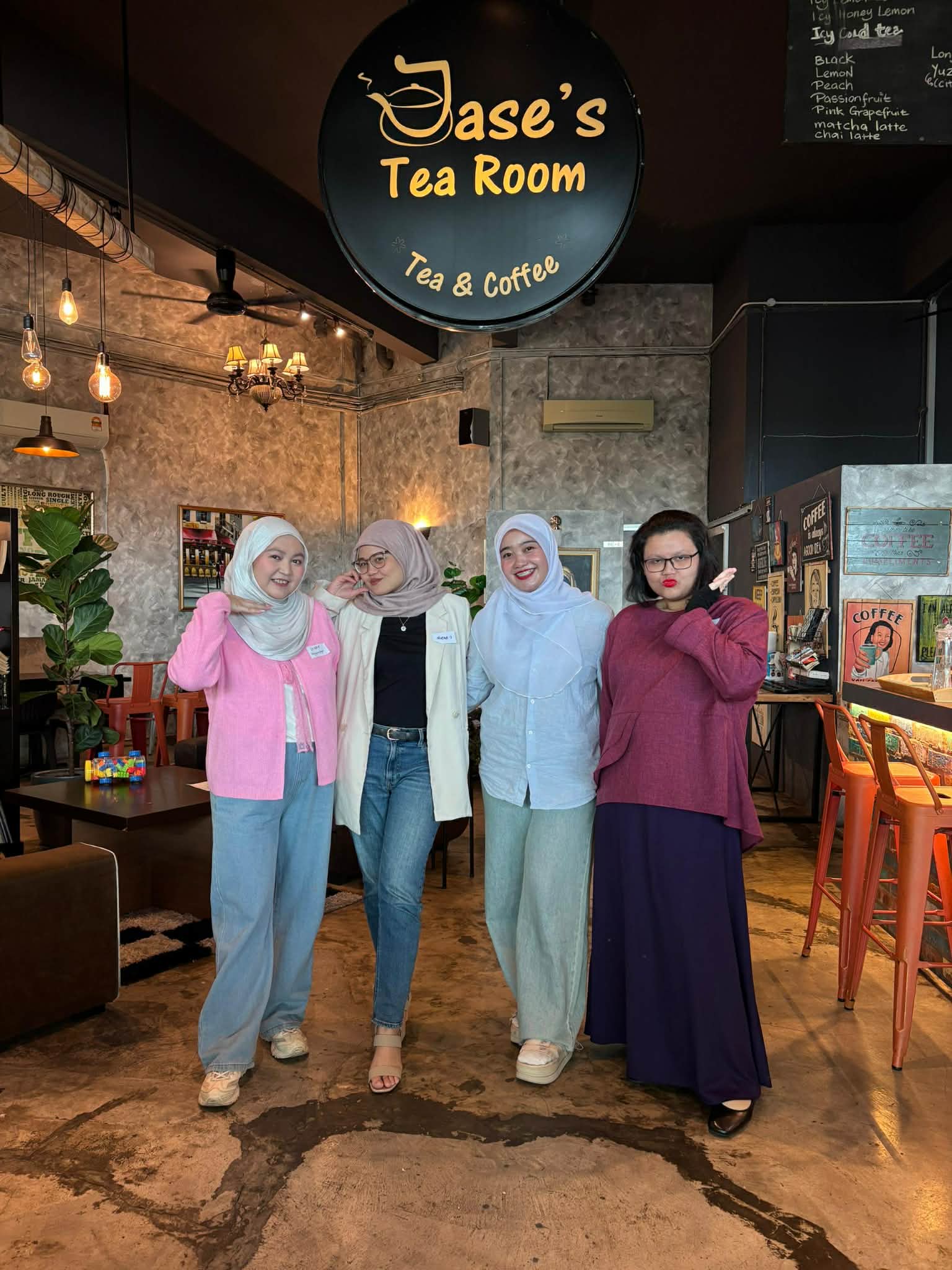
Run by four individuals – Qistina Asmaa’, Nur Rasyiqah Adam, Nur Amanina Roslan, and Cynthia Paul – Sarawak Tribune (ST) reached out to them in conjunction with the World Book Day celebration of books to learn more about this local book club.
ST: What inspired you to start this book club, and what gap were you hoping to fill?
Qistina: I started this book club because I wanted a space where people could slow down, reflect, and connect through books. Many people love reading but often do it alone, and I felt there was a gap for meaningful conversations that go beyond simply asking, ‘Did you like it or not?’ I wanted to create a community where people can share different perspectives, feel understood, and discover books they might never have picked up on their own. I hope this book club makes reading feel less intimidating and more enjoyable, because books can help people feel seen and understood.
ST: Do you remember the very first session? What was it like, and how has it evolved since then?
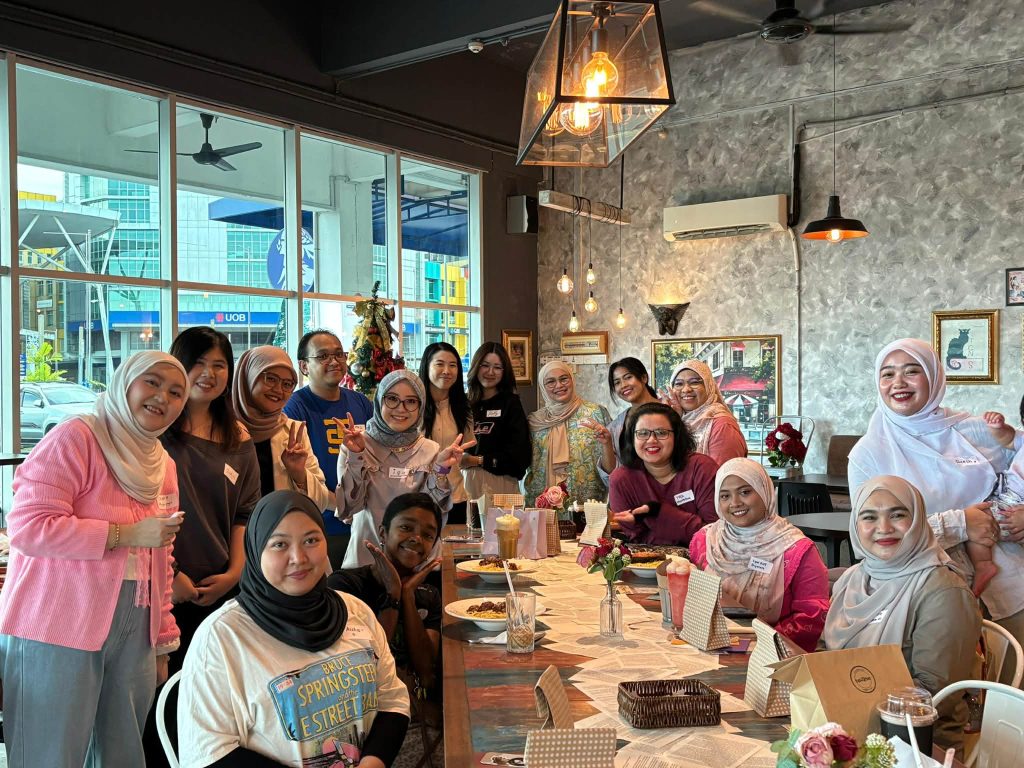
Nur Rasyiqah: The very first KGR Book Club session was a relaxed, cosy gathering over coffee and food, where everyone simply shared their favourite books, current reads, and got to know one another. It was informal and intimate – more like a group of friends bonding over a shared love of reading than a structured event. Since then, although the book club is still very new and we haven’t had many meet-ups yet, it has already begun to grow in meaningful ways. Our sessions have evolved to include engaging discussions not just about books, but also about the publishing world, enriched by conversations with both local and international authors who are part of our community.
ST: Was there a defining moment when you realised, “this is more than just a casual reading group”?
Nur Rasyiqah: After our very first meet-up, it became clear that this was more than just a casual reading group. What started as a simple gathering of people who love books quickly showed the potential to become something deeper – a space where genuine friendships could form. From that moment, we saw the possibility of growing into a more interactive community, where we don’t just talk about books, but also create shared experiences together.

ST: In your view, how has reading culture changed over the years, especially among younger generations?
Nur Amanina: Reading culture has evolved quite dramatically, especially among younger generations. Years ago, reading was more linear and sustained. I used to pick up a physical book or my grandfather’s newspaper and spend long, uninterrupted periods immersed in it. Today, reading is more fragmented and digital. Younger readers consume content through devices – e-books, audiobooks, and online libraries mean that reading is no longer limited by physical access. Reading nowadays can be done anytime, anywhere, even switching to audiobooks while doing chores. This flexibility suits modern lifestyles, especially for those who multitask frequently, which I personally appreciate.
ST: With distractions like social media, how do book clubs remain relevant today?
Nur Amanina: Book clubs remain relevant because they offer something social media doesn’t – depth, connection, and accountability. While platforms like TikTok and Instagram provide quick, surface-level engagement, book clubs create a space for meaningful discussion and critical thinking. They also turn reading into a shared experience. Instead of reading alone, members exchange perspectives, which deepens understanding and keeps people motivated to finish books. In a way, book clubs add structure and purpose to reading, something that’s often missing in today’s fast-paced digital habits. Many clubs have also adapted by going online or using platforms like Goodreads, making them more accessible and flexible. Rather than competing with social media, book clubs complement it by offering a more intentional and enriching way to engage with reading.
ST: What does World Book Day mean to your community personally?
Nur Amanina: Personally, World Book Day is a reminder of why our community started in the first place – to celebrate reading as something meaningful, not just a hobby. In our community, it’s less about the occasion itself and more about what it represents: connection, shared stories, and a safe space for people to slow down and engage deeply with books. It brings members together, whether through discussions, recommendations, or simply reflecting on how reading has shaped us. It also feels like a moment to re-energise reading culture, especially among younger readers, showing that books can still be relevant, relatable, and powerful even in a fast-paced digital world.
ST: Have you seen friendships or even life-changing moments emerge from your sessions?
Cynthia Paul: Yes, we have. We’ve seen people connect with one another not just through a shared interest in reading, but also through other interests such as writing and music. For instance, in February 2026, we invited a debut author, Benedict Leong, who wrote ‘The Snow is Warm Here’, published under Penerbit X. Members engaged in discussions and shared their thoughts on writing and the publishing scene. They gained valuable insights into these topics and, at the same time, inspired aspiring writers who hope to publish their work.

ST: How do discussions in a group setting deepen the reading experience compared to reading alone?
Qistina: When you read alone, you experience the story through your own lens. In a group discussion, however, you hear how others interpret the same book differently based on their experiences, beliefs, and emotions. Sometimes someone notices a theme, detail, or lesson that you completely missed. It makes the reading experience richer, more personal, and more memorable. We often recall our fond memories of reading together, and the experience feels even more meaningful because it is shared.
ST: How do you decide which books to feature? Do you lean towards local authors, global bestsellers, or something niche?
Nur Rasyiqah: We usually decide on a monthly theme and invite our members to suggest books that fit within it. This keeps things collaborative and ensures everyone feels involved in the selection process. Our themes aren’t limited to fiction – we also include non-fiction to cater to different preferences. In terms of selection, we don’t limit ourselves to global bestsellers or niche reads – we try to strike a balance. Supporting local authors is also important to us. For example, in March, we featured a newly published book by Benedict Leong, ‘The Snow Is Warm Here’, as part of our monthly theme.
ST: Are there any books that sparked particularly intense or memorable discussions?
Nur Amanina: As our book club is still quite new – having been established in November 2025 – we haven’t had particularly intense or memorable discussions just yet. However, we see that as an exciting opportunity. As the group grows and members become more comfortable sharing their perspectives, we’re confident that deeper and more engaging discussions will naturally develop over time.