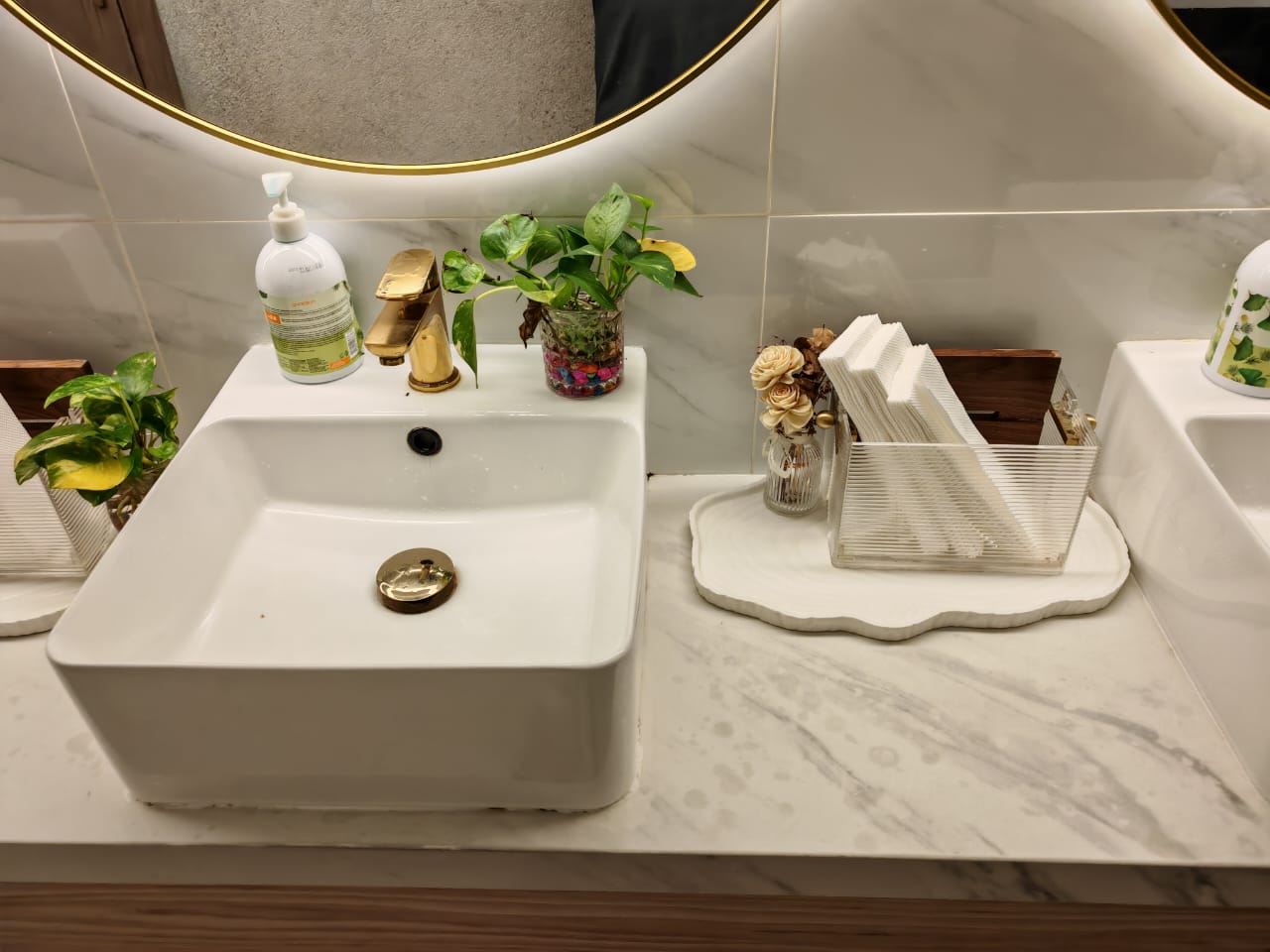
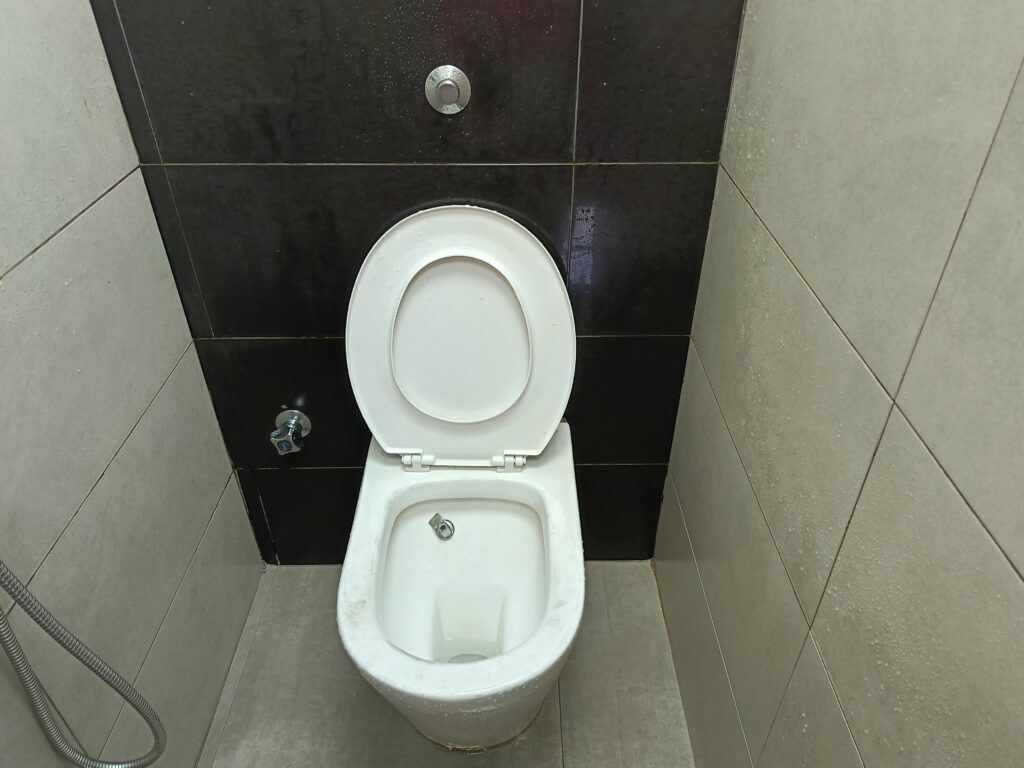
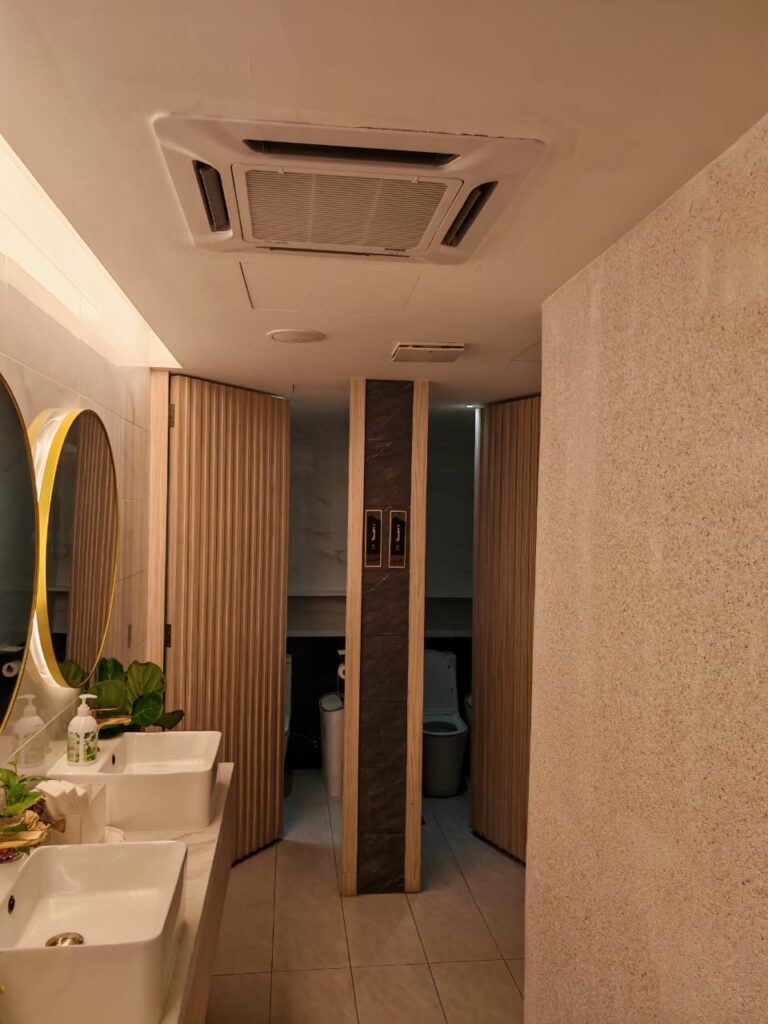
TOILETRIES - The sink area in the toilet in a Penang restaurant is immaculate.
LET’S READ SUARA SARAWAK/ NEW SARAWAK TRIBUNE E-PAPER FOR FREE AS EARLY AS 2 AM EVERY DAY. CLICK LINK
Toilets and Tourism
AN avid traveller from Sarawak once visited the Japanese countryside. While exploring the small villages far from the bustling cities, he discovered something that completely surprised him – the toilets. To him, even the most modest public toilet in Japan deserved a five-star rating if there was such a system. It was an eye-opener. The facilities were spotless, advanced, and thoughtfully designed – even in remote areas.
He realised that these rural Japanese toilets could easily put to shame the ones found in some of Sarawak’s best hotels. Though toilets in Sarawak have improved over the years, he felt that from a tourism standpoint, they still fell short of international expectations. For many locals, Sarawak’s toilets might seem decent enough, but to foreign visitors, they remain far from ideal. To achieve a gold standard in public facilities, Sarawak must rethink, invest, and develop a new approach to toilet design, cleanliness, and maintenance.
This traveller’s experience reflects a broader issue – how something as simple as a toilet can shape a visitor’s impression of a place. Toilets may not be glamorous, but they are essential. Tourists often judge a city or country by the cleanliness of its facilities. A well-designed, hygienic toilet tells visitors that the people care about public health, comfort, and hospitality.
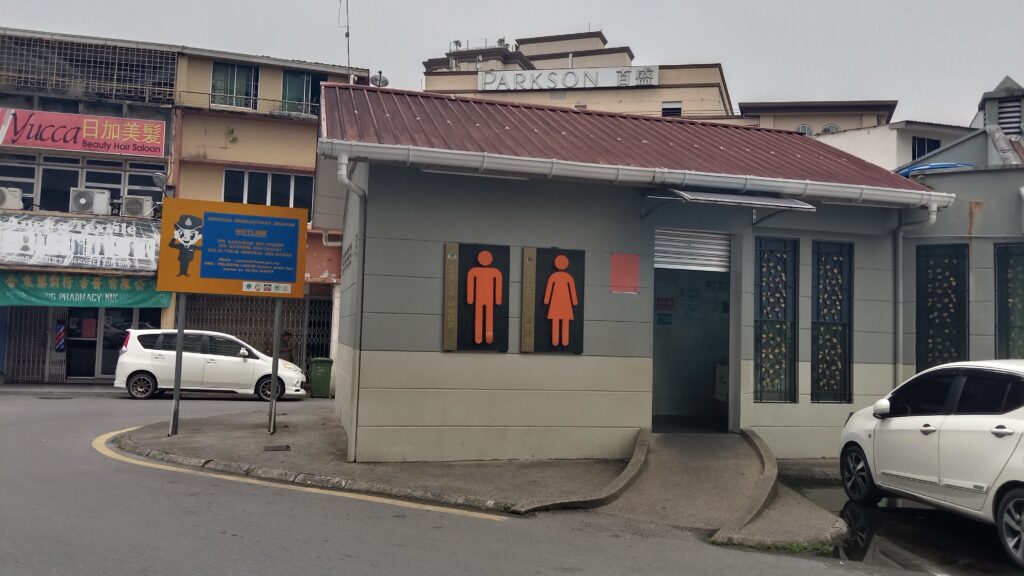
ELECTRA TOILET … The public toilet at Kuching’s old town area
A Local Example: Siniawan Night Market
To better understand the challenge, consider a local example. During a visit to the Siniawan Night Market – a lively spot filled with locals and tourists – finding a clean public toilet became unexpectedly difficult. The night market was buzzing like a carnival, with hundreds of people milling about, enjoying food and music under the glowing lights. Yet, when nature called, the search for a decent loo turned frantic.
After walking around for some time, the visitor finally found a toilet inside a local coffee shop. The facilities were very basic – usable but far from the standard one would expect in a tourist hotspot. There was word of a public toilet nearby, but it was said to be poorly maintained.
With Siniawan’s popularity continuing to grow, particularly with the development of its new waterfront area, it is only logical to invest in better facilities. A star-rated public toilet could complement the market’s charm and enhance the visitor experience. After all, toilets are an essential part of the tourism infrastructure – as important as the food stalls or the stage for performances.
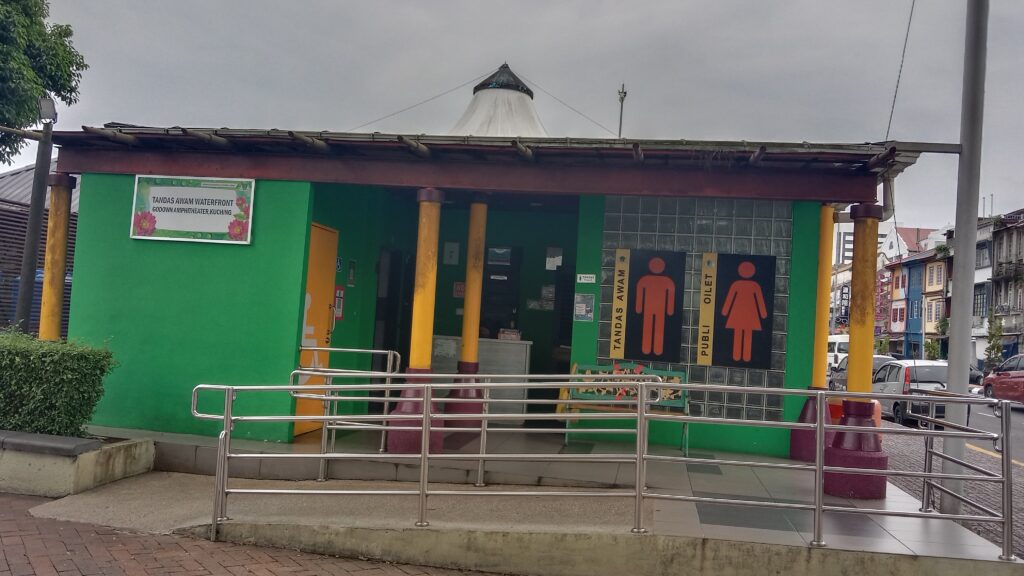
KUCHING WATERFRONT … Imagine this public toilet in the heart of our tourism centerpiece upgraded into an art installation.
What Japan Teaches Us
For the traveller who had visited Japan, the experience was an “aha moment”. He came to understand how much public facilities reflect a nation’s character and culture. In Japan, toilets are not seen as mere necessities but as a symbol of respect for others. They embody the country’s values of cleanliness, orderliness, and consideration – principles deeply rooted in Shinto beliefs about purity.
Even in rural Japan, toilets are designed for comfort and cleanliness. Many are equipped with advanced technology – automated flush systems, heated seats, air dryers, and bidet functions. They are well-maintained, smell pleasant, and are visually appealing. Every detail – from lighting to soap dispensers – is carefully thought out.
In Tokyo, there are even “toilet villages” – unique art installations that celebrate the design and utility of toilets. Some parks feature “transparent toilets”, with glass walls that turn opaque when locked. They provide a sense of safety, visibility, and trust.
Imagine, then, if Sarawak applied similar creativity and care to its own public facilities. Waterfront toilets along Jalan Tunku Abdul Rahman, or those at the Gambier Street promenade, could be transformed into well-designed, welcoming, and accessible spaces. These areas already attract both locals and tourists. Upgrading the toilets would be a relatively small investment with a major payoff in image and comfort.
As the traveller noted, Japan has set a global benchmark. Its toilets are part of a wider tourism ecosystem that values harmony, cleanliness, and innovation. In contrast, many public toilets in Sarawak remain below the expected standard. Meeting – or even approaching – the Japanese level requires a shift in mindset and commitment from both the government and the public.
PROMENADE … This public toilet is at the promenade along Jalan Gambier
Lessons from Hong Kong
Another Sarawakian who once lived in Hong Kong shared a similar perspective. When friends visited him there, the first thing he proudly showed them was, surprisingly, the public toilets.
“In Hong Kong,” he said, “the toilets are so clean you could almost eat there.”
The statement was, of course, an exaggeration, but it showed how much people notice the cleanliness of public facilities.
Hong Kong’s toilets are not just clean; they are functional and user-friendly. Many feature automatic heat-sensor taps that release water without touch, and seat-cover tissues for hygiene. The city learned the importance of public cleanliness the hard way, after the SARS outbreak from 2002 to 2004. That crisis triggered a comprehensive hygiene programme, transforming the city’s approach to sanitation and public health.
In Hong Kong, teams of cleaners ensure that public toilets are regularly disinfected and well-maintained. If a toilet is found dirty, it is cleaned immediately. In Japan, such constant cleaning is less common because the citizens themselves take pride in leaving toilets spotless for the next user.
This highlights a major difference – while infrastructure is crucial, attitude matters just as much. Clean facilities reflect responsible habits. Hence, Sarawak must not only upgrade its toilets but also nurture a culture of cleanliness and accountability among its people.
PETRONAS … This toilet at a PETRONAS fuel station is quite decent.
Cleanliness as a Shared Responsibility
Attitude plays a huge role in maintaining cleanliness. A story from a coach who spent years in Japan illustrates this clearly. When he returned to Sarawak and visited a government office, he was disappointed to find that the toilet was not properly flushed. When he asked the cleaner why, she replied that the water system was faulty. His suggestion – to use a pail to fetch water from another source – was met with surprise. To him, it was a matter of practical sense and pride in work, but to her, it seemed unnecessary.
This difference in mindset captures the heart of the issue. Cleanliness is not just the government’s responsibility; it is a shared duty between authorities, businesses, and ordinary citizens. In Japan, children are taught from a young age to clean their classrooms and toilets – not as punishment but as a form of discipline and respect. In Sarawak, fostering that sense of personal responsibility could go a long way in creating a cleaner and more welcoming environment.
There should also be stricter enforcement. Authorities could close down coffee shops or eateries whose toilets fail hygiene inspections. Tougher action might push owners to improve maintenance. At the same time, recognition programmes rewarding the cleanest public or business toilets could create healthy competition and pride.
PENANG … The inside of this restaurant restroom in Penang is of high standard.
Setting New Standards from City Toilets to Airports
Sarawak has made progress over the past few decades in improving sanitation. The old “bucket system” from the 1950s and 1960s is gone, replaced by modern plumbing and waste management. However, the world has moved forward, and expectations have risen. Clean and functional toilets are now only the minimum; design, technology, accessibility, and comfort have become the new standards.
The upcoming plans for a new airport in Sarawak provide a golden opportunity. The state government could set a new benchmark by following the example of Singapore’s Changi Airport – consistently ranked as one of the world’s best. Changi’s restrooms are known for their hygiene, smart cleaning robots, accessible design for people with disabilities, and thoughtful features like baby-changing rooms. The attention to detail gives travellers a sense of trust and comfort as soon as they arrive.
If Sarawak’s new airport aimed for similar standards, it would instantly uplift the state’s global image. Tourists remember their first and last impressions – and both often involve the airport toilets. It may seem like a small detail, but these are the moments that shape how visitors talk about a place when they return home.
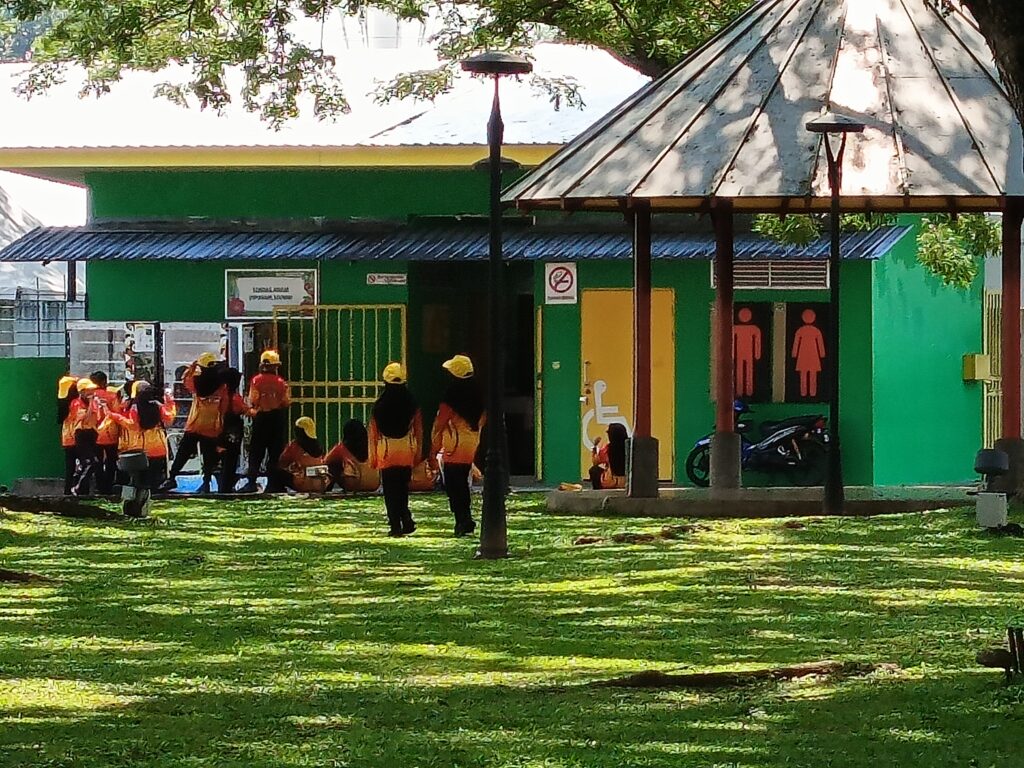
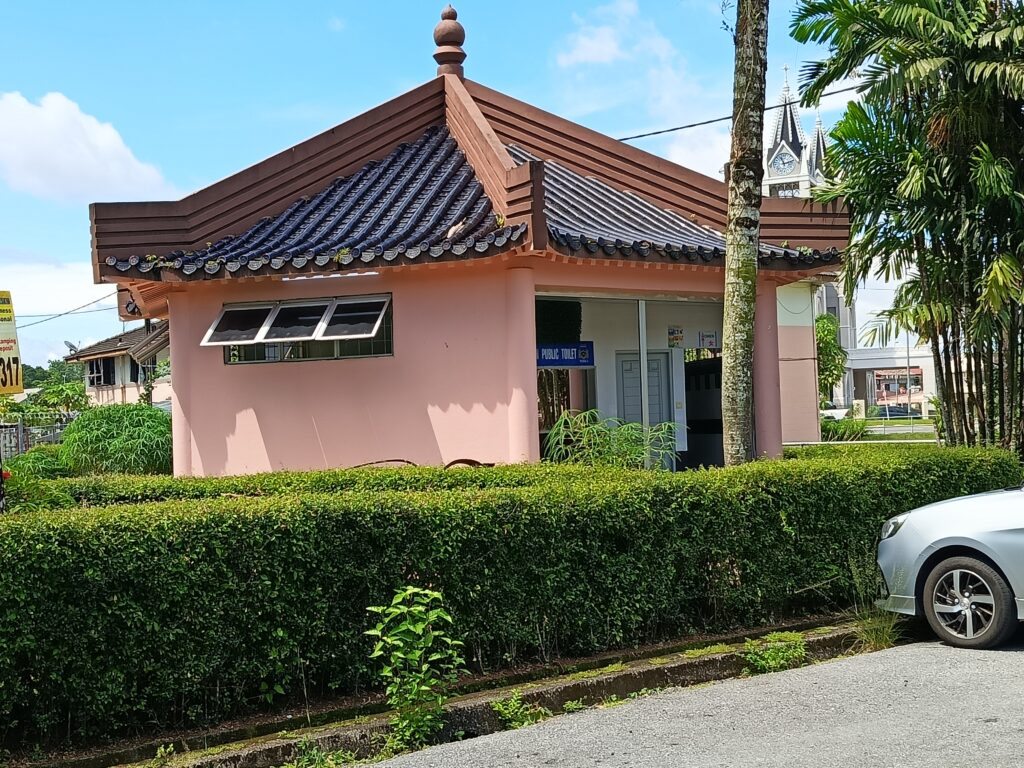
PADUNGAN … This toilet at the end of Padungan Street is quite secluded in a garden.
Toilets as a Reflection of Society
It is easy to overlook toilets when thinking about tourism. People often focus on attractions, food, or culture – but the state of its public facilities says more about a society’s values than most realise. A clean, well-maintained toilet reflects respect, discipline, and civic responsibility. It shows that people care about hygiene, comfort, and the experiences of others.
In many ways, toilets are the silent ambassadors of a place. They speak to visitors even when no words are exchanged. A dirty or poorly maintained facility suggests neglect; a bright, clean, and welcoming one conveys pride and hospitality.
Perhaps Sarawak has reached a turning point. The infrastructure, the friendliness of the people, and the beauty of the land already impress visitors. But to become truly world-class, Sarawak must pay attention to the small details – starting with something as ordinary yet as essential as the toilet.
Toward a Cleaner, More Hospitable Future
Toilets might not make headlines, but they make lasting impressions. The Sarawak traveller’s journey to Japan was not just a trip abroad; it was a lesson in what true hospitality looks like. Clean, functional, and pleasant public facilities are not luxuries – they are necessities for any society that wishes to be regarded as civilised and welcoming.
From Siniawan’s lively night market to the planned new airport, every public space presents an opportunity for improvement. With thoughtful design, proper investment, strict maintenance, and a shift in public attitude, Sarawak can create a standard that other regions may one day admire – perhaps even the way we now look to Japan and Hong Kong.
If Sarawak wants to be remembered not just for its stunning landscapes but also for the quality of its hospitality, then building world-class toilets is not just about convenience – it is about pride, culture, and respect.