DEAR leaders, legacy is a multifaceted concept that denotes the enduring impact of an individual, organisation, or institution. It manifests through the contributions one makes to society or an organisation, the values one instils in others, and the memories formed during one’s lifetime. In simple terms, legacy represents what we leave behind – a continuation of the work, actions, or understanding that persist after we are gone.
In a more practical sense, legacy often includes the tangible and intangible assets we bequeath to future generations. These can range from wealth, knowledge, and skills to cultural practices and stories of resilience and innovation. In essence, legacy reshapes our present while fostering growth and evolution for those who follow.
Legacy as a Service (LaaS) builds upon the foundational concept of legacy by framing it as a service-oriented model. In a world inundated with technology and rapid change, LaaS entails developing frameworks and systems that facilitate the transfer and preservation of valuable legacies in a manner that is available and accessible to others. This modern interpretation can manifest in mentorship programmes, digital knowledge repositories, community engagement initiatives, or even corporate social responsibility endeavours.
LaaS allows individuals and organisations not only to envision their legacies but also to actively shape and share them in a way that serves future generations. In a rapidly changing professional landscape, this service-oriented legacy becomes a mechanism through which we can address current challenges by promoting knowledge-sharing and generational impact.
Service is often defined as a voluntary act of helping or doing work for others; it represents a commitment to support and uplift. Why “service”? In an age marked by self-centred pursuits of success, embedding the ethos of service into our legacy can create profound change. It shifts the focus from the accumulation of accolades to the empowerment of others – enabling them to realise their potential and contribute to a greater collective advancement.
Two prominent institutions define service as follows:
According to the United Nations, “Service is a selfless act that contributes to society’s advancement.”
The American Psychological Association states, “Service is a fundamental aspect of human behaviour that promotes community and individual growth.”
Thus, Legacy as a Service embodies the essence of service through a lens that encourages leaders to build, maintain, and disseminate their legacy with others in mind.
Today’s leaders face immense challenges. The landscapes of business, governance, and communities are evolving at unprecedented speeds. Society grapples with pressing issues such as climate change, social injustice, and technological disruption. Traditional leadership models that focus primarily on personal achievement are increasingly at odds with the demand for collaborative solutions.
Leaders must equip themselves with the principles of LaaS now more than ever, because their capacity to create lasting impact hinges on their ability to pivot from self-serving strategies towards those that elevate others. As the challenges of ego-driven leadership mount, understanding LaaS may be the key to fostering generational change.
Legacy as a Service serves as a crucial framework for leaders who are determined to transcend personal achievement in favour of fostering a more equitable future. The premise is simple yet powerful: when leaders adopt a service-oriented approach to their legacies, they not only ensure their impact is felt but also empower others to continue their work.
LaaS can take many forms in contemporary leadership practice. For instance, business leaders can integrate LaaS into their corporate structures by developing mentorship programmes, creating knowledge-sharing platforms, or establishing community impact initiatives that ensure their contributions catalyse further achievements. Organisations such as Google and Microsoft have embraced LaaS by investing in educational initiatives to inspire young innovators, ensuring their legacies persist through the growth of future talent.
What legacy am I currently crafting, and whom does it serve?
How can I create mechanisms to ensure that my legacy empowers others rather than merely elevating myself?
In what ways am I actively engaging with and equipping the next generation to carry forward the torch of leadership?
These reflective inquiries provoke leaders to confront their current approaches and redefine their legacies as more inclusive and service-oriented.
The echo of ego-driven leadership resonates across industries, fostering a culture that prioritises personal accolades over collective progress. Many leaders grapple with the desire to make a tangible impact while simultaneously risking their legacies being overshadowed by ego. In our evolving social and professional landscapes, it is imperative to shift the focus from “What did I achieve?” to “What did I enable others to achieve?”
This shift is rooted in our universal human duty to empower the next generation and create a sustainable ecosystem in which everyone can thrive. Leaders must recognise the inherent responsibility they bear in shaping not only their own paths to success, but also the trajectories of those who follow.
We envision a world in which leaders fully understand and embrace the principles of Legacy as a Service. The journey towards effective leadership cannot linger in the shadows of personal ambition; it must illuminate the way for future generations by creating pathways for shared growth.
We ask ourselves: Have I been a catalyst for others’ success, or merely an architect of my own? What lasting impact will I leave, and who will truly benefit from it?
As leaders engage in self-reflection on these powerful questions, they should delve deeper into their human obligations, asking how their legacies can serve the greater good.
The responsibility lies with us to translate reflection into action. Leaders who embrace LaaS must commit to creating frameworks that extend their reach beyond mere accolades. By fostering a culture of collective empowerment, we not only enhance our legacies but also create vibrant communities that celebrate shared achievement.
Dear leaders, in summation, Legacy as a Service serves as a beacon that challenges the status quo, compelling leaders to favour inclusion over isolation. Let leaders heed this call and embrace the legacy they wish to create—not just for themselves, but for those who follow. In doing so, we may witness not only a transformation in leadership, but also the emergence of a new generation ready to carry forward the mantle of profound impact.
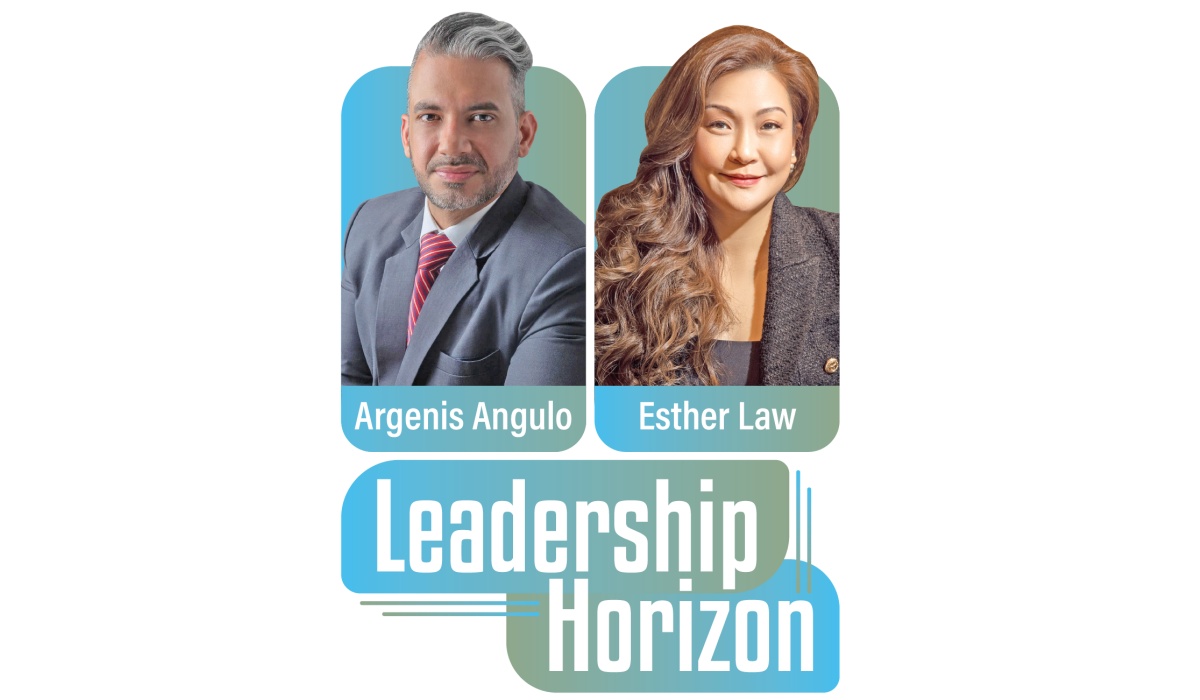
The views expressed here are those of the writers and do not necessarily represent the views of Sarawak Tribune. The writers can be reached at argenisangulo@gmail.com and lawleepoh@gmail.com.