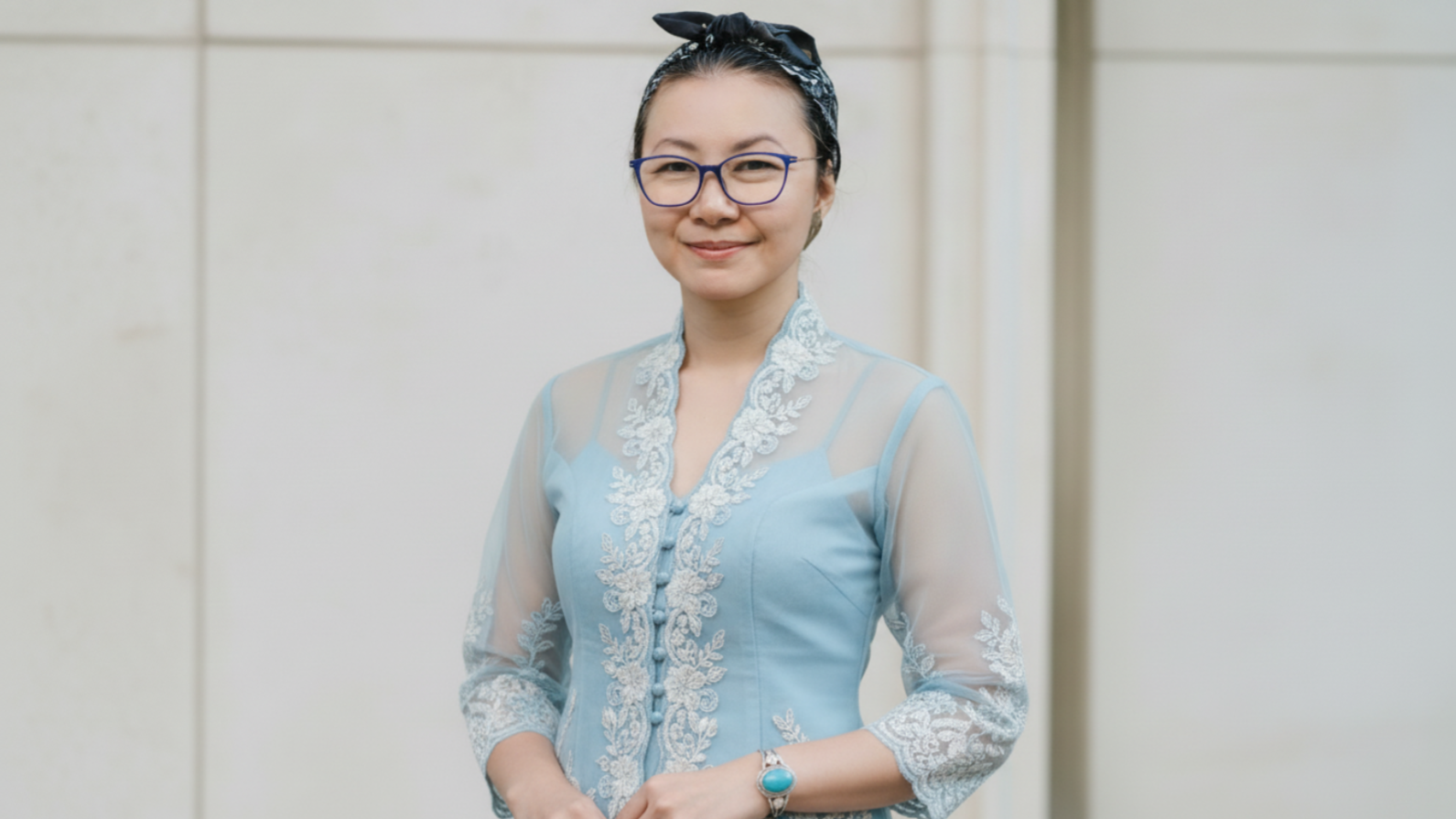
Raised amid cultural crafts, Jessie Koh Mei Lee traded corporate success for metalsmithing, translating ‘Peranakan’ heritage into contemporary jewellery with patience, precision, and a deep respect for tradition.
Heritage in Every Piece
THE journey of self-reflection and soul-searching was shaped by early exposure to cultural crafts, watching her parents dedicate their hours to heritage and traditional values. Though Jessie Koh Mei Lee spent over 20 years in the corporate world, her passion for crafts never faltered, as she found her true calling amid the rush hours.
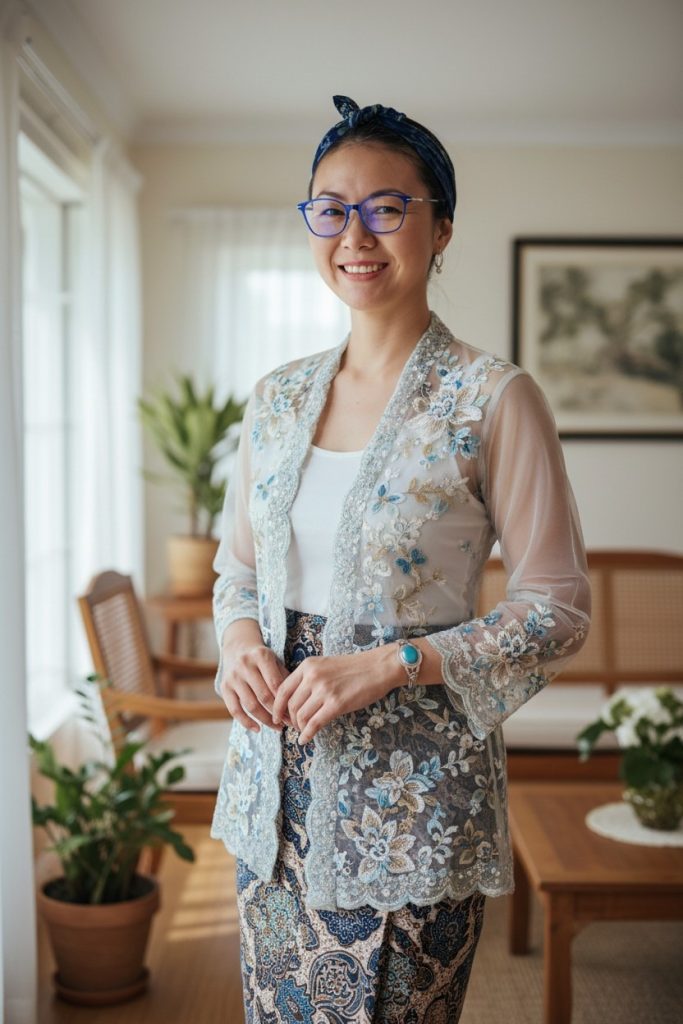
“I spent more than 20 years in the corporate world, working across retail, sales, and operations. From the outside, it looked stable and successful, but over time I felt increasingly removed from anything tangible or meaningful. I was constantly solving problems for other people’s businesses, yet the work felt surface-level,” said the 51-year-old.
Despite her success, she always knew she wanted to build something of her own and work with her hands. To Koh, art is sustenance for the soul. Her gravitation toward craftwork was a natural pull, shaped by a childhood spent watching her father build furniture and her mother stitch garments inspired by Peranakan motifs, florals, textiles, and silhouettes — the cultural fabric of her upbringing.
“Growing up, craftsmanship was simply part of everyday life. It wasn’t idealised or treated as something special; it was just work. I witnessed the long hours, the physical demands, and the discipline required to make things well.”
At the time, she hardly gave her parents’ jobs much thought. What she did remember were the days when they needed a new shelf, a dress, or any household item: her parents would source the materials, plan the design, and make it themselves.
Back then, she thought craft was a necessity, not a luxury.
“Only later did I understand how profoundly that environment shaped me. The respect for materials, the patience to see things through, and the belief in doing things properly even when no one is watching were lessons absorbed quietly over time. Those values were already part of me long before I ever stepped into a studio of my own,” said the metalsmith.
In 2018, Koh founded Jessie’s Trinket Trove — an opening that felt like a new world, where possibilities seemed endless.
“Once I made that decision, I committed fully to the craft. I invested in tools and space, spending thousands of hours at the jeweller’s bench, refining my skills through repetition and practice.”
“I made countless rings, often repeating the same design again and again. Not because it was easy, but because I wanted to understand it deeply and do it well. I only began selling pieces once they met the standards I had set for myself,” she added.
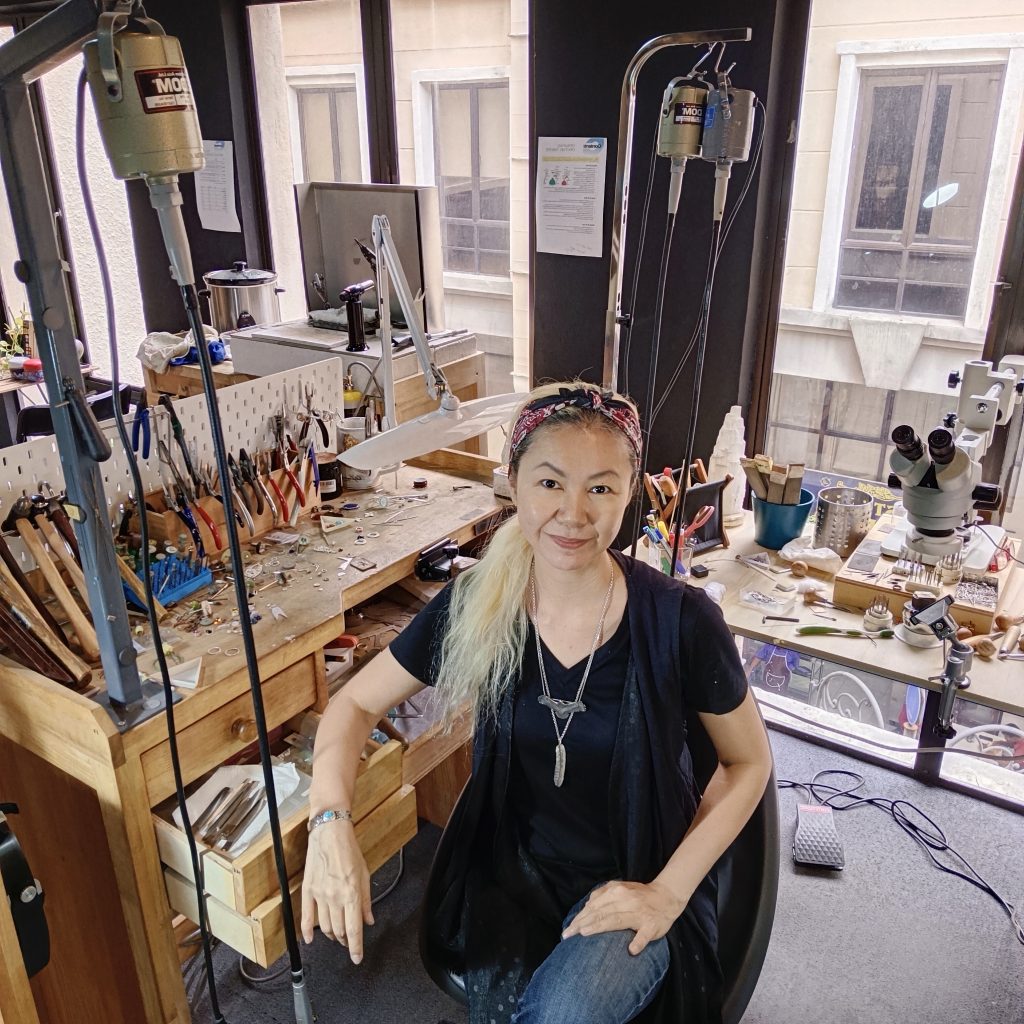
Craft amidst her culture
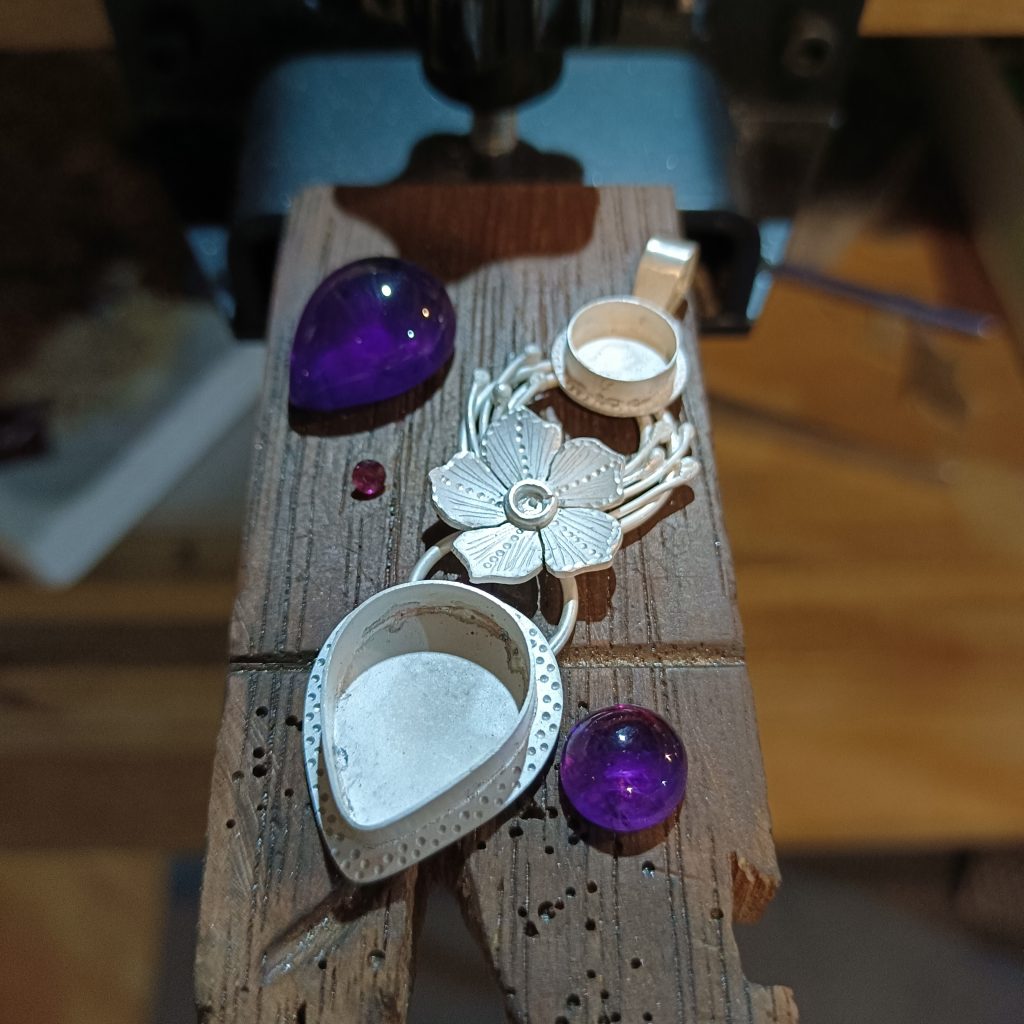
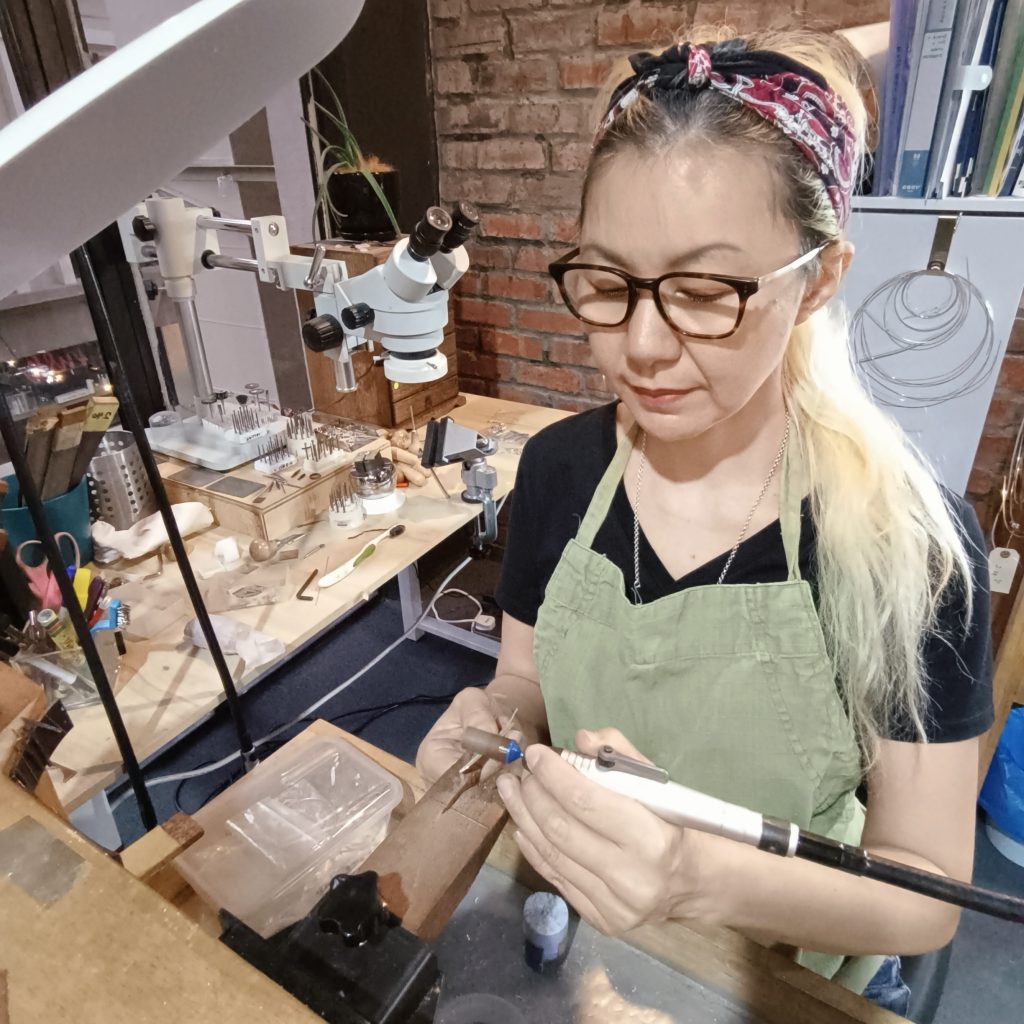
With each piece made with dedication, Koh’s work demands not only physical effort but also significant mental energy to bring it together cohesively. Beginning with an idea, she sketches, refines, and then lets the material guide the project.
“Silver, in particular, has its own character. It moves, softens, and resists, and learning to work with those qualities rather than against them is part of the craft.”
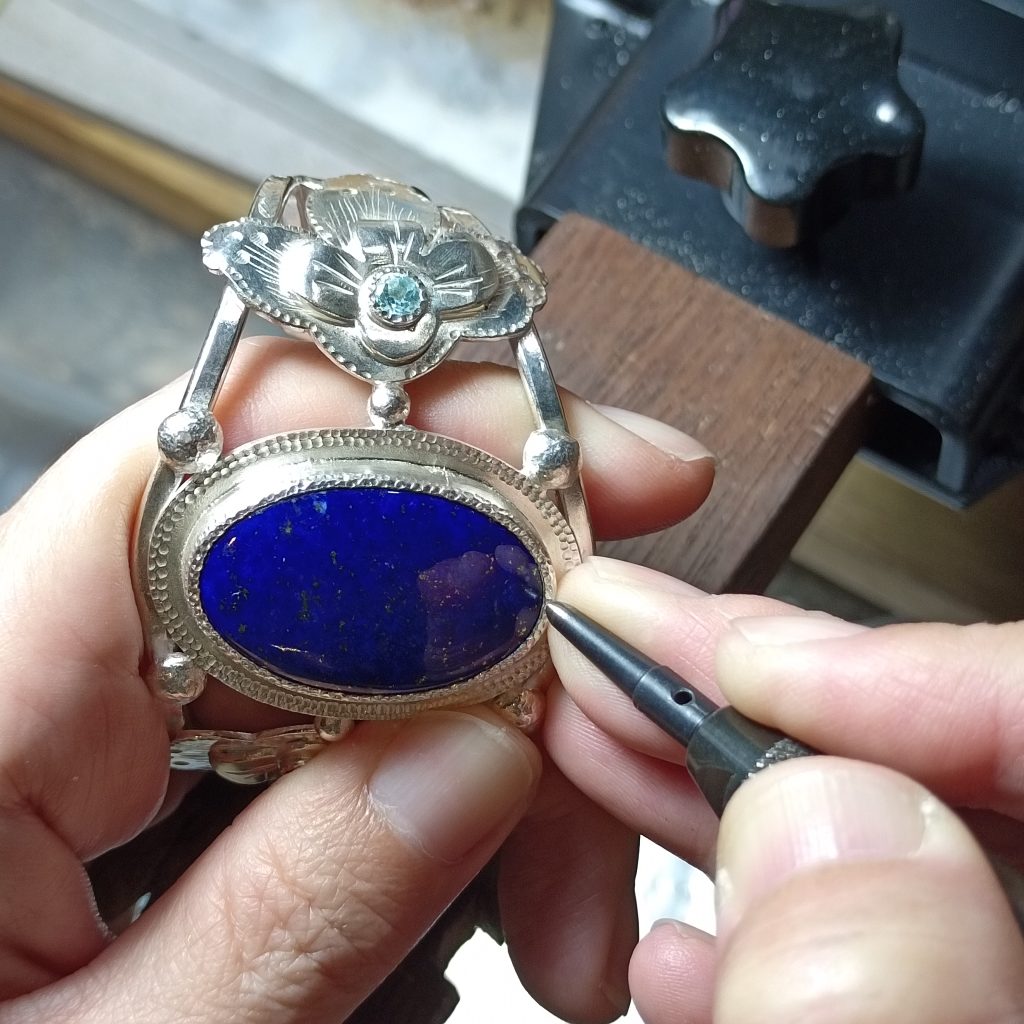
From hand sawing and soldering to sanding, texturing, polishing, and sometimes stone setting, every stage calls for a different kind of attention and focus. What often goes unseen is the constant decision-making throughout the process.
“The finished piece is not the result of a single good idea, but of hundreds of deliberate choices made along the way.”
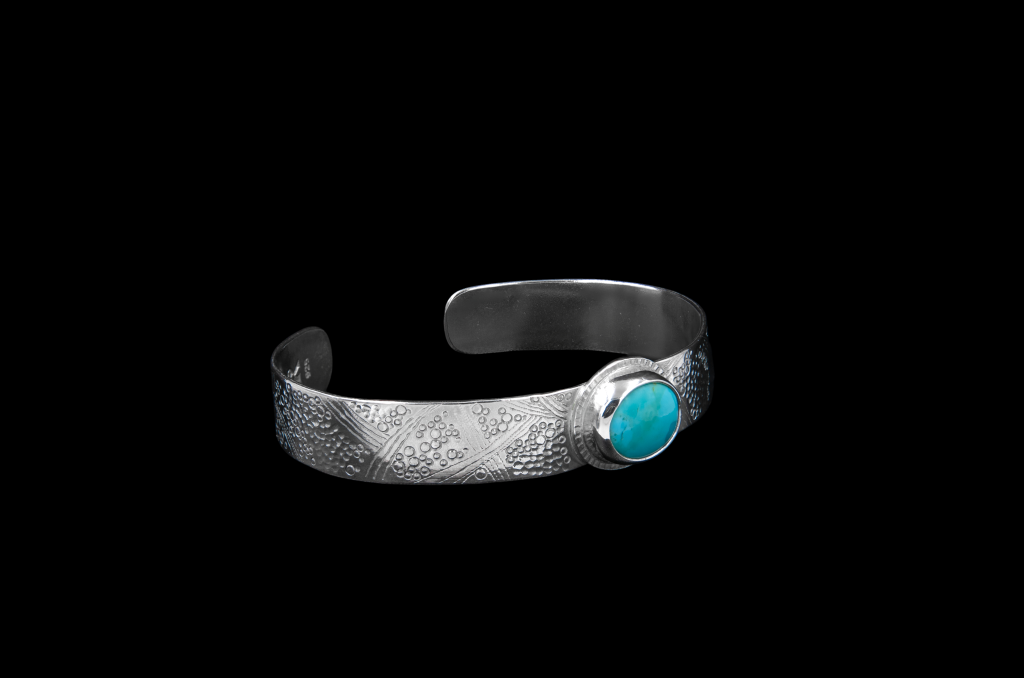
As a metalsmith, Koh works mostly with sterling silver (925). She also uses brass and copper to build prototypes, and occasionally gold, depending on the piece. Gems, semi-precious stones, and crystals are used to complement the design.
Each material is chosen with precision and purpose, earning its place in the piece rather than serving as mere decoration. To her, this is crucial, as she weaves these elements into Peranakan culture.
Instead of replicating traditional designs, Koh approaches Peranakan motifs with restraint. Traditional Peranakan jewellery is often ornate and dense in pattern, but her process begins with reduction rather than embellishment. Motifs are stripped to their essence, allowing flora and fauna to appear quieter, more refined, and suited to contemporary wear.
“It’s not about replicating the past. It’s about translating it in a way that feels relevant today, while still respecting where it comes from,” she added.
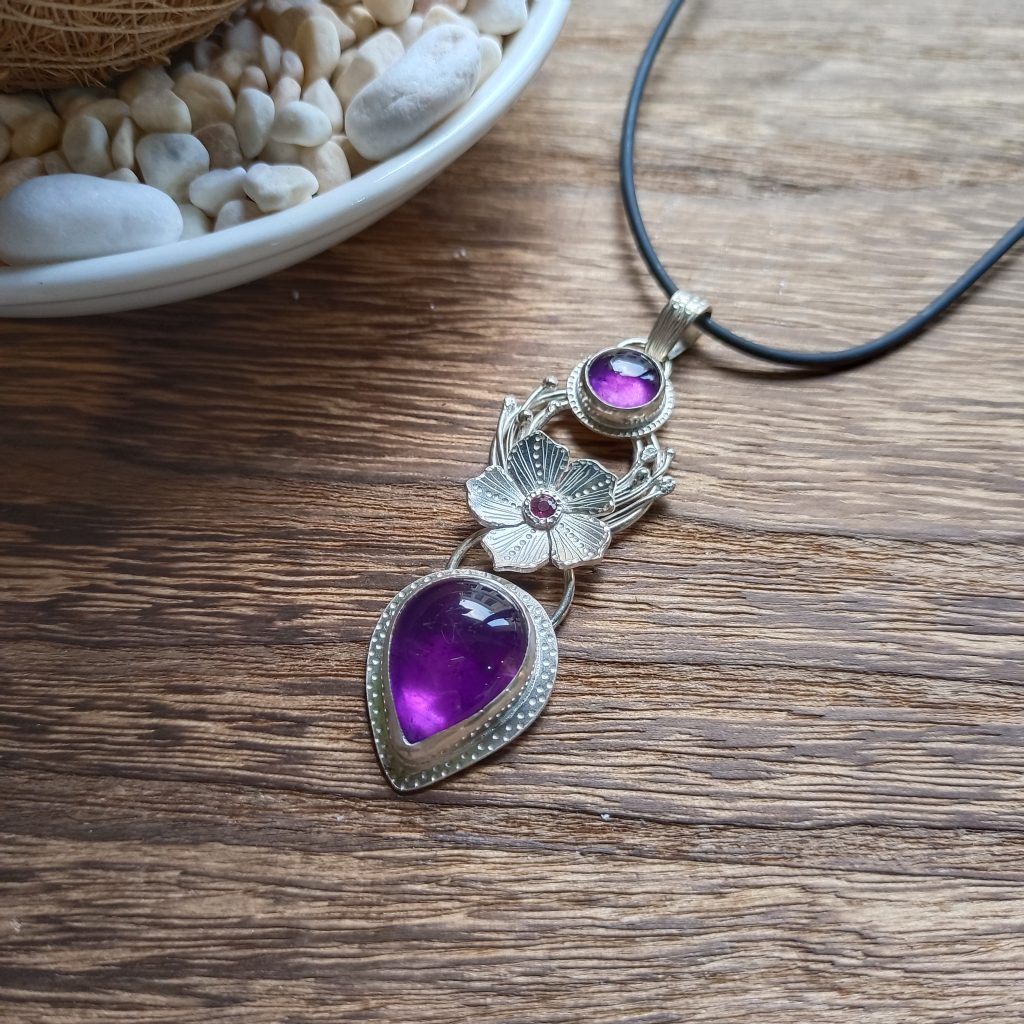
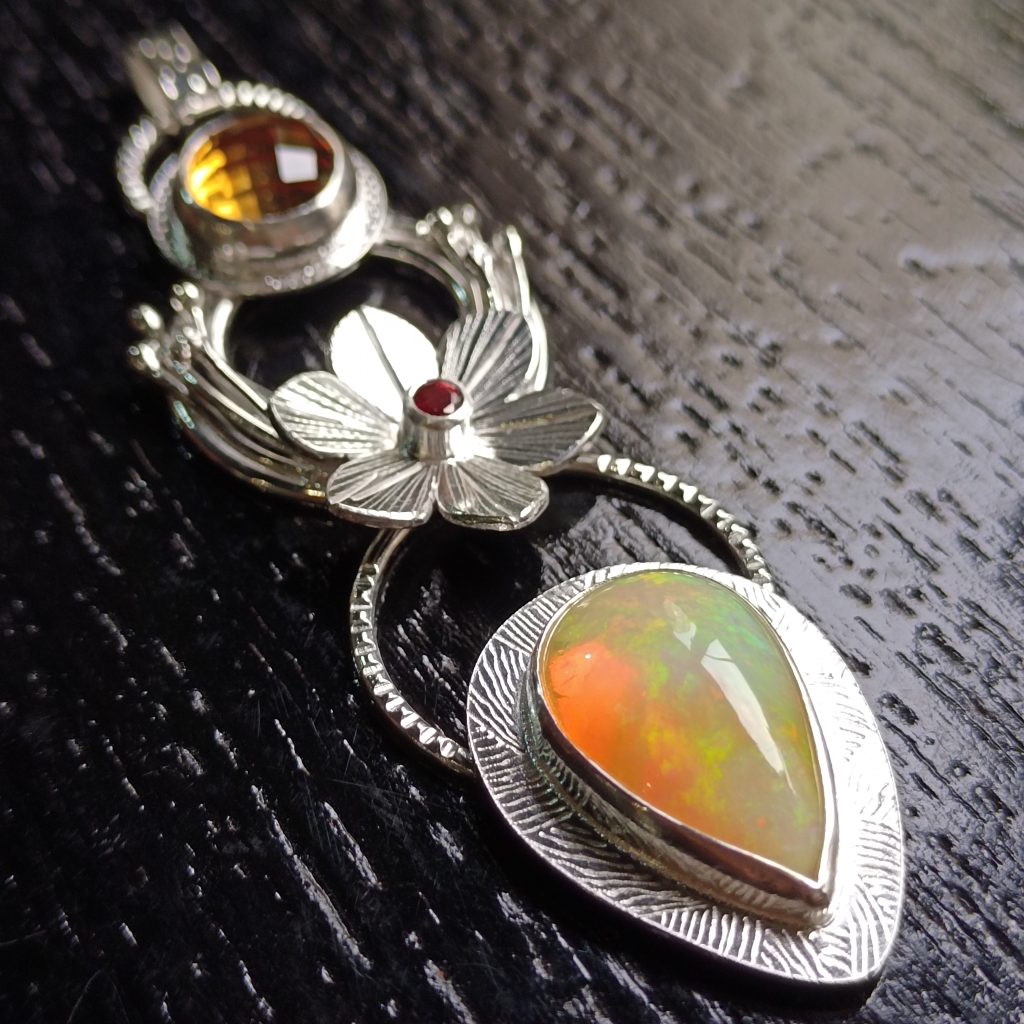
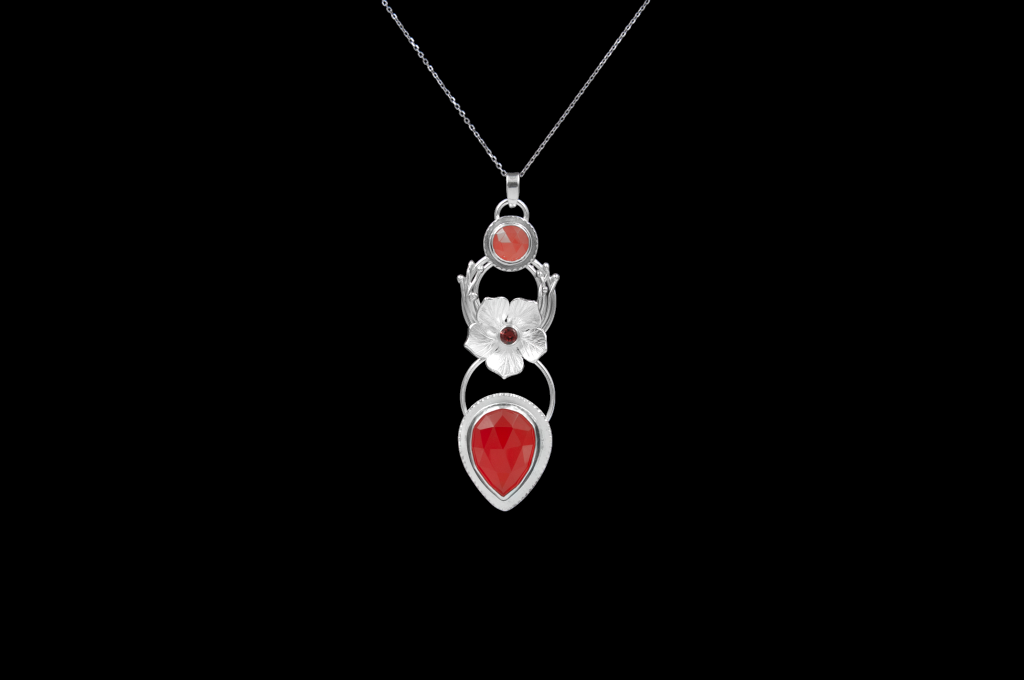
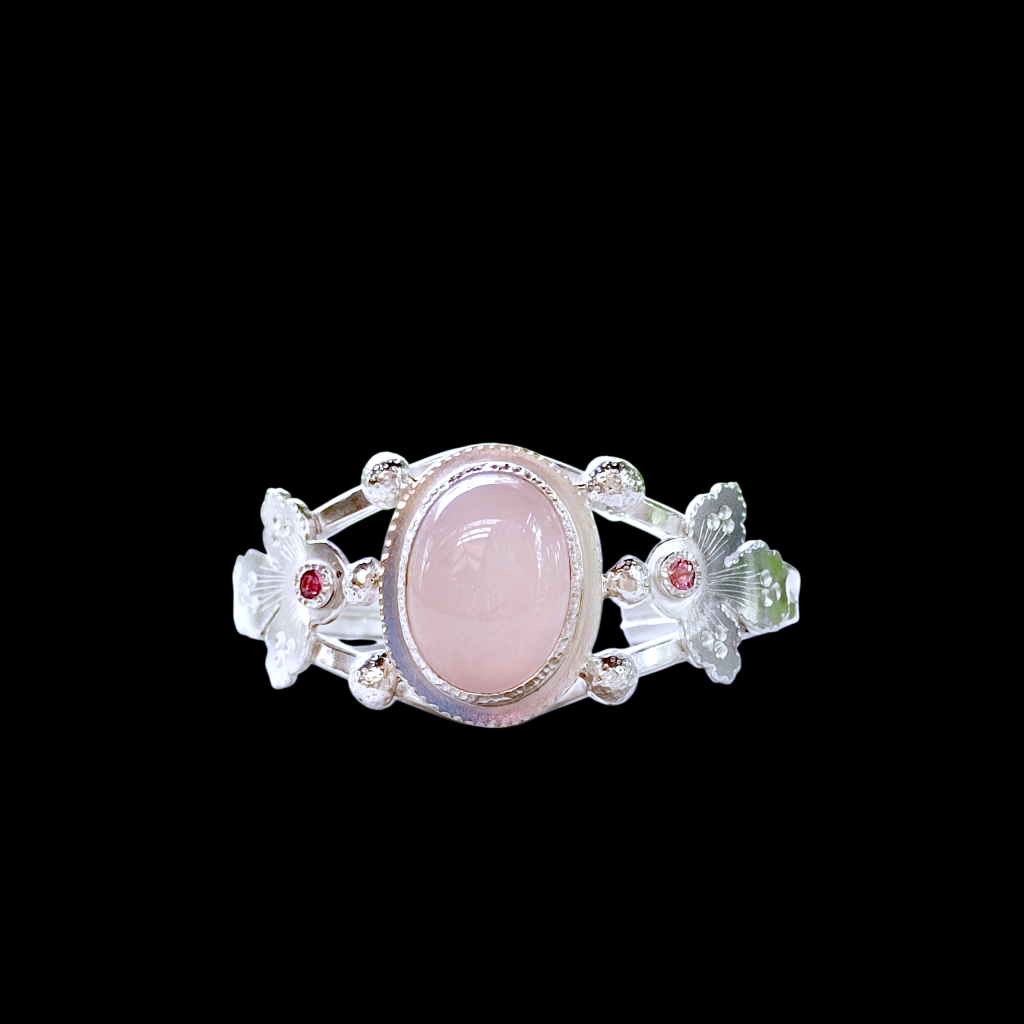
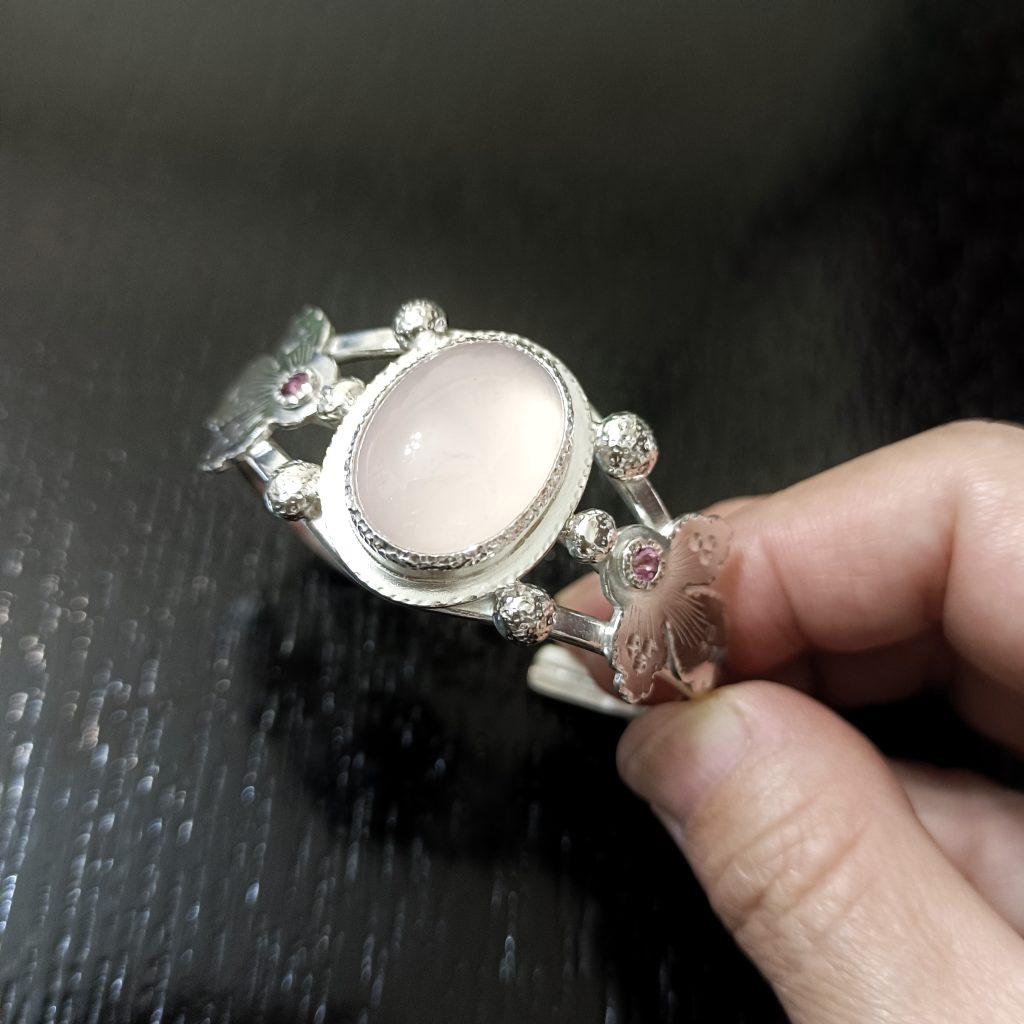
This philosophy is evident in her Eternal Flora Collection, inspired by floral motifs long associated with Peranakan visual culture. Instead of direct reproduction, Koh simplifies forms and introduces negative space as a deliberate design element. The result is a piece that carries cultural memory without being weighed down by it.
For Koh, design represents balance — holding on to heritage while leaving room for growth, reinterpretation, and the emergence of her own voice.
When asked about the current appreciation for handmade, heritage-rooted craftsmanship, Koh believes interest is growing, though often only at a surface level. While many love the idea of handmade, not everyone understands the time, skill, and cost behind it.
“That said, I do see a shift. More people are asking questions. They want to know who made a piece, how long it took, and why it costs what it does. That curiosity is important. It’s the first step toward real appreciation,” she said.
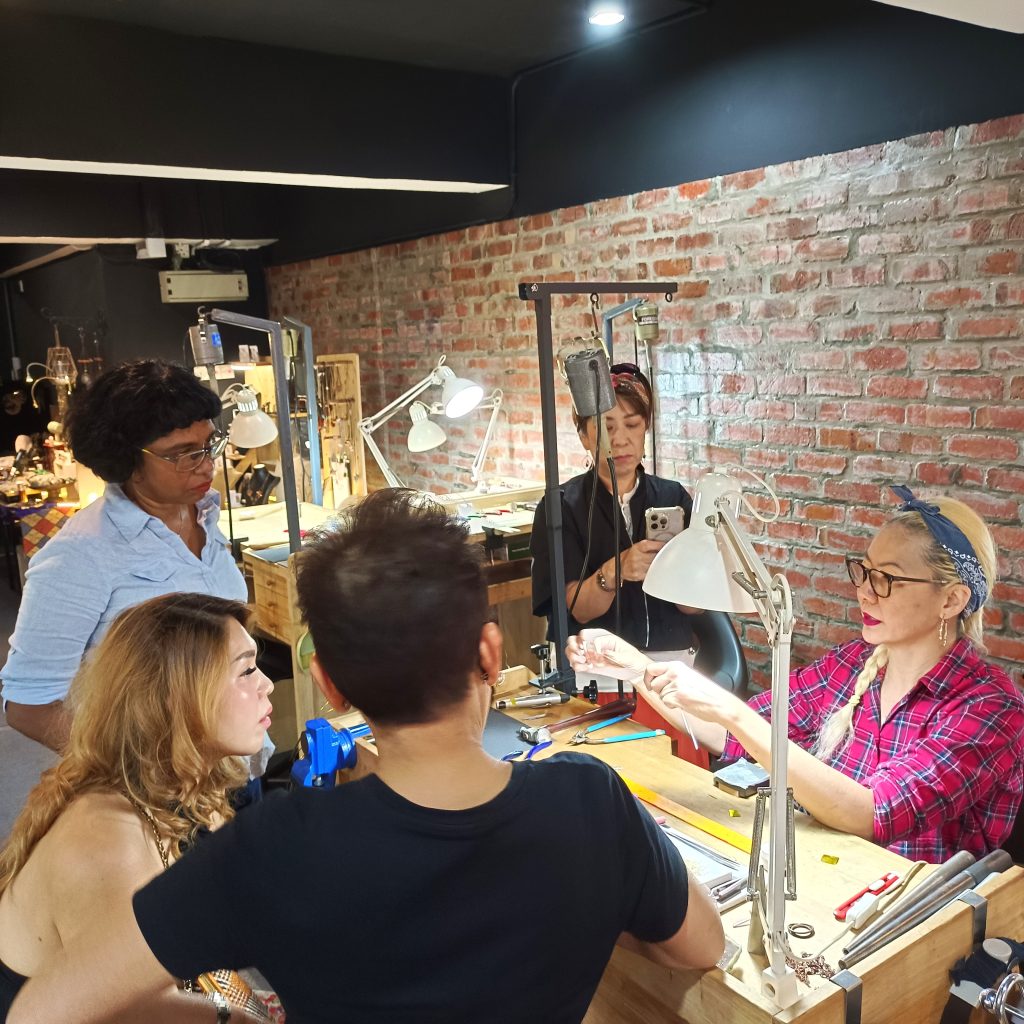
At her studio in Kuala Lumpur, she offers Peranakan Workshop series to allow people to experience the effort behind a piece. This, she reveals, helps people understand that craft doesn’t survive through objects alone; it needs hands to endure.
“Markets and pop-ups are equally important. When people see me metalsmithing on the spot, it builds credibility. It answers questions before they’re even asked. It reminds people that these skills are real, current, and alive. It helps build awareness of what goes into a truly handmade piece.”
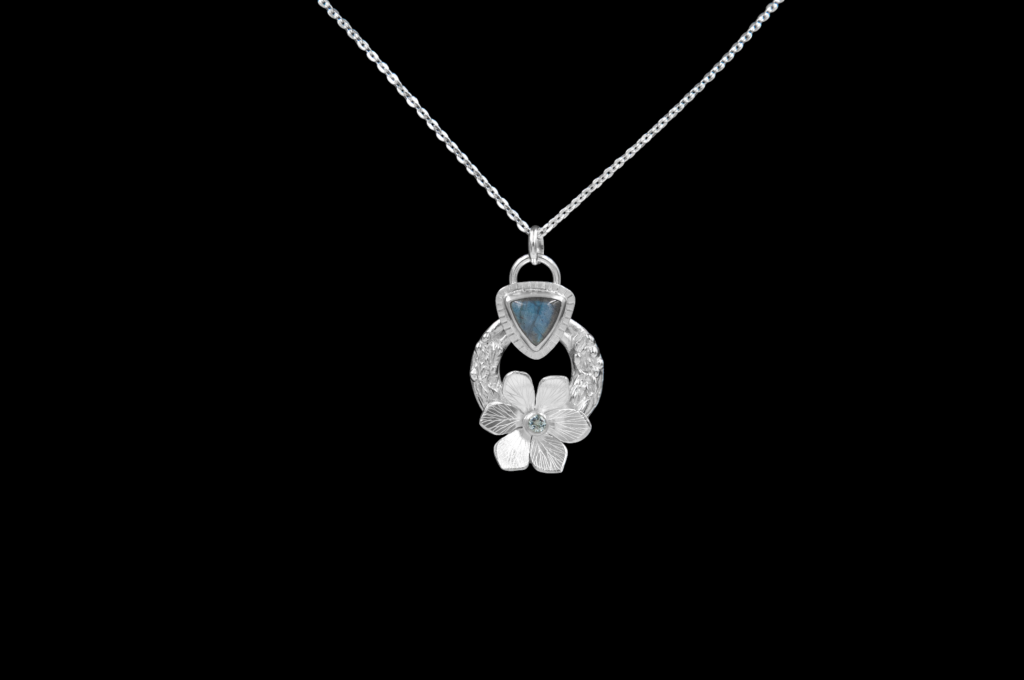

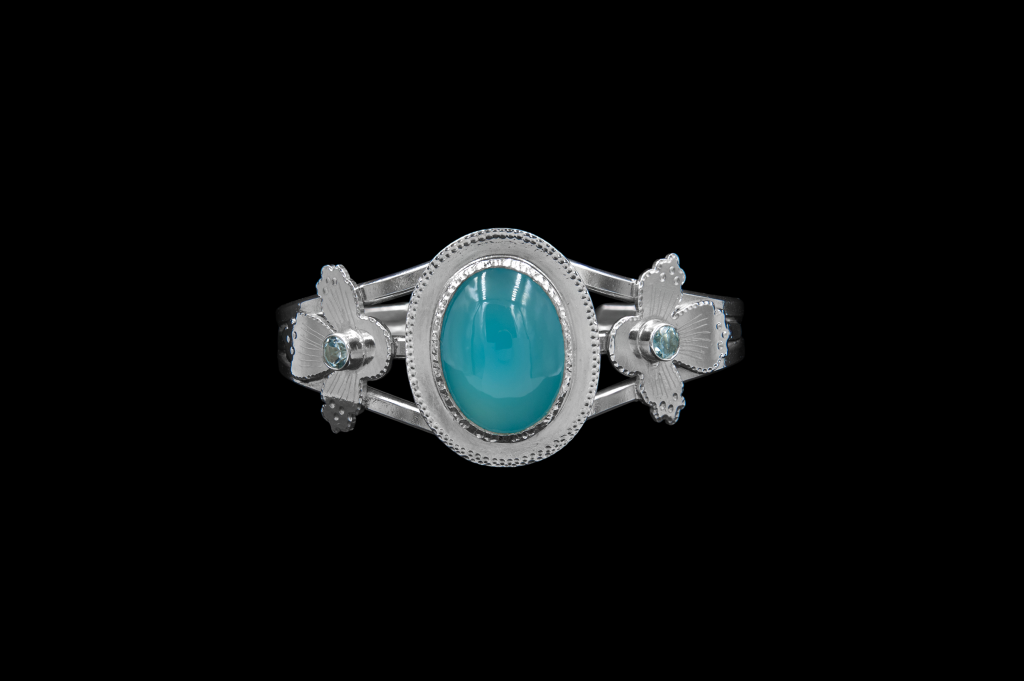
Dedication and perseverance
Sharing the challenges of metalsmithing, Koh explained that it can be physically demanding and mentally exacting. Mistakes are costly, and the process of filing, soldering, and sanding cannot be rushed. She explained that if filing isn’t done well, the jewellery becomes uncomfortable for wearers.
To overcome this, she learned to respect the process.
“Experience teaches you patience, but discipline keeps you consistent. I also accept that some days are for making, and some days are for correcting. Both are part of the craft.”
Though metalsmithing has historically been male-dominated, female metalsmiths are increasingly claiming technical authority and creative leadership.
“There is often an assumption that physical strength matters more than technique, or that women focus on aesthetics but not technical skill. Those assumptions fade once people see the work, but they exist,” said Koh.
Nevertheless, the work grounds her, as working with metal forces you to slow down and be present. In doing so, she found a deeper connection to her heritage — not as something distant or symbolic, but as something lived and practiced.
Today, she works at her studio JK Gems in Kuala Lumpur, bringing herself back to her childhood days of crafting amidst traditional values. Through her jewellery, Peranakan culture is not preserved as a static memory, but carried forward through hands, materials, and process. It is lived, worn, and reinterpreted — proof that heritage endures when practiced with intention, not when merely remembered.