“When the trees are gone, so too is our medicine.”
– Penan villager
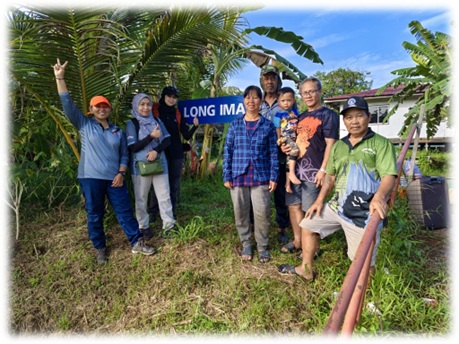
THE longboat glided steadily along the Melinau River, its engine breaking the silence of the morning. Nearly 50 minutes from the Mulu Marriott Resort and Spa, the dense forest began to part, revealing a small riverside settlement. This was Kampung Long Iman, home to the Penan Selangui, one of Sarawak’s indigenous communities.
Though close to the globally renowned Mulu National Park, known for its towering limestone caves and UNESCO-listed rainforest, Long Iman feels like stepping into another world. Here, life moves to the rhythm of the river, the songs of cicadas, and the whisper of the trees.
A Forest That Heals
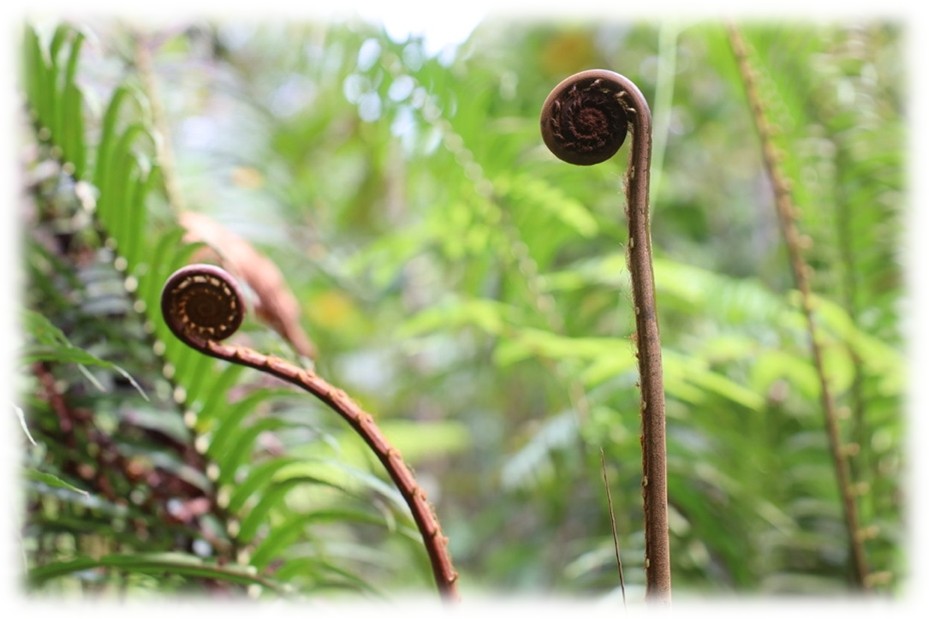
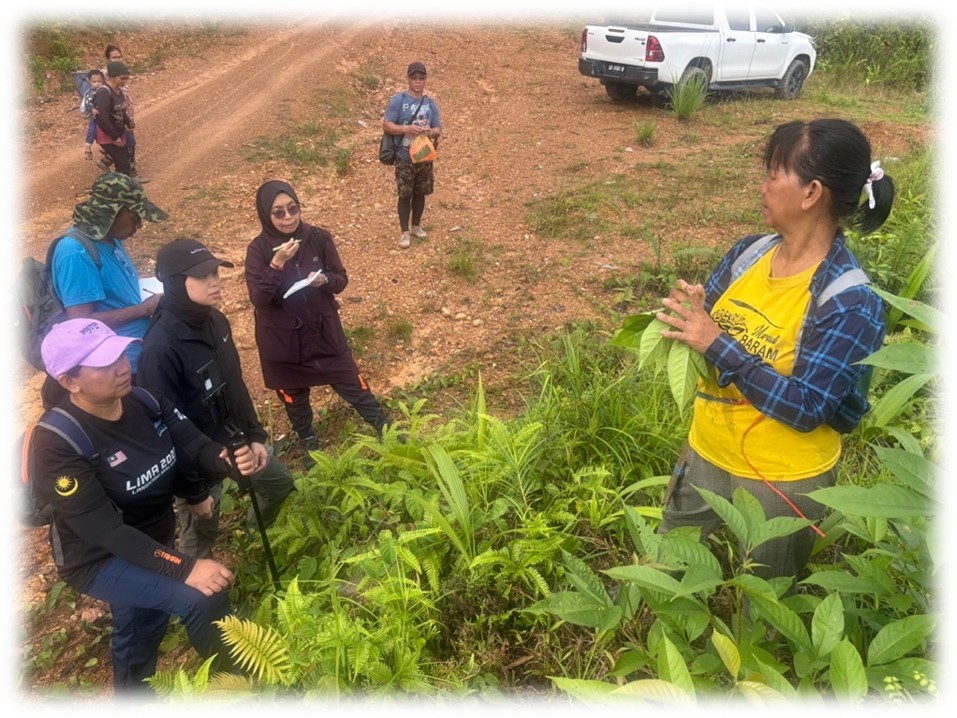
For the Penan Selangui, the rainforest is more than scenery – it is a living pharmacy, pantry, and spiritual sanctuary. Modern medical facilities are distant, and travel is costly. Instead, their health and wellbeing are secured by knowledge passed carefully through generations: the art of using plants to heal.
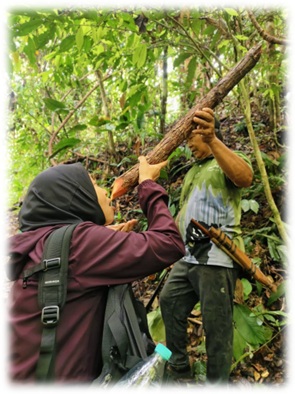
A tree trunk may be cut to release clear, fresh water, a lifesaver during long treks. Leaves are crushed and applied to reduce fever. Bark is boiled to ease stomach pain, while roots are brewed into bitter teas for kidney stones or body aches. Each plant carries a purpose; each remedy carries a story.
One elder demonstrated by plucking a leaf and rubbing it between his palms.
“Smell,” he urged. The fragrance was sharp and cooling. “For flu.”
In that moment, we were reminded that the rainforest is a library of medicine, but one that requires listening, memory, and respect.
Fragile Knowledge in a Changing World
Yet this wisdom is fragile. Many younger Penan are drawn toward towns, modern education, and wage-based jobs. With them, the thread of oral tradition risks being broken. Each elder who passes without sharing their knowledge is like losing an entire volume from this unwritten library.
The elders of Long Iman are aware of this. They harvest plants sparingly, never taking more than they need. To them, sustainability is not a policy – it is survival. Yet they worry: Will our children remember? Will they still know which bark cures, which leaf protects, which tree feeds?
More Than Medicine
Healing here is not confined to the body. Plants are also woven into rituals, beliefs, and protection practices. Certain leaves are burned to ward off negative spirits; others are carried as charms when traveling deep into the forest. The act of healing is holistic, binding the physical with the spiritual, the individual with the environment.

This stands in contrast to modern healthcare, where pills and prescriptions are often disconnected from their natural origins. In Long Iman, health is not bought – it is cultivated through a relationship with the land.
Lessons in Sustainability
The story of the Penan Selangui is not just cultural – it is environmental and global. As the world faces climate change, biodiversity loss, and unsustainable consumption, Long Iman provides a living example of resilience:
- Take only what you need. The Penan never strip an area bare; they harvest mindfully so the forest can regenerate.
- Respect the source. Every plant is part of a larger system. Overharvesting one can damage many others.
- Value knowledge as much as resources. Protecting biodiversity is not just about saving species – it is about preserving the wisdom of how to use them responsibly.
These practices, born out of necessity, align closely with today’s global sustainability goals. They show us that the solutions we search for in conferences and policies often already exist in communities who have lived sustainably for centuries.
Walking Away with Gratitude
As we prepared to leave Long Iman, the sight was humbling: children playing by the river, elders weaving baskets, smoke drifting from a kitchen fire. Life here may be simple, but it carries a wisdom that modern society urgently needs.
The rainforest still speaks in Long Iman – through leaves that heal, roots that strengthen, and rivers that nourish. The challenge for us is whether we choose to listen.
If we do, perhaps we will not only rediscover remedies for illness but also find healing for our fractured relationship with the Earth.
The views expressed here are those of the writer and do not necessarily represent the views of Sarawak Tribune. The writer can be reached at ab_fauziah@upm.edu.my.
Did You Know: Medicinal Plants of the Penan Selangui
- Tree Water: Certain trees store clean water in their trunks. When cut open, they provide fresh drinking water in the middle of the forest.
- Anti-Fever Leaves: Crushed leaves are applied to the body or brewed into tea to help reduce fever.
- Kidney Stone Remedy: Roots of selected plants are boiled into a bitter decoction, taken to relieve the pain of kidney stones.
- Herbal Painkiller: Bark from specific trees is simmered and drunk to ease body aches after a long day of work.
This is just a glimpse of a vast knowledge system – one that blends science, spirituality, and survival.