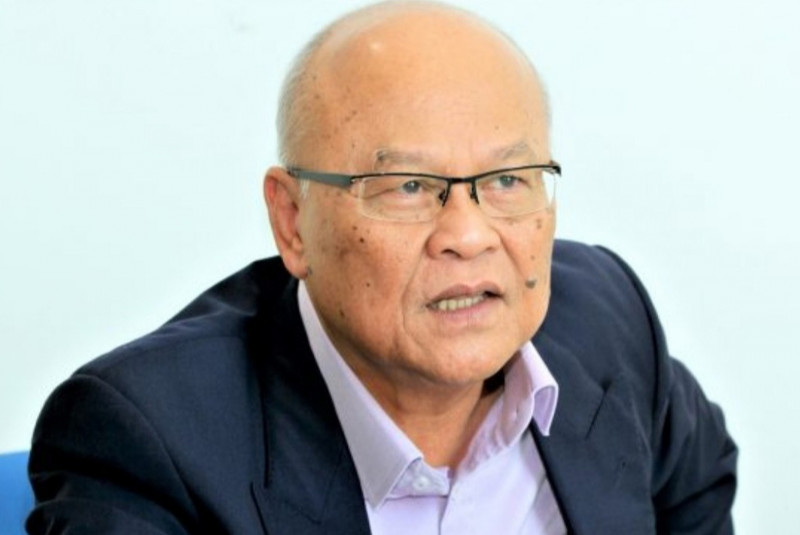
KUCHING: Sarawakians should carefully assess Gabungan Parti Sarawak’s (GPS) track record in governing the state as they prepare to cast their votes in the coming Sarawak general election.
Political pundit Datuk Peter Minos argued that the coalition’s development achievements and efforts to safeguard Sarawak’s rights and interest under the Malaysia Agreement 1963 (MA63) should be key considerations in deciding the state’s political future.
He said the challenges facing Sarawak went beyond infrastructure development and economic growth, stressing that protecting the state’s oil and gas resources and securing greater financial entitlements were equally important.
“The more we look around, the more we are convinced that only GPS has the ability and capability to look after Sarawak,” he said.
Minos questioned the opposition’s preparedness to govern the state, claiming that its political approach had largely centred on criticising the government rather than presenting a convincing alternative administration.
“With respect, we cannot rely on the opposition to lead Sarawak. They have never prepared to run Sarawak and only endlessly pick faults with others and attack their opponents. That is all they ever do,” he said.
He maintained that GPS had been pursuing Sarawak’s economic development while simultaneously defending its constitutional rights and interests, particularly in negotiations involving MA63 and the state’s oil and gas resources.
Minos also questioned what he described as the opposition’s lack of involvement in these matters, saying Sarawak’s rights and entitlements were too important to be left to a single political coalition.
“Where was the opposition when GPS was fighting tooth and nail over MA63 and Petronas? On these vital interests, the opposition has been silent and cannot be bothered, leaving everything to GPS,” he said.
He stressed that securing a greater share of revenue from Sarawak’s oil and gas resources was crucial to financing development, particularly in rural areas where infrastructure and basic facilities remained important priorities.
“Petronas cannot forever get 95 per cent of the benefits from our oil and gas. We must continue the fight until we secure at least 20 per cent through GPS. That was the figure unanimously agreed upon by our DUN,” he said.
Minos said the struggle for Sarawak should therefore encompass not only roads, bridges, utilities, public facilities and economic development, but also the protection of its rights under MA63 and a fairer share of its natural resource wealth.
He said GPS had played its part in pursuing these interests, while accusing opposition parties of failing to speak up on issues he considered fundamental to Sarawak’s future.
“The least we expect the opposition to do is speak up for Sarawak on these vital issues. But they have chosen to remain silent,” he said.
Minos added that the opposition’s perceived silence and focus on what he regarded as less consequential political disputes had undermined public confidence in its ability to safeguard Sarawak’s interests.
He said these considerations should form part of the electorate’s assessment as Sarawakians prepare to decide the state’s political direction in the coming election.