KUCHING: The 11th International Conference on Low Carbon Asia (ICLCA 2025) marked another milestone in Sarawak’s journey towards sustainable and low-carbon development.
The event, hosted by Universiti Malaysia Sarawak (UNIMAS) in collaboration with the Ministry of Utility and Telecommunication Sarawak (MUDeNR), the Ministry of Energy, Environment and Sustainable Transformation (MEESTy), and Universiti Teknologi Malaysia (UTM), gathered experts, researchers, and policymakers from around the world to discuss the future of clean energy and low-carbon innovation.
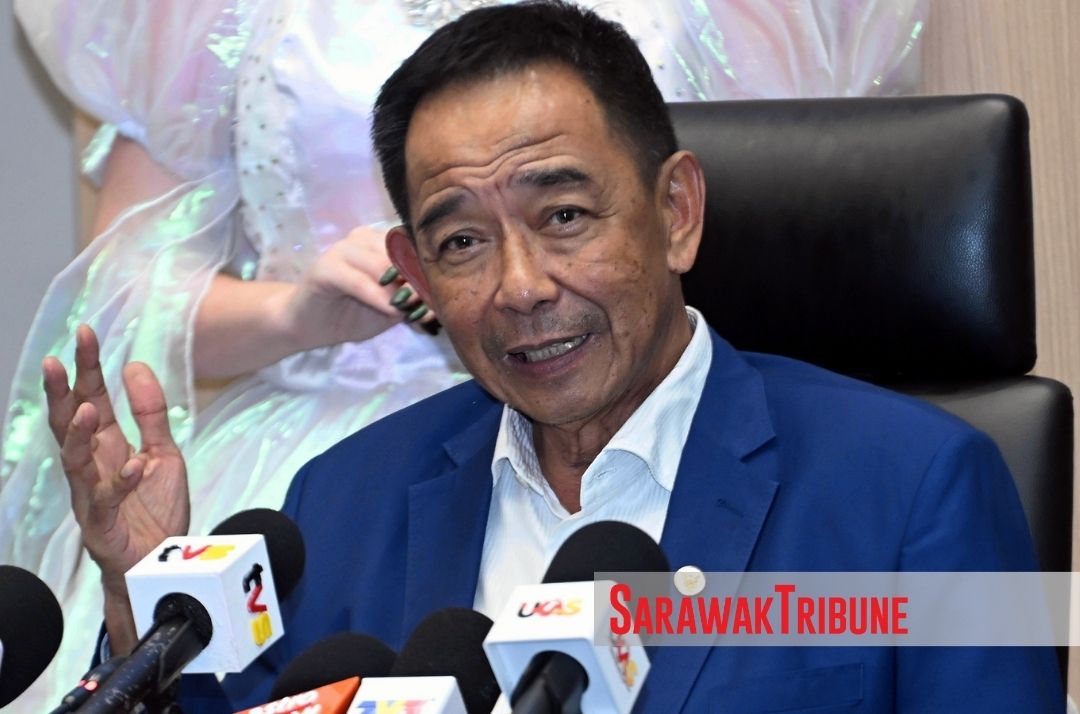
In his closing speech, Deputy Premier Datuk Amar Awang Tengah Ali Hasan congratulated the organisers for successfully hosting an impactful event that fostered international collaboration and innovation.
“Over the past few days, we have witnessed an inspiring exchange of ideas, technologies, and strategies,” he said.
“Experts from across the globe have come together to explore how innovation, when grounded in engineering excellence, can lead to scalable low-carbon solutions for sustainable development.”
Awang Tengah said this in his closing speech for the ICLCA 2025 today at the Hikmah Exchange Event Centre.
He emphasised that the global transition to sustainability is not merely an ambition but a “technical, economic, and moral imperative”, calling for precision, discipline and collaboration in its implementation.
He noted that under the leadership of the Premier of Sarawak, the state has charted a clear course toward net-zero emissions by 2050, guided by the Sarawak Energy Transition Policy (SET-P) and the Sarawak Sustainability Blueprint 2030.
“Currently, more than 60 per cent of Sarawak’s electricity is generated from hydropower, reflecting the state’s success in decarbonising its energy sector.
“Alongside hydropower, the state is developing green hydrogen projects, advancing carbon capture and storage (CCS) initiatives, and has become the first in Malaysia to enact climate legislation through the Environment (Greenhouse Gas Emissions Reduction) Ordinance 2023,” Awang Tengah said.
He also stressed the importance of advancing the circular economy, with Waste-to-Energy and integrated waste management as key pillars of Sarawak’s low-carbon transition.
He commended UNIMAS, particularly The Institute of Sustainable and Renewable Energy (ISuRE), for its leadership in research, notably the ongoing Study on Integrated Waste Management Masterplan for Sarawak, developed in partnership with Chemsains and the Bintulu Development Authority (BDA).
“These collaborations exemplify Sarawak’s holistic approach that unites academia, industry, and government to accelerate sustainable progress while ensuring that the state’s energy transformation remains just and equitable benefiting all communities, including rural and indigenous groups, local entrepreneurs, and youth,” he added.