THE Chinese Martial Art Association (CMAA) continues to see steady demand for its lion dance performances this Chinese New Year, backed by a loyal client base built over more than five decades.
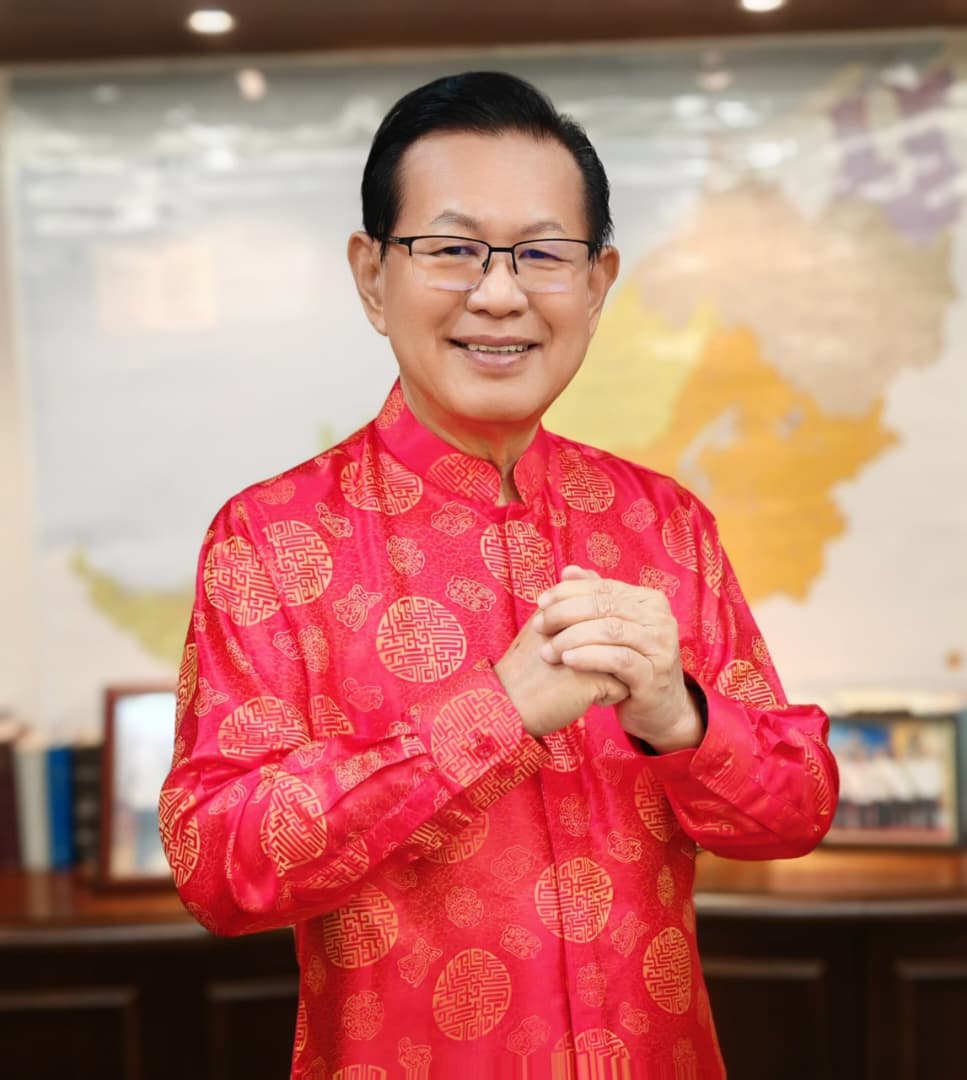
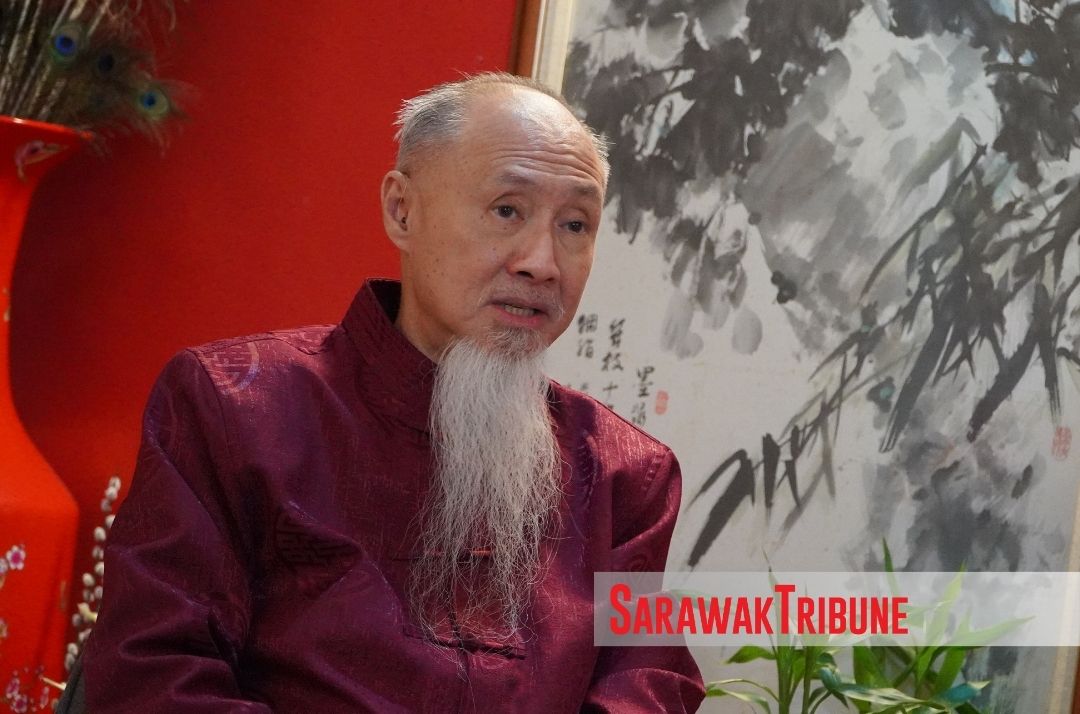
Its president Chester Lim Hian Thoong said the association’s booking list has remained consistent year after year.
“For an association that has been in the market for more than 50 years, our list is quite settled. Every year, perhaps five to 10 per cent may cancel due to travel or other commitments, but those vacant slots are quickly taken up by new enquiries,” he told Sarawak Tribune in an interview.
On average, CMAA covers between 60 and 80 residences throughout the Chinese New Year season, in addition to commercial and corporate engagements.
Lim explained that lion dance remains popular not only for its vibrant spectacle but also for its deep cultural symbolism. It is widely believed to ward off evil spirits, attract positive energy and usher in good fortune and prosperity. Beyond the performance itself, lion dance embodies discipline, dedication and strong team coordination, projecting positive values that resonate with the wider community.
“It becomes a shared spirit and hope for betterment and advancement,” he said, adding that these qualities make lion dance a fitting highlight for any auspicious occasion.
With the festive period being the association’s busiest time of the year, careful logistical planning is crucial. Lim said schedules are arranged according to areas to ensure smooth travel and maximise time efficiency.
“As far as possible, we arrange the schedule according to areas so that travel is smooth and time is not wasted. If manpower permits, we split into Team A and Team B to cover more ground efficiently,” he said.
During the first few days of Chinese New Year, the most critical period for the association, Lim said a team may visit up to 16 houses a day. He said all team members, including coaches and officials, serve on a voluntary basis. Many are students or working adults who commit their time part-time.
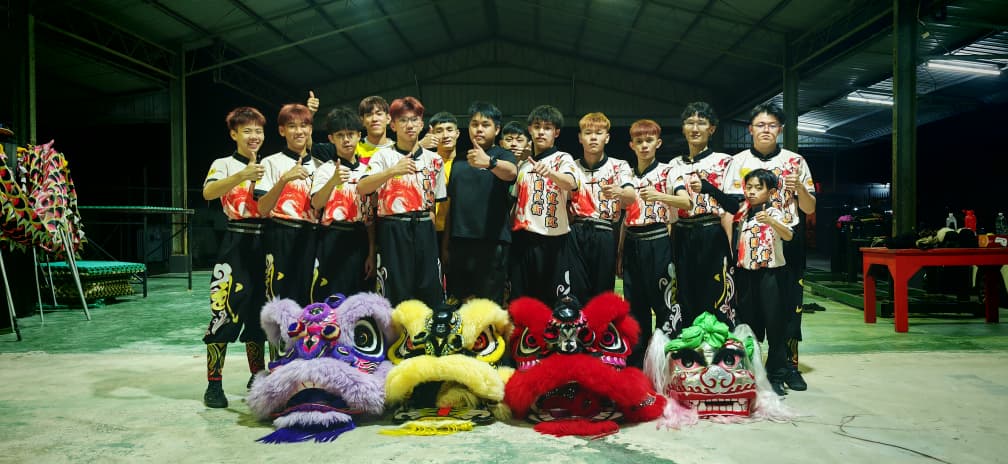
“We have to provide a reasonable token allowance for their time and effort. Like salaries, the rate has to increase over the years. So the association must generate enough income to sustain the team,” Lim said.
He added that generous well-wishers and sponsors often help defray costs such as transport, costumes, equipment, rental of training centres and other overheads.
According to Lim, CMAA does not impose a fixed annual increment for regular residential clients. Instead, many long-time supporters voluntarily increase their contributions over time.
“Some started by giving RM200, now they give RM800. Some started at RM500, now RM1,000. We never demand it — they increase it based on their generosity,” he explained.
For commercial premises or special auspicious occasions, fees are quoted based on requirements, including the number of lions or dragons and the type of performance requested.
“If a client wants four lions and two dragons, we calculate according to the manpower and preparation needed. Business owners understand the costs involved and are generally supportive,” he said.
Founded in 1974 by Master Law Kaw Chai, CMAA is now in its 52nd year. Lim, who joined the association at age 16 the same year it was established, has since risen through the ranks to become its president.
He is also founder president and advisor of the Sarawak Dragon-Lion Dance & Wushu Association, which is affiliated to the Dragon and Lion Dance Federation of Malaysia and recognised under the Olympic Council structure. Dragon and lion dance is competed as a sport in the Asian Indoor Games.
Since 2015, he said CMAA has actively conducted school outreach programmes in collaboration with the Ministry of Youth and Sports and the Ministry of Education, expanding participation across Kuching, Kota Samarahan, Betong, Mukah, Sibu, Sarikei, Bintulu and Miri.
Participation is increasingly diverse, with strong involvement from Malay and Dayak students, particularly in rural areas.
“In Mukah, about 80 per cent of participants are Malays and Dayaks. Lion dance is no longer a closed-door activity or confined to one community. It is now viewed as a heritage cultural sport,” Lim said.
He noted that in the past, entry into lion dance troupes depended heavily on a master’s personal acceptance. Today, structured training, standardised rules and regular workshops for coaches and adjudicators ensure professional development at state, national and international levels.
Lim said Sarawak has taken a proactive approach in promoting dragon and lion dance as both a heritage and competitive sport, with strong backing from the state government.
Since 2024, the association has organised the Sarawak Open International Dragon and Lion Dance Cup with support from the Ministry of Tourism, Creative Industry and Performing Arts.
Last month, Sarawak representatives were appointed by the Malaysian federation to compete in the Sanya Cup, marking a milestone for the state.
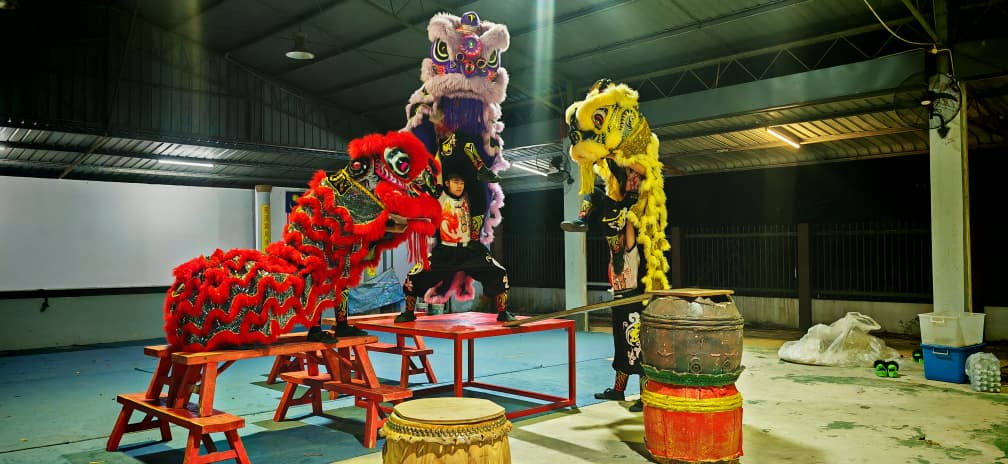
“At the state level, we are proud that the government supports us very well. When we organise international events, they want more countries to participate. It is no longer just about heritage — it has become tourism as well.
“If we do not push ourselves and work together, eventually people will lose interest. I am proud that we have managed to elevate the image of dragon and lion dance in Sarawak to a higher level,” he said.
For the upcoming state-level Chinese New Year celebration at Borneo Convention Centre Kuching (BCCK), Lim said CMAA has also coordinated 100 performers, eight lions and one dragon for the event, describing it as both an honour and responsibility.
Reflecting on his decades-long involvement in sports and cultural organisations, he said the journey has been deeply fulfilling.
“Over the years, we have built something meaningful. I am very happy with how it has developed. What started as a small, closed activity has now become a recognised heritage cultural sport with international reach.”