KUCHING: Kuching Division is poised for a major economic transformation, driven by a university campus investment exceeding RM400 million, strategic infrastructure expansion, and the emergence of high-tech industries set to reshape its economic landscape between 2035 and 2040.
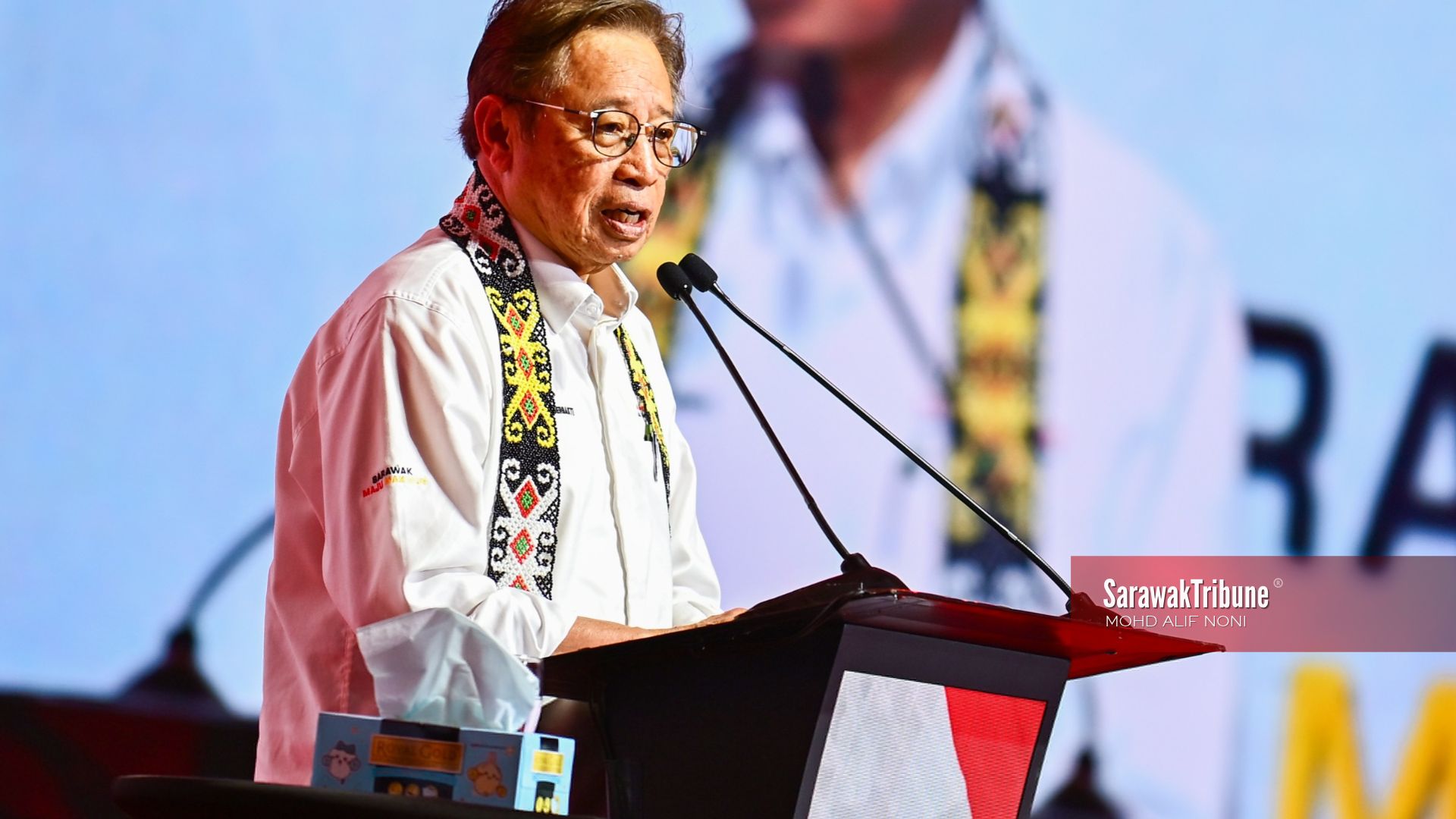
Premier Datuk Patinggi Tan Sri Abang Johari Tun Openg said the transformation would extend beyond the city centre into Matang, Lundu and Bau, unlocking new growth opportunities in education, technology, housing, tourism and healthcare.
Central to this development agenda is an integrated road network linking urban centres with surrounding districts to stimulate investment, economic activities and employment creation.
“Kuching is no longer what it used to be. We will continue developing infrastructure all the way to Lundu, including the Rambungan Bridge, which is expected to be completed next year using Sarawak Government funds.
“Once completed, the bridge will connect Kuching to Lundu and make travelling to tourist destinations such as Sematan and Telok Melano easier,” he said.
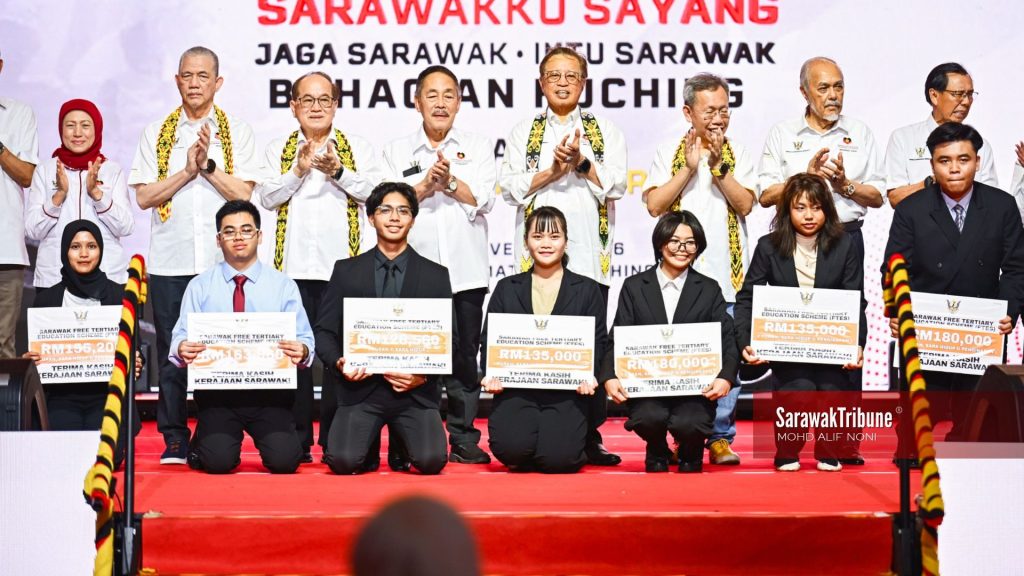
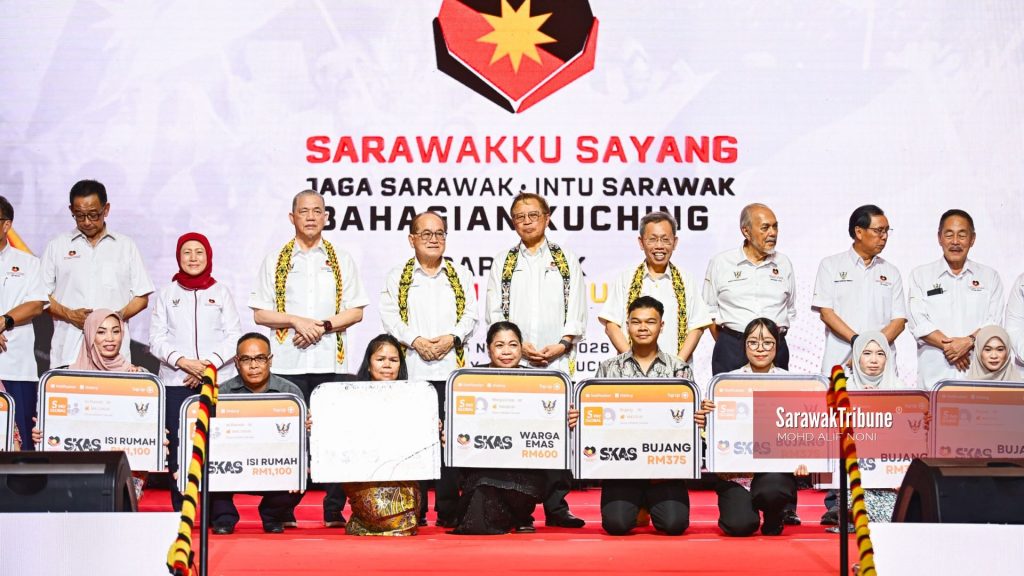
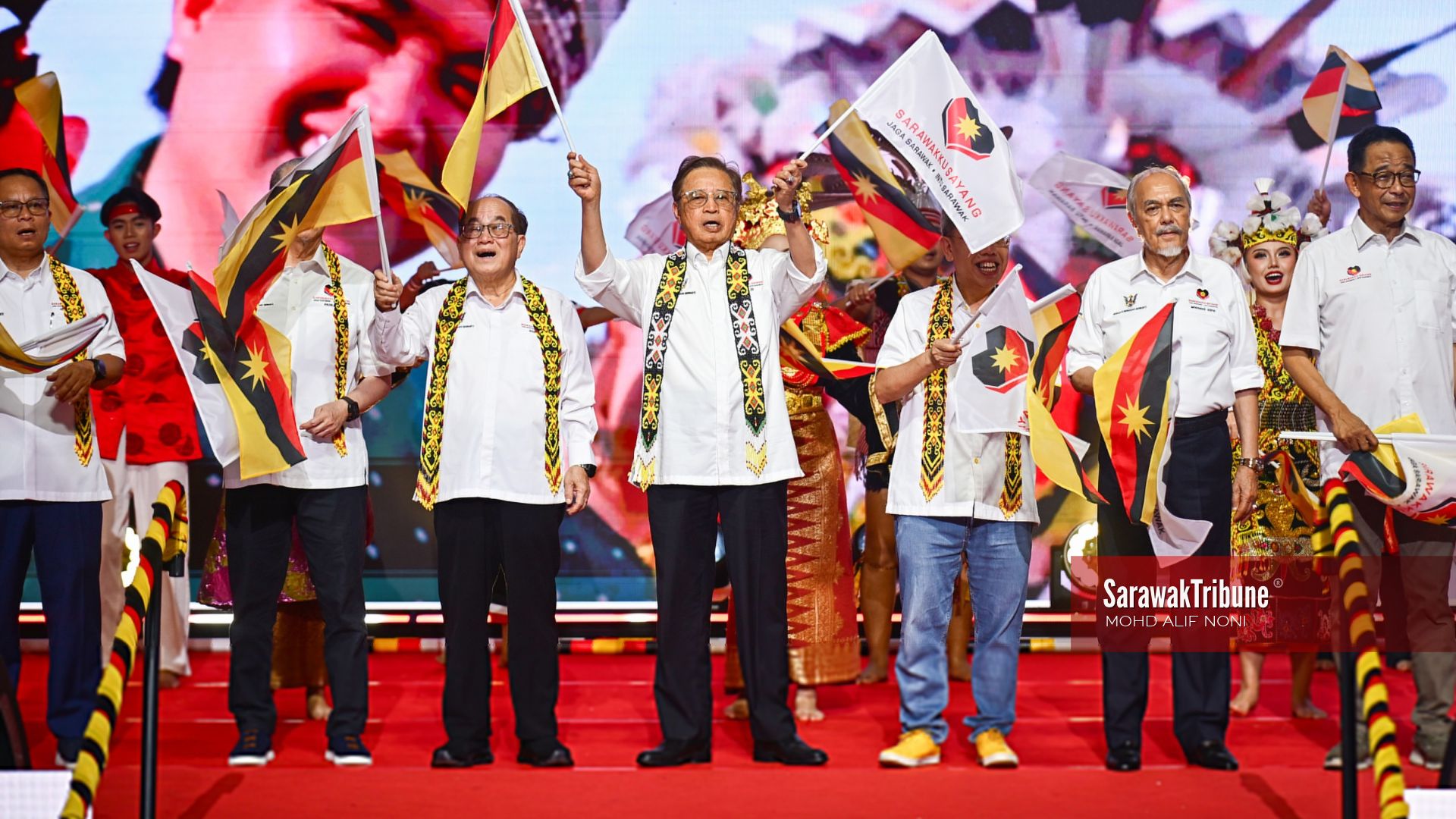
He said this at the ‘Sarawakku Sayang’ (SKS) programme for Kuching Division at MetroCity, Matang, here today.
A key catalyst for the transformation is the development of a new Sarawak Tun Openg University of Technology (TAHOTECH) campus in Trombol, involving an investment of more than RM400 million.
Abang Johari said the full-fledged university campus would accelerate coastal development and stimulate economic activities within surrounding communities.
“We want to develop this university like Universiti Kebangsaan Malaysia (UKM) in Bangi. Once the university is established, Trombol and its surrounding villages will also grow with modern infrastructure,” he said.
Complementing the development is the proposed upgrading of Jalan Malihah to Batu Kawa into a dual carriageway, strengthening connectivity between Kuching, Bau and Lundu while opening new areas for residential, commercial and industrial expansion.
Abang Johari also outlined Kuching’s emerging role as a high-tech industrial hub, distinguishing its economic trajectory from Bintulu’s manufacturing-driven economy.
“New industries such as semiconductors and other high-tech sectors will largely be developed in Kuching. This is different from Bintulu, which has its own focus on manufacturing industries,” he said.
The expansion of these industries is expected to generate thousands of employment opportunities, particularly for engineering and electronics graduates.
Beyond 2030, aviation through AirBorneo and healthcare services are expected to emerge as additional pillars of Kuching’s economic growth.
To accommodate rising population and employment demands, the Sarawak Government will expand affordable housing developments, including existing projects in Sungai Bedaun.
A new road linking Bako and Buntal is also expected to unlock further residential and commercial development, while Samariang, including Semariang Pinggir, has been identified as an emerging growth area supported by more comprehensive facilities.
Meanwhile, Lundu and Bau are set to strengthen their tourism appeal through expanded accommodation facilities and heritage-based attractions.
“Lundu has now become a tourist destination with more hotels, while Bau is also no longer what it used to be and will continue to develop with a Chinese community museum and a gold museum.
“These areas will undergo a transformation, and we will continue upgrading infrastructure throughout Kuching Division for the well-being of the people,” he said.
The integrated development agenda is aimed at positioning Kuching Division as a major technology, education and service-driven economic powerhouse in Sarawak supported by growth in education, infrastructure, housing, industry and tourism over the next two decades.