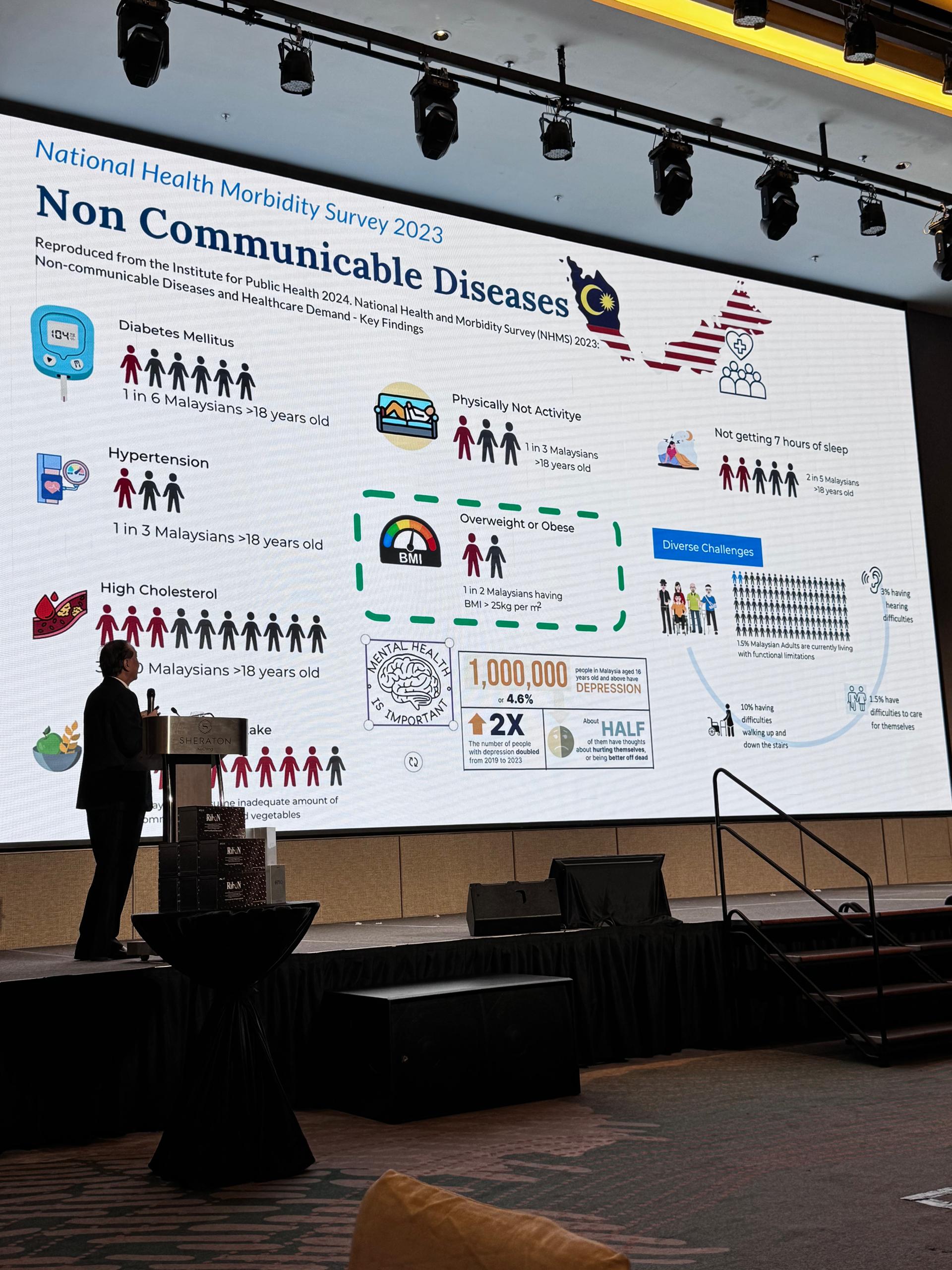
KUCHING: Following the COVID-19 pandemic, Malaysia is shifting its healthcare focus from infectious to non-communicable diseases (NCDs), as statistics reveal that one in six adults lives with diabetes and one in three suffers from hypertension.
Former Health Director-General, Tan Sri Datuk Seri Dr Noor Hisham Abdullah, stated that the greatest current challenge lies in what health authorities term the “three plus one” – diabetes, hypertension, hypercholesterolaemia, and obesity.
Although life expectancy continues to rise, the burden of non-communicable diseases is also increasing.
“In the Ministry of Health, we have been working to shift the focus from curative to preventive measures, which includes maintaining both physical and mental well-being in order to potentially prolong life,” he said.
Citing data from the National Health and Morbidity Survey 2023, he noted that one in six Malaysians aged 18 and above has diabetes, one in three has hypertension, and three in ten have elevated cholesterol levels.
“These challenges are further compounded by low levels of physical activity and increasing obesity rates,” he added.
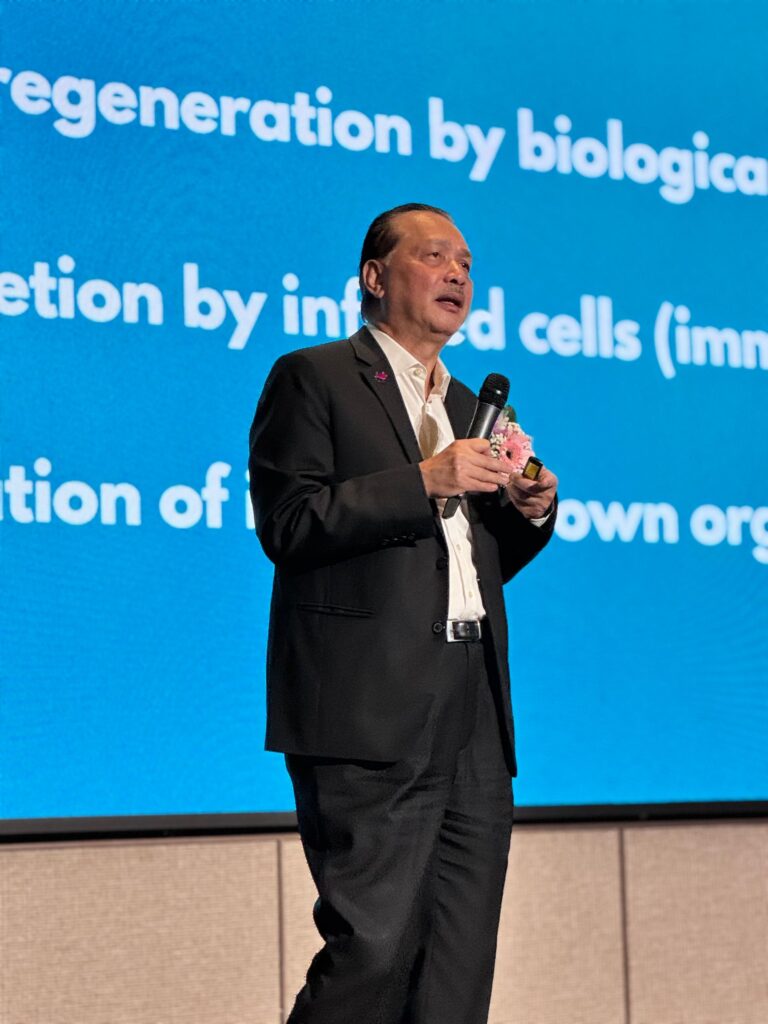
Dr Noor Hisham delivered these remarks during his keynote speech at the Date with Dr Noor Hisham: Harnessing Regenerative Medicine & Biotech for a Resilient Future, held at the Sheraton Hotel ballroom yesterday (21 September).
He highlighted growing concerns over physical inactivity and obesity, noting that one in two Malaysians now has a body mass index (BMI) exceeding 25. If left unmanaged, these conditions could lead to serious health complications.
“Among those aged 60 and above, 50 per cent have at least two comorbidities – commonly diabetes and hypertension,” he said.
“By the age of 70, half the population is expected to have at least three – typically hypertension, diabetes, and hypercholesterolaemia. These are very real and pressing health challenges.”
He stressed that the only sustainable way to reduce reliance on curative healthcare is to enhance preventive strategies.
“With increasing life expectancy, we aim not just for longevity, but for our people to age gracefully and healthily,” he said.
He also emphasised that age-related conditions, such as osteoarthritis, underscore the urgency of building a healthcare system capable of addressing the complex needs of an ageing population.
“That’s why we are working to train more specialists in geriatric medicine and continue shifting our focus from merely managing ageing to promoting preventive care. We want our population to live longer—and healthier—lives,” he added.
Reflecting on demographic trends, he pointed out that since 1950, Malaysia has seen a significant increase in life expectancy—from approximately 40 years for those retiring at 50, to nearly 80 years today.
This improvement is attributed to better healthcare, increased access to hospitals and clinics, a growing number of trained healthcare professionals, and successful vaccination programmes.
He noted that vaccination is regarded as the second greatest public health advancement after access to clean water. Improvements in living standards, sanitation, and safer housing have also contributed to longer life spans.
“I recently spoke with former Prime Minister Tun Dr Mahathir Mohamad and asked him about his secret to longevity—reaching nearly 100 years of age.
“He told me: retire from one job, but continue to contribute in another capacity. Remaining idle at home invites illness,” Dr Noor Hisham recounted.
He further noted that economic development has played a vital role in extending life expectancy by creating better employment opportunities, raising incomes, and enhancing access to healthcare and nutrition.
“That’s why our national life expectancy has reached around 80 years. We are optimistic that the Sarawak government, for example, could help push this even further—potentially towards the 100-year mark, and perhaps even setting a new benchmark of 120 years in the future,” he concluded.