KUALA LUMPUR: Building a more flexible and intelligent energy system, rather than relying on a single technology, will be crucial to Malaysia’s energy transition over the next decade, says Tenaga Nasional Berhad (TNB) Power Generation Sdn Bhd managing director Datuk Shahrir Abdul Latiff.
He said the transformation would depend on the ability of the country’s energy system to respond faster and adapt to changing supply and demand while maintaining security, reliability and quality.
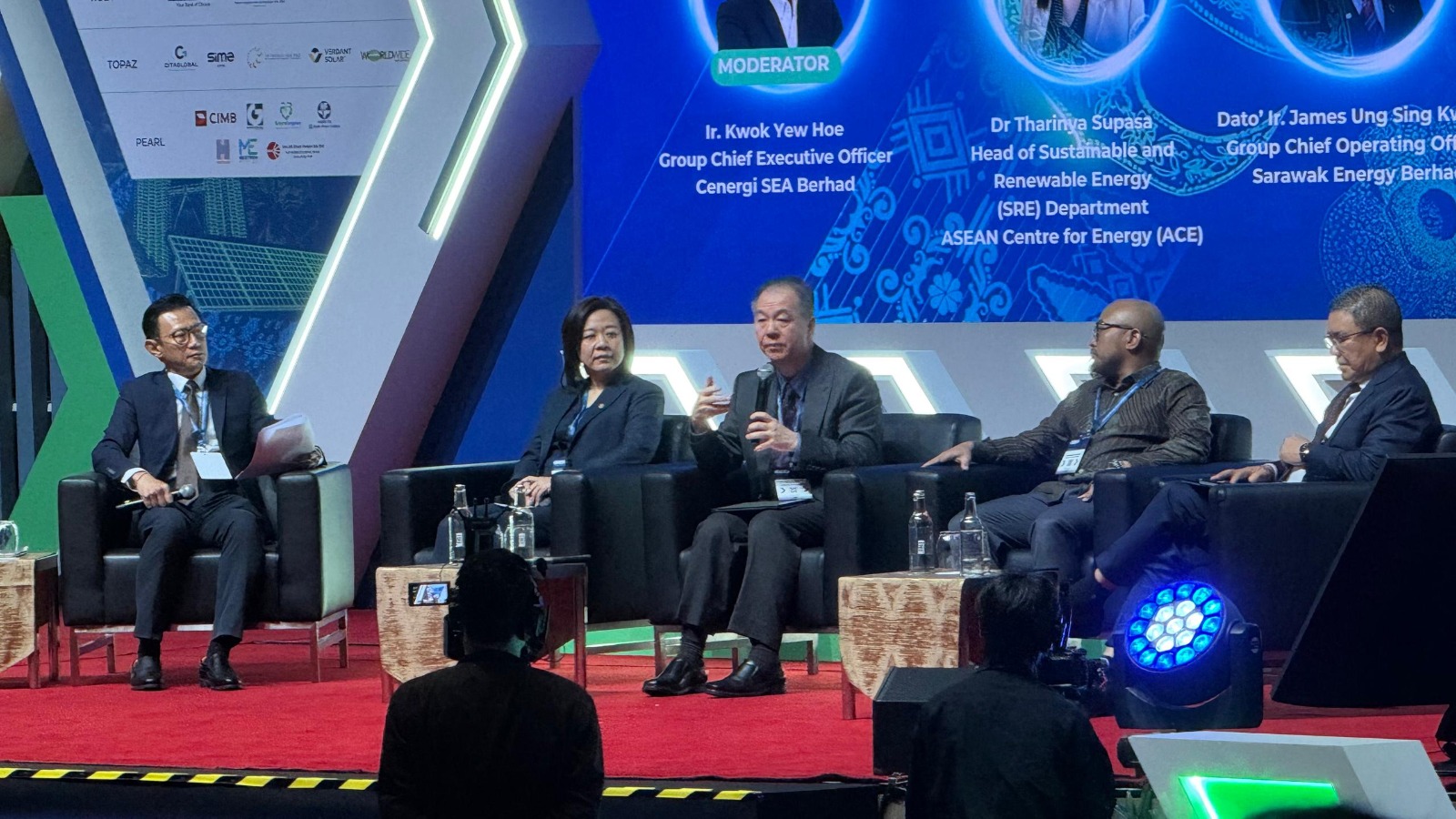
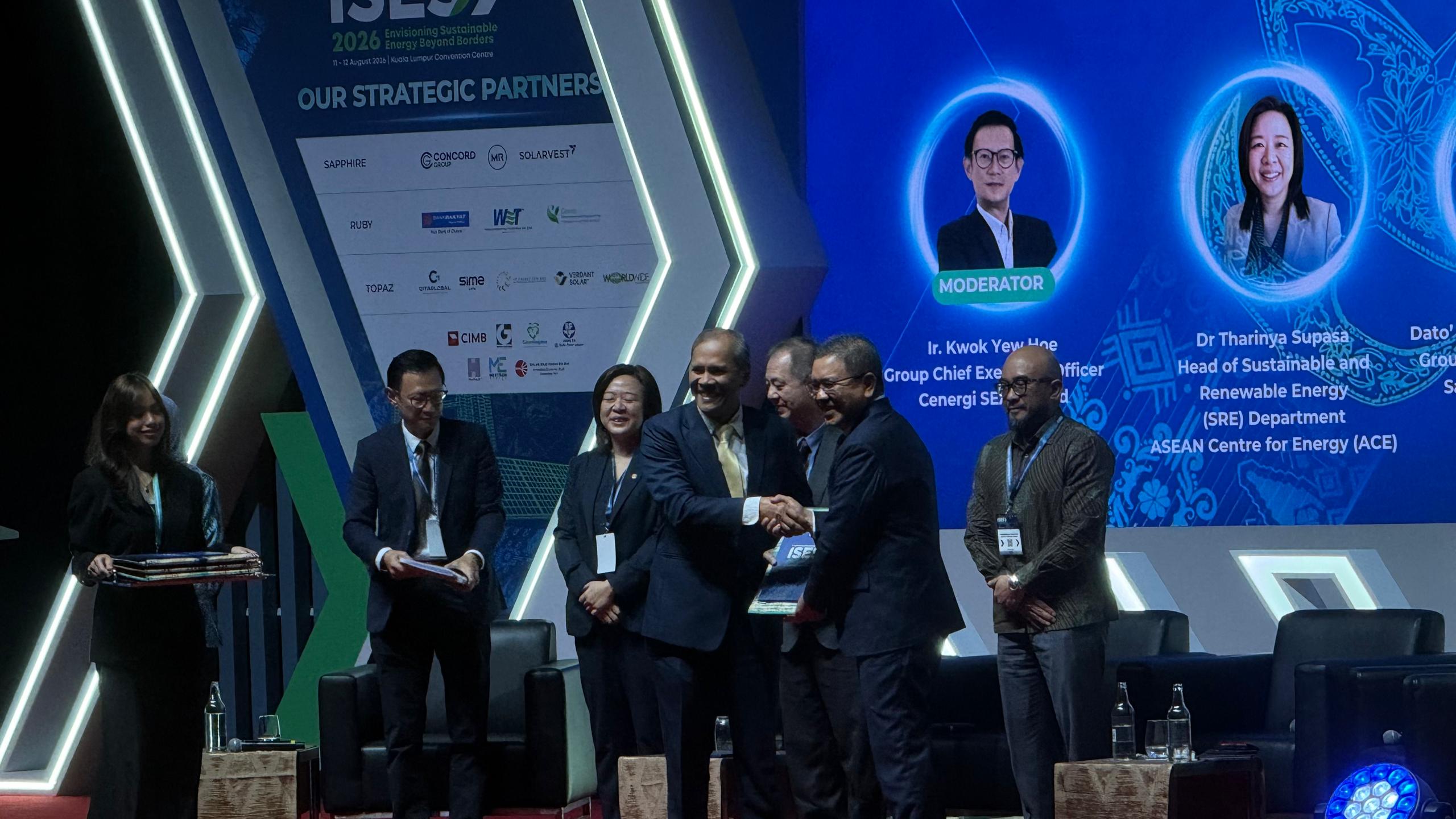
“The bigger transformation, to me, will come from our ability to make the whole system much more flexible,” he said during the plenary session titled ‘Pioneering the Future: Next-Gen Renewables and Clean Fuels’, held in conjunction with the 7th International Sustainable Energy Summit 2026 at the Kuala Lumpur Convention Centre here today.
Shahrir said Malaysia’s energy system was changing rapidly as more renewable energy was introduced, the transport sector underwent electrification and new sources of electricity demand emerged, particularly from data centres and digitalisation.
He said this required the energy system to become more responsive to changes in both electricity supply and demand.
“This can come from battery storage, hydropower, flexible generation, demand response, stronger transmission networks, and increasingly from digital technology and AI,” he said.
Shahrir said artificial intelligence and digitalisation would be important enablers by allowing utilities to manage increasingly complex energy systems more intelligently.
He said these technologies could improve demand forecasting, predict renewable energy output, optimise generation and storage, and identify potential problems before they occurred.
“We are moving from a system that is largely planned and operated around fixed assumptions towards a system that can sense, predict and respond in real time,” he said.
He stressed that technologies such as solar, wind, energy storage, grid infrastructure, digitalisation and flexible generation should not be viewed as competing solutions, but as complementary components of a modern energy system.
“Solar and wind give us clean energy, storage gives us flexibility, the grid connects everything together, digitalisation helps us optimise the system, and flexible generation provides reliability when needed,” he said.
Shahrir said the focus over the next decade should therefore not be on identifying a single technology that would dominate the energy sector, but on improving the integration of different technologies to create a system capable of responding to changing energy needs.
“The next decade will not be about finding one technology. It will be about building an energy system that is flexible enough to make all the technologies work together,” he said.
He added that the ability to integrate these technologies effectively and respond to changing conditions would determine the pace and success of the energy sector’s transformation.