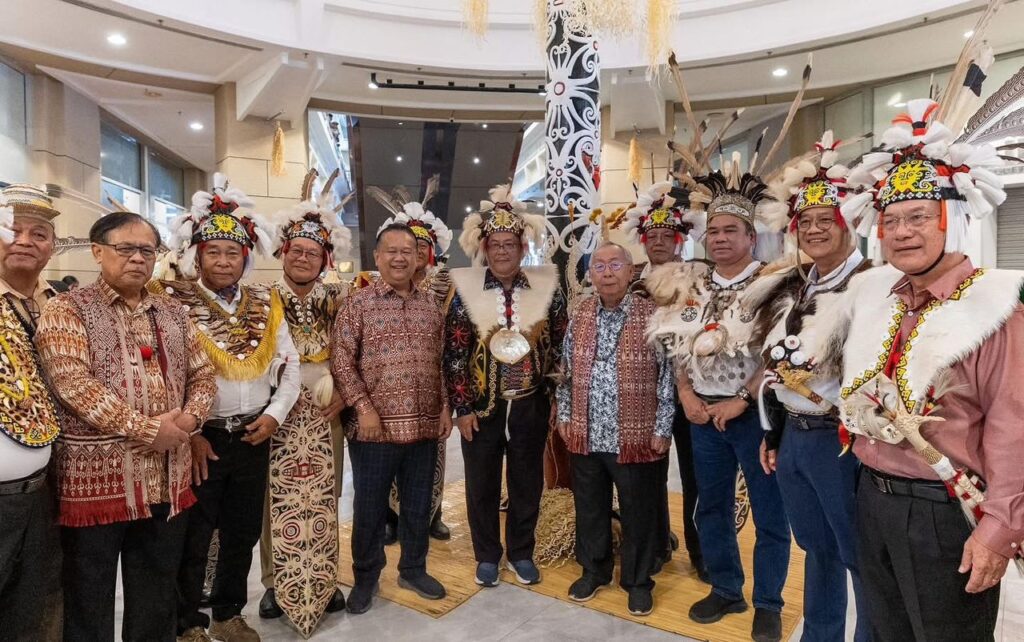
KUCHING: Before the vibrant rhythms of the Gawai Dayak 2025 ‘Niti Daun’ Parade filled the streets of the city, a quieter and sacred moment unfolded within the lobby of the Tun Jugah Building here.
It was a moment where tradition, reverence and ancestral memory came together in the form of the Mamat ceremony.
The ceremony, performed by the Sarawak Custom and Tradition Council and led by members of the Orang Ulu community, served as a spiritual curtain raiser to the festivities. It sought blessings from ancestral spirits, calling for peace, safety and harmony throughout the day’s grand celebration.
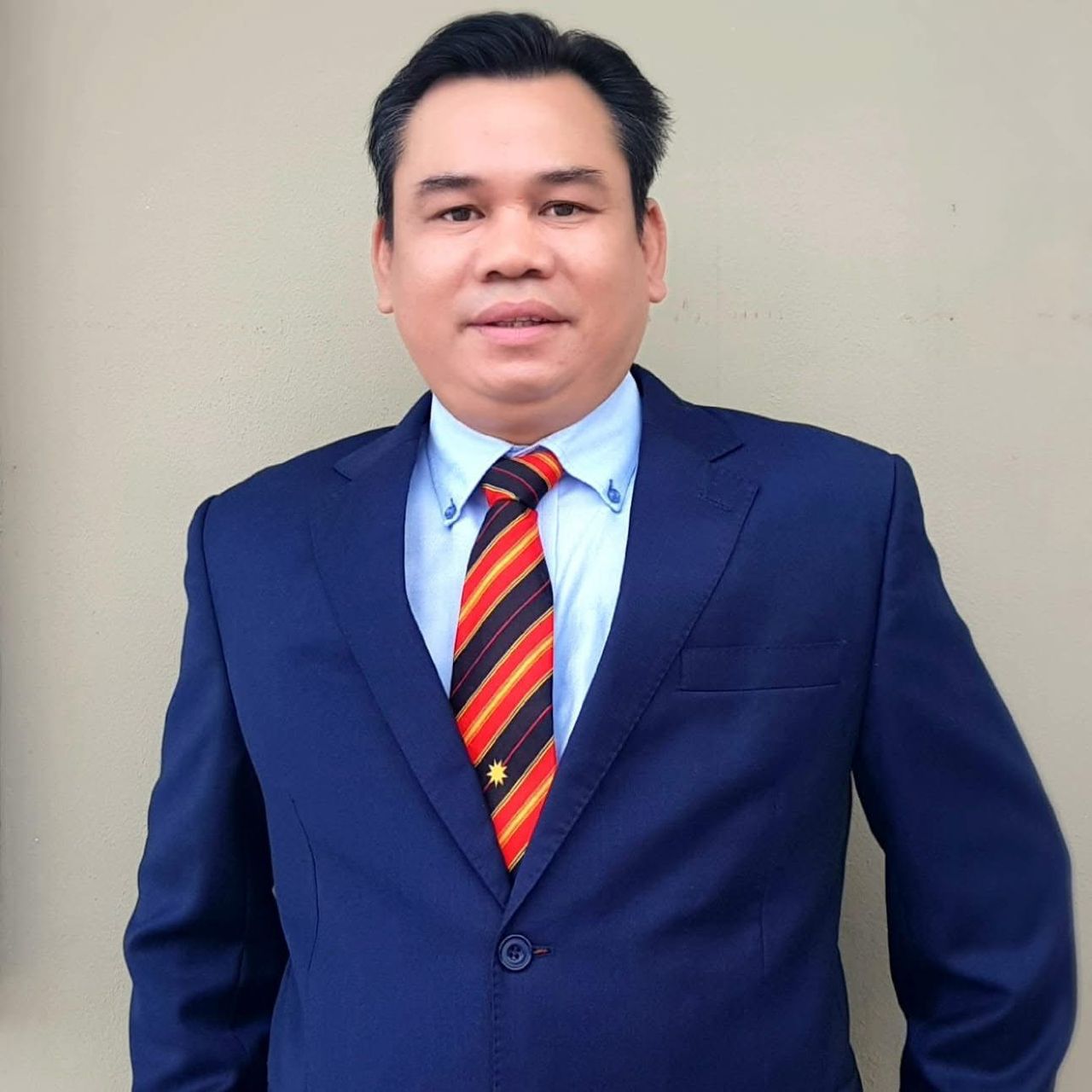
Among those guiding the sacred rite was Pemanca Tony Kulleh, community leader of the Kenyah Belaga, who explained the symbolic heart of the ritual known as the Tungun Belawing.
Carved from wood and richly adorned with traditional motifs such as the Kerbu flower, the Tungun Belawing stood tall, topped with a sculpture of the iconic kenyalang bird, a revered emblem of honour and cultural identity within the Orang Ulu tradition.
“The pole is not just decoration. It carries meaning. It is surrounded by sixteen penghut bundles, sixteen pieces of meat known as stico, and at its base sits a tajau (jar) and a rattan basket which, in the past, held eight human skulls,” Tony shared.
Though the skulls have since been symbolically replaced, the ceremonial elements are a nod to an era when the Mamat was performed as a deeply spiritual rite for warriors to protect them from evil and grant divine favour.
“The Mamat used to be an intense ritual asking Bungan Malan for protection from misfortune, disease and spiritual harm.
“Today, it is still practised, but with adjustments that reflect our evolving values and beliefs,” he explained.
Now, the ceremony is embraced as a way to express gratitude, foster community unity and instil courage, principles that continue to resonate deeply with the Kenyah people.
“Even if it is no longer practised in its full original form, the essence of Mamat lives on, in prayers, in thanksgiving ceremonies and in our collective memory.
“It remains an integral part of our cultural identity. It should not be forgotten,” Tony said.
As Sarawak celebrates its rich Dayak heritage through vibrant parades and music, the quiet reverence of the Mamat ceremony reminds all that culture is not only seen. It is felt, remembered and passed on.