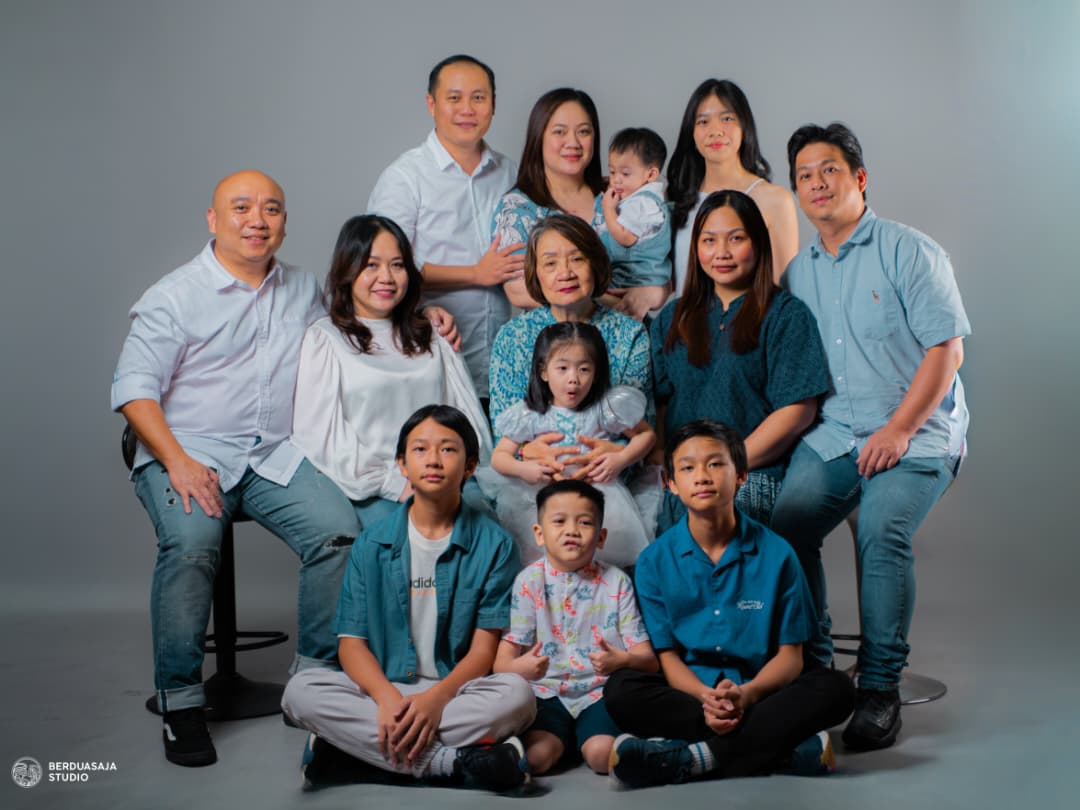
IN many longhouse communities, the role of Maren Uma is traditionally held by men.
But at 39, Tijan Hendrick Hank carries that responsibility — one of only a few women in her lineage to do so.
In her family, leadership has long been shouldered by mothers.
Raised by a single mother who later became Maren Uma (longhouse chief) and passed the responsibility down to her, she now continues that legacy while raising three children of her own at very different stages of life.
Most mornings begin before sunrise in Kuching.
As her 17-year-old daughter prepares for school ahead of her SPM examinations, Tijan gets her five-year-old daughter ready for special education support and cares for her two-year-old son at home.
Between school runs, meals and housework, her day moves quickly — even before she turns to responsibilities waiting beyond her household in Belaga.
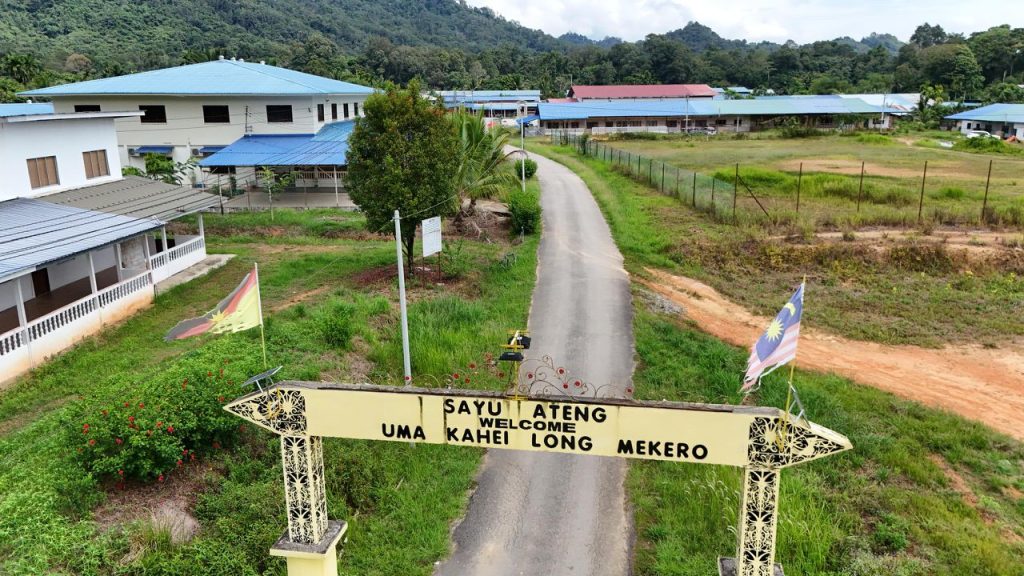
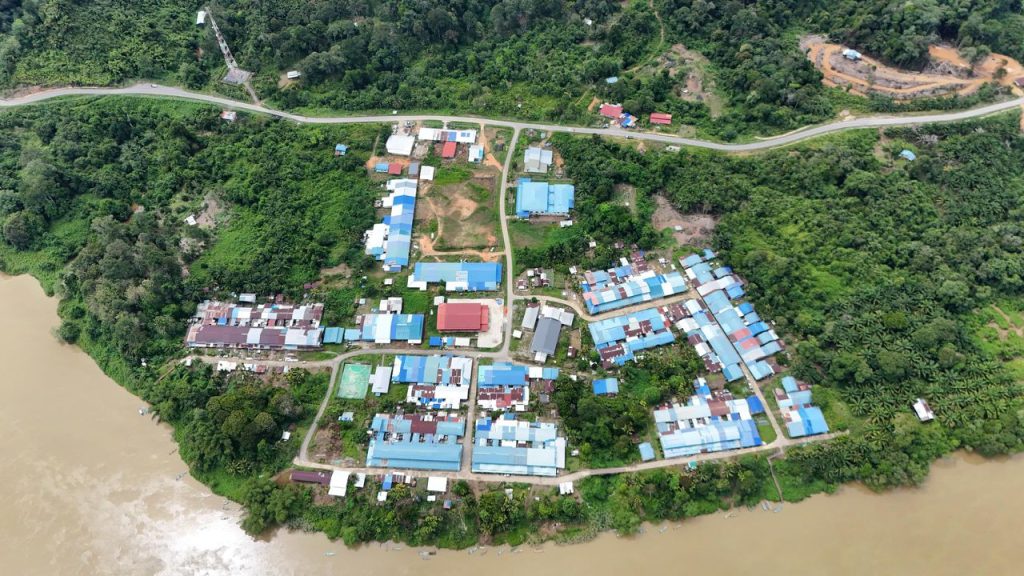
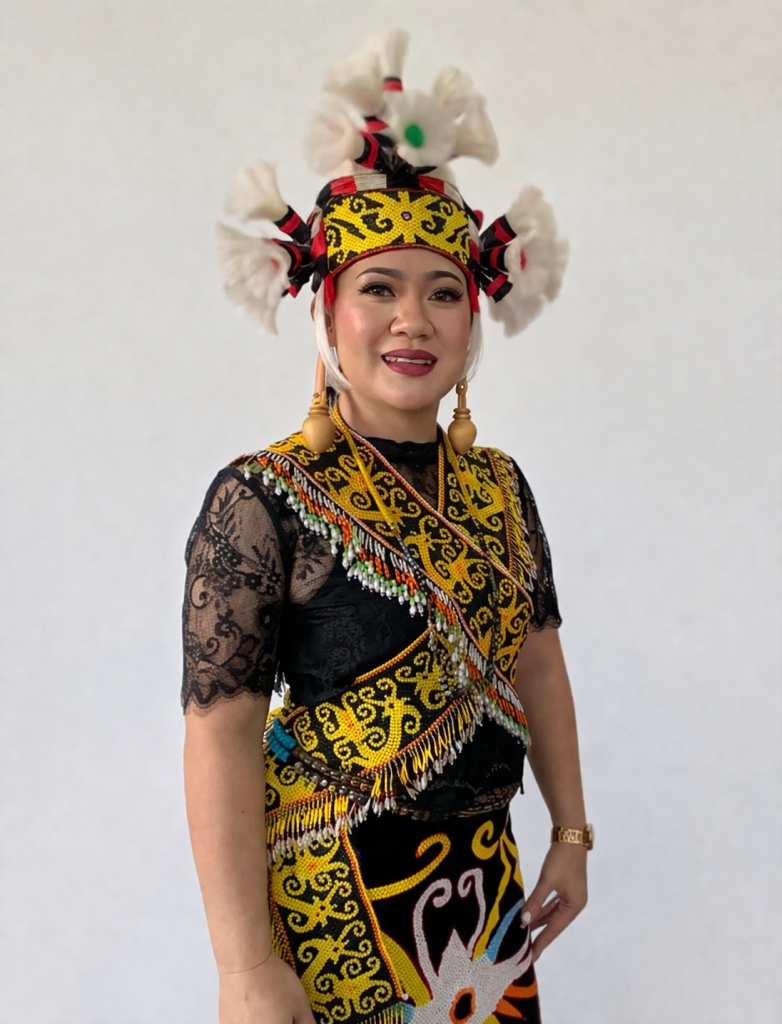
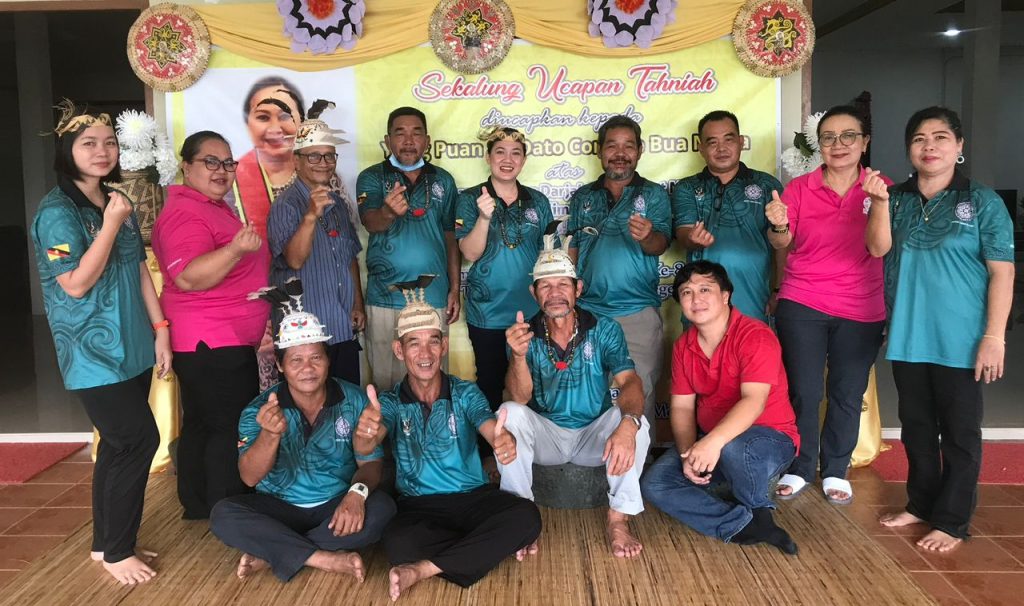
She assumed the role in 2017 at the age of 30 after being chosen by elders and residents of the Uma Kahei longhouse community.
At the time, she was the youngest female Maren Uma in the Belaga area and the third woman in her lineage to hold the position, following an earlier female leader remembered as Helong and later her mother, Beatrice Kedoh Tajang, who became the second before passing the responsibility to her.
“I learned that the role is not about being served.
“It is about serving the people,” she said.
Raised by women who carried responsibility
Although she was born into the Maren lineage, Tijan did not expect to inherit the responsibility herself.
Her mother, who served as Maren Uma before her, raised Tijan and her two older sisters on her own while ensuring they remained closely connected to their language, customs and responsibilities within the longhouse community.
“She always brought us back to the longhouse.
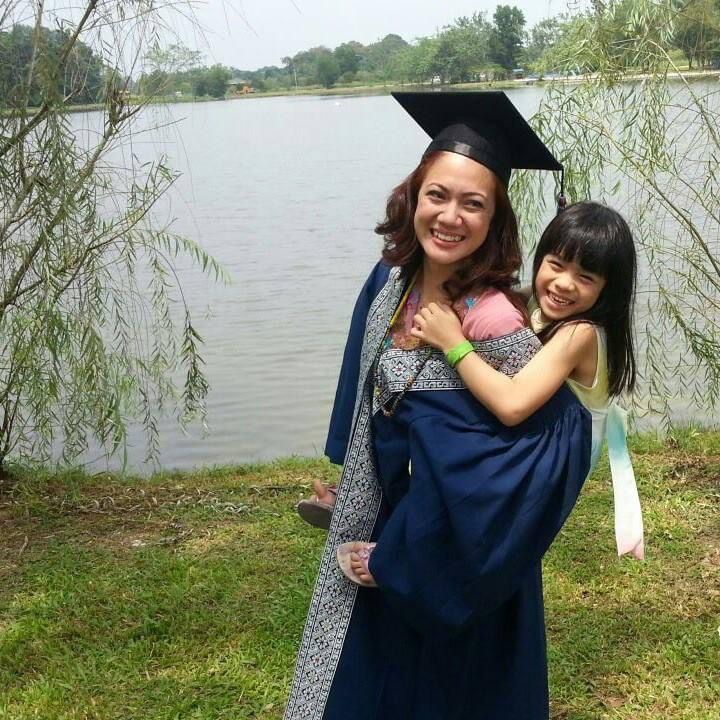
“We spoke Kayan at home and took part in community activities. That was how we learned,” Tijan recalled.
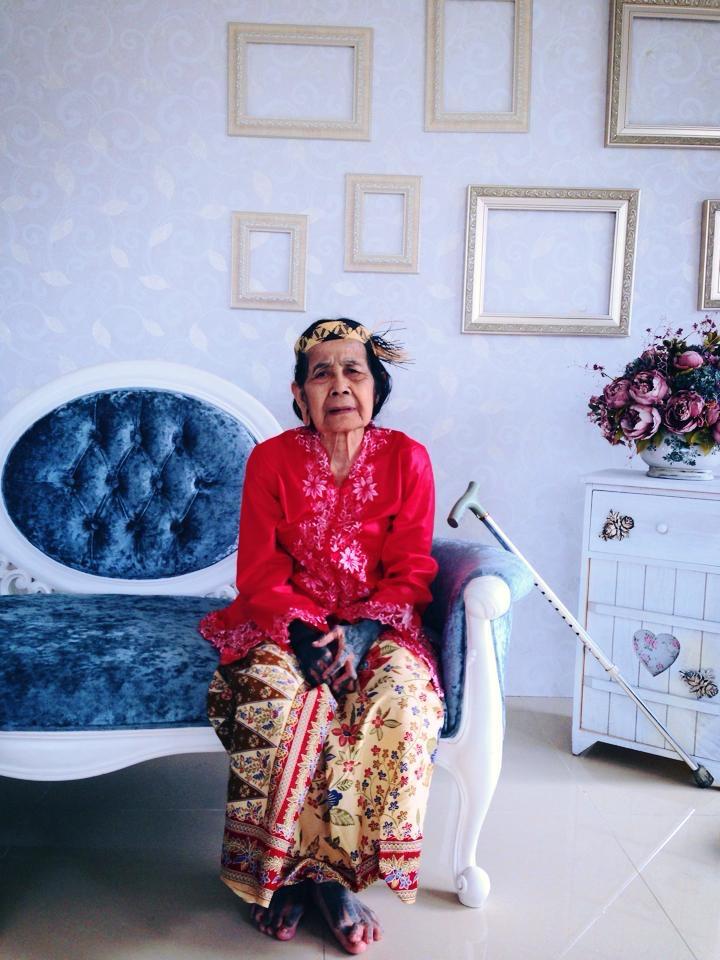
Her late grandmother, Tening Killah, who was also a single mother, played a strong role in shaping her understanding of cultural identity from a young age.
Growing up in the longhouse, she and her sisters were expected to speak Kayan and would be scolded if they spoke other languages.
Beyond language, their grandmother taught them traditional skills such as preparing ‘kenyarem’ (Kayan sweet snack) and making ‘burak’ — the Kayan equivalent of Iban tuak— and Orang Ulu beadwork. These everyday lessons formed part of how culture was passed down within the family.
At the same time, her mother emphasised independence and resilience.
Because she raised her daughters alone, she often reminded them that women must be prepared to take care of themselves in any situation.
“She always reminded us that women are just as capable as men. She made sure we could manage things on our own — from driving to even changing a car tyre,” said Tijan.
Education was another value consistently stressed at home.
“She taught us to stand on our own two feet. Education was always important in our family,” she said.
Together, her mother and grandmother shaped the values that continue to guide her today as both a parent and community leader.
Becoming the youngest Maren Uma
When she was selected to take over the role in 2017, the responsibility came with expectations she had not anticipated.
As a young woman stepping into a leadership position traditionally associated with seniority and experience, she had to gradually earn the confidence of older members of the community.
“At first it was difficult because I was young and inexperienced,” she said.
Some questioned why someone with a degree would choose to become a longhouse leader, while others were uncertain whether a young woman could carry the responsibility effectively.
Rather than discouraging her, the experience strengthened her commitment to serve the community.
Support from her mother and guidance from more experienced longhouse leaders helped her adjust during the transition period.
Over time, she learned to rely not only on formal education but also on the advice of community elders familiar with customary practices and community expectations.
The experience, she said, taught her humility.
“You learn that leadership is not about position. It is about responsibility,” she said.
A single mother before building her family
Before taking on wider community responsibilities, Tijan had already experienced motherhood independently.
She raised her eldest daughter as a single parent with strong support from her mother, grandmother and extended relatives.
“I had a very strong support system. My family helped me a lot during that time,” she said.
Today, she is married and raising three children with her husband, who works in Bintulu on a four-days-on, four-days-off shift schedule and returns to Kuching during his off days to support the family.
Balancing responsibilities between Kuching and Belaga therefore depends on coordination not only with her husband but also with her mother, sisters and extended relatives who help care for the children when she needs to travel for community matters.
Her experience of raising her first child as a single mother continues to influence how she supports others facing similar circumstances today.
“I’m more sensitive towards women’s issues.
“Especially single mothers or widows who need help with welfare applications or documents at my longhouse. I try to assist where I can,” she said.
In some cases, she helps residents complete paperwork or liaises with agencies to ensure assistance reaches those who need it.
Parenting across three stages of childhood
Motherhood today requires her to manage the very different needs of her three children at once.
Her eldest daughter is preparing for SPM, her second daughter attends special education after being diagnosed with autism level two, and her youngest son is still a toddler.
Each stage brings different demands, from academic guidance and emotional encouragement to therapy routines and daily caregiving.
Managing these responsibilities alongside her leadership role requires careful planning and support from her husband and family members.
Despite the challenges, she sees motherhood as a source of strength rather than limitation.
“It is busy and demanding, which is normal for all mothers like me.
“But it is also meaningful,” she said.
Raising children between Kuching and Belaga
Tijan divides her time between Kuching and Uma Kahei while raising her children and fulfilling her responsibilities to the longhouse community.
Life in the city revolves around school schedules, therapy support, tuition classes and daily routines shaped by traffic and time commitments. In Belaga, the pace is slower, allowing her to meet residents directly and attend to community concerns face to face.
“When I’m back in the longhouse, I can check on people personally, especially the elderly or those who need assistance,” she said.
Returning regularly to the longhouse also allows her children to remain connected to their roots despite growing up partly in an urban environment.
Her eldest daughter, 17-year-old Trisha Melidang Nicholas, said growing up between Kuching and Uma Kahei shaped her understanding of family and community differently from many of her peers.
“In the longhouse it feels like one big family.
“Many people, especially the women in the longhouse, helped look after me when my mother was busy with her role,” she said.
She described her mother as someone constantly balancing responsibilities at home and in the community.
“She handles household work together with her Maren Uma duties.
“I’m very proud of her,” she said.
Passing heritage to the next generation
For Tijan, motherhood includes ensuring her children remain connected to their heritage despite growing up partly in the city.
She encourages them to speak Kayan, understand their family lineage and recognise the responsibilities that come with it.
“It’s very important for them to know their roots.
“Because when we are no longer here, they must be able to pass it on,” she said.
Trisha remembers the time her mother spent reading to her when she was younger.
“She always made it fun for me. She used to read me books, and because of that I became literate,” she said.
Now preparing for SPM, she continues to draw guidance from her mother’s advice.
“She always tells me to study hard so that more pathways will open in the future,” she said.
She hopes to become a clinical psychologist and one day give back to her family.
“My mother takes care of everyone, and because of what she has shown me, I want to care for the people I love in the future,” she said.
Motherhood as continuity across generations
For Tijan, motherhood reflects the example set by her mother and her late grandmother before her — women who carried responsibility across generations while sustaining their families and preserving their cultural identity.
“There are good days and difficult days.
“But at the end of the journey, it is something you are grateful for.
“Motherhood is a blessing,” she said.
And in her case, it continues a legacy passed quietly from one generation of mothers to the next.