KUCHING: Media owners, industry associations and the government must work collaboratively to address mounting challenges in the journalism sector to ensure the sustainability of Sarawak’s media talent pool.
Having said this, Kuching Division Journalists Association (KDJA) president Ronnie Teo Teck Wei noted the call for collective action comes amid growing pressures confronting the media industry, both locally and globally.
While recent achievements were worth celebrating, he said the euphoria must be tempered with a sobering acknowledgement of the escalating challenges facing the profession.
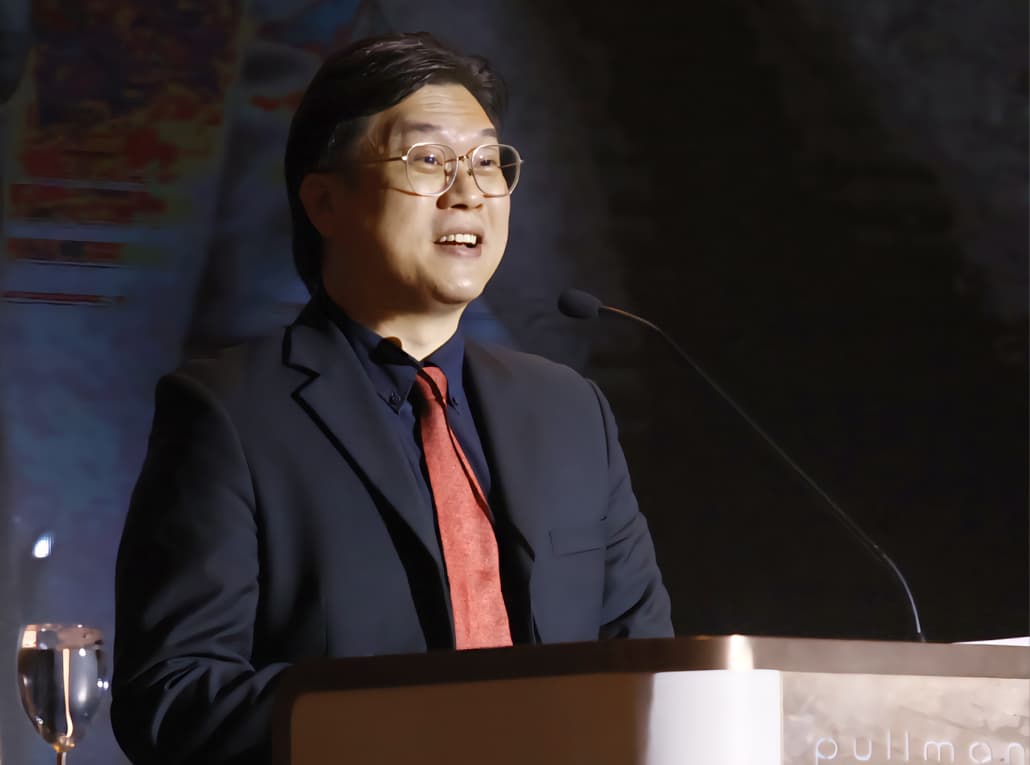
“The landscape is shifting beneath our feet, and the pressures are mounting. We, the media in Sarawak, cannot afford to rest on our laurels,” he said this during the Kenyalang Journalism Awards (KJA) 2025 at a hotel yesterday (Dec 20)
He highlighted economic headwinds as one of the key challenges, pointing to a significant decline in advertising expenditure for traditional media platforms.
“Advertisers are diversifying, and while digital revenue is growing, it has yet to fully compensate for the decline in print and broadcast streams.
“This puts immense financial strain on media organisations, forcing painful cutbacks that often impact the resources available for in-depth, quality journalism,” he said.
He also warned that the profession was being increasingly undermined by plagiarism from social media content pages and the rise of self-proclaimed journalists who operate without ethical oversight, fact-checking or accountability.
“We must champion media literacy and clearly differentiate between verified news and unverified noise,” he said.
Additionally, Ronnie said many journalists, particularly those starting out, continued to face tough working conditions.
“This includes long, demanding hours, often extending late into the night or over weekends to cover breaking news and critical events.
“All too often, this is coupled with low work pay that does not adequately reflect the dedication, skill, and personal sacrifice required to perform the job,” he said.
He stressed that addressing these challenges required a collective effort, cautioning that if passionate and skilled journalists cannot be retained, the quality of the state’s public discourse will inevitably suffer.
As part of the solution, Teo said that media organisations must innovate business models.
“We must collectively advocate for better compensation and working environments.
“And we must continue to invest in the training, which is precisely why the Premier’s executive programme is so timely and essential.
“We must evolve from being mere content providers to being indispensable sources of verified, quality information and insightful analysis,” he said.