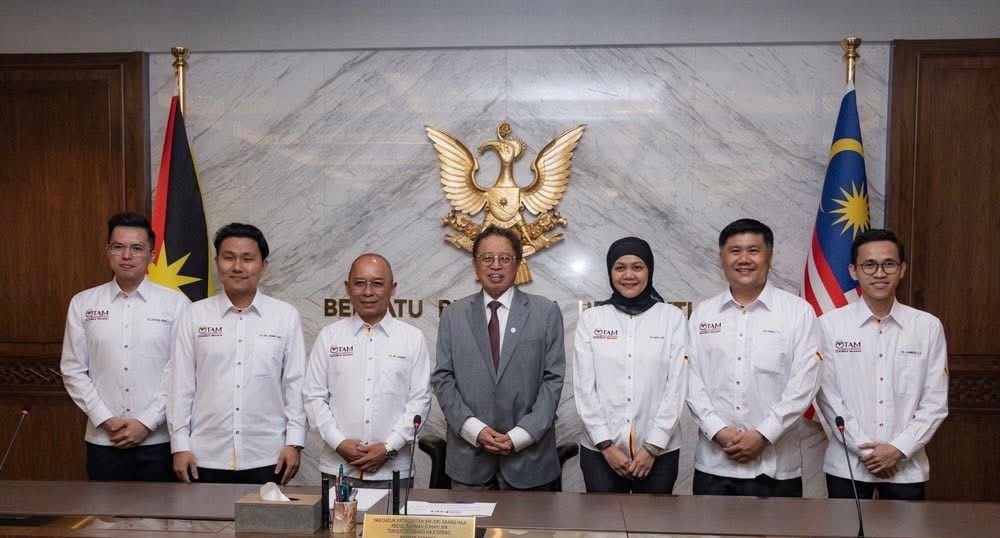
BINTULU: Medical assistants remain vital frontline healthcare providers in Sarawak, especially in rural and interior areas, as the state strengthens service modernisation and improves the quality of patient care.
Deputy Health Minister Datuk Hanifah Hajar Taib said their role continues to expand alongside efforts to modernise healthcare services and address increasingly complex community health needs across the state.
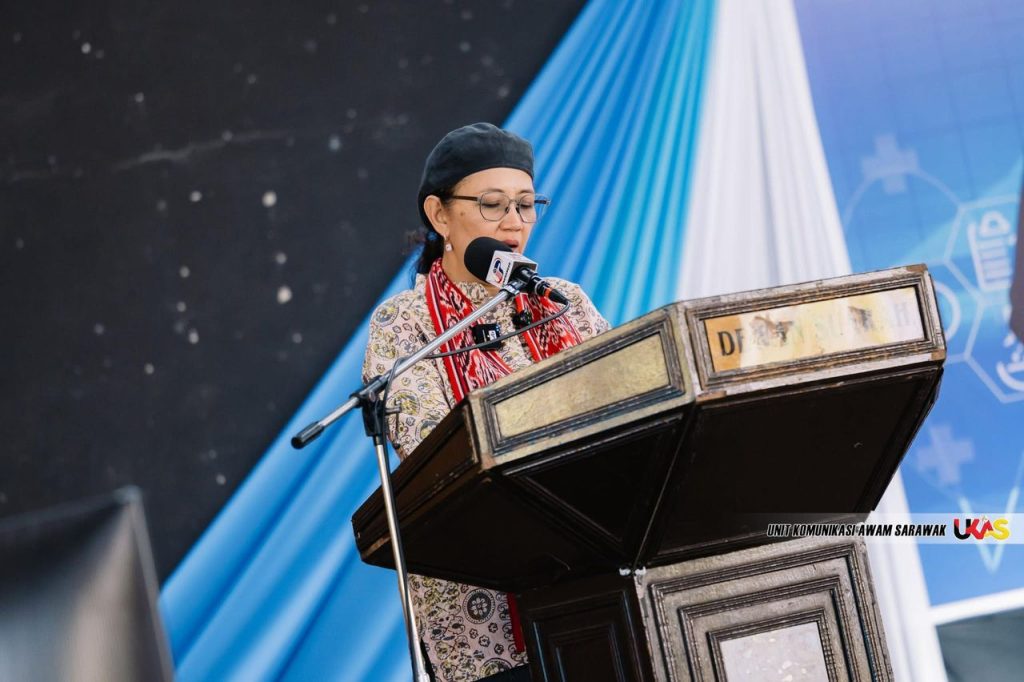
She stressed that modernisation involves not only advanced technology but also stronger professionalism, adaptive skills and patient-centred approaches among healthcare personnel.
“Technology may take over some tasks, but the human touch — the ability to listen, understand and reassure patients — cannot be replaced,” she said when officiating at the Sarawak-level Medical Assistants Day Celebration 2026 at Dewan Suarah Bintulu on Thursday.
Hanifah noted that medical assistants serve as a key bridge between healthcare services and communities, especially in hard-to-reach areas where access to doctors may be limited.
She said the profession’s contribution is becoming increasingly important as the healthcare sector faces rising non-communicable diseases, growing mental health concerns and more complex community care demands.
“The theme this year, Driving Service Modernisation, Enhancing Healthcare Quality, reflects the urgent need for digital transformation, medical innovation and more holistic treatment approaches,” she added.
She also highlighted several initiatives aimed at strengthening the profession, including the development of Standard Practice Guidelines for cardio perfusion and cardiothoracic disciplines, Primary Health Care Advanced Life Support (PHCALS) training modules and the introduction of a mentorship model for assistant medical officers.
According to her, these efforts reflect a strong commitment to ensuring healthcare services in Sarawak remain safe, high-quality and aligned with international standards.
Hanifah also commended medical assistants for their increasing involvement in research and evidence-based practice, including contributions to the Journal of Malaysia Medical Assistants (JOMMA).
She urged members of the profession to continue serving as agents of change, leaders and mentors to younger healthcare workers while strengthening teamwork within the healthcare delivery system statewide.