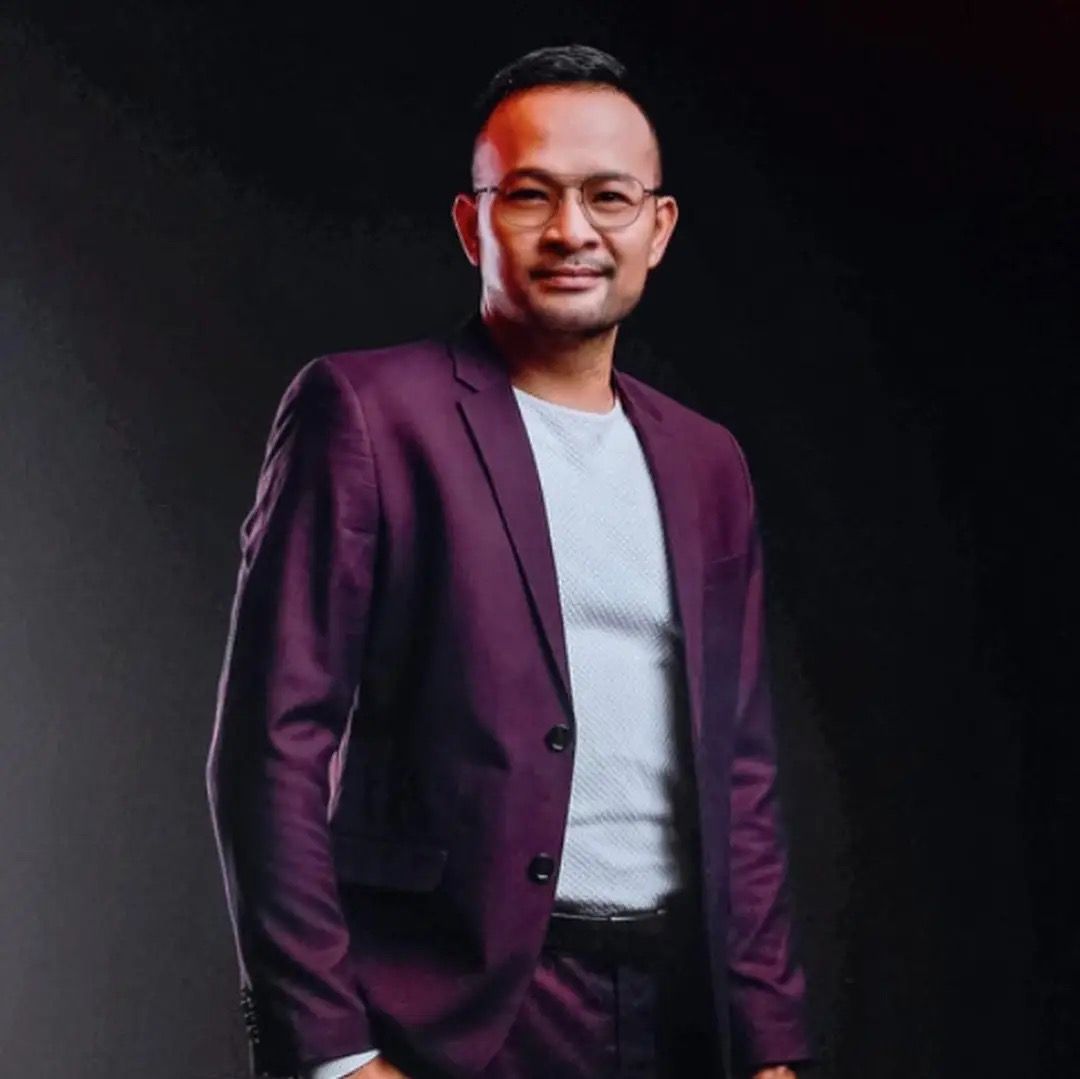
ARMED with a degree in computer science and a future seemingly destined for the digital world, Isaac Stalin could have easily built a comfortable career in air-conditioned offices, writing codes and designing systems.
Instead, he chose muddy boots over keyboards, seedlings over software, and plantations over programming.
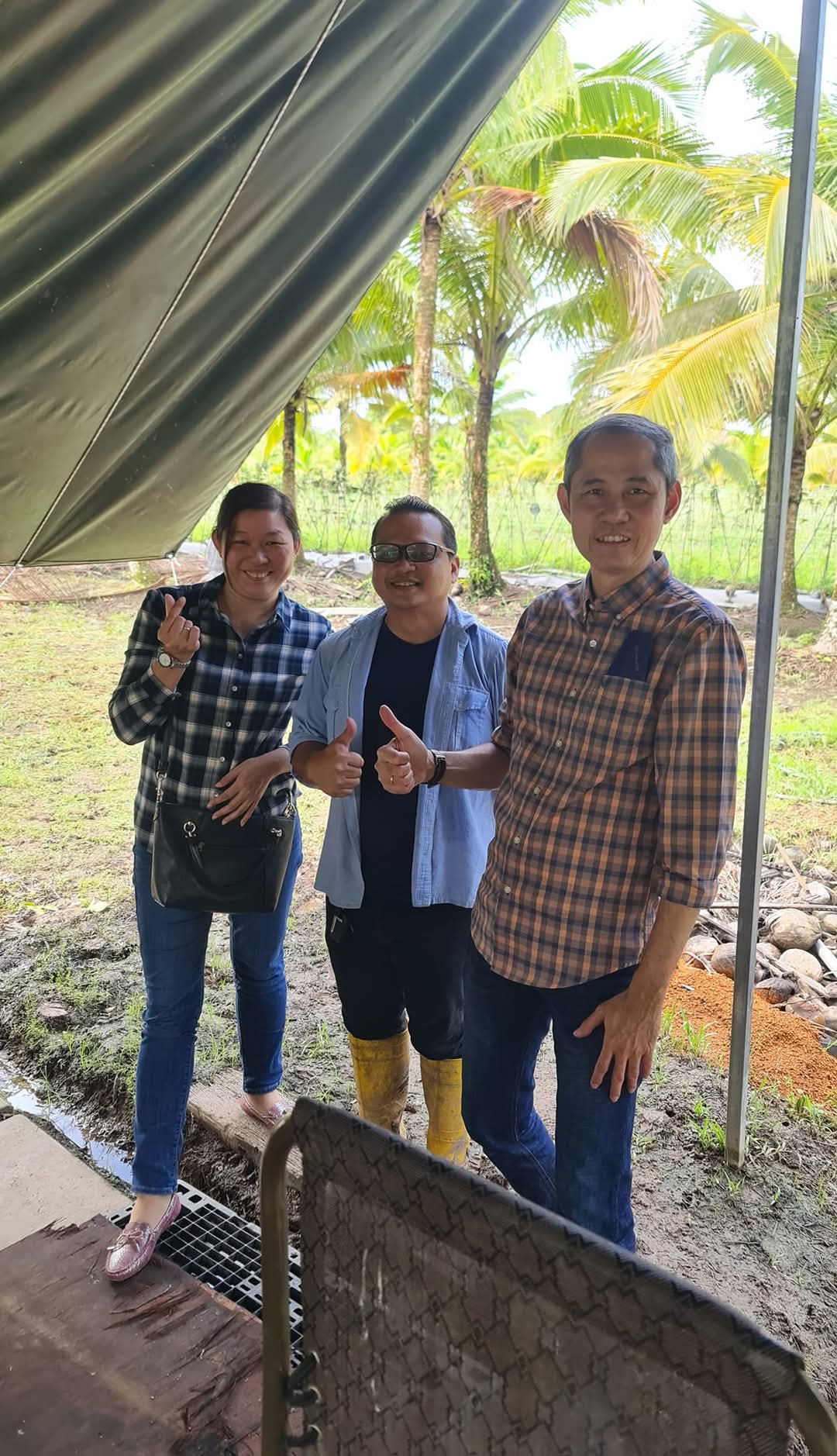
Today, the Sarawak-born entrepreneur is carving a name for himself as a progressive agropreneur, managing his own coconut farm while providing agricultural consultancy services to private investors and landowners across Sarawak and Sabah.
“I studied computer science because I was fascinated by technology and innovation. I was in a computer business and construction for a while.
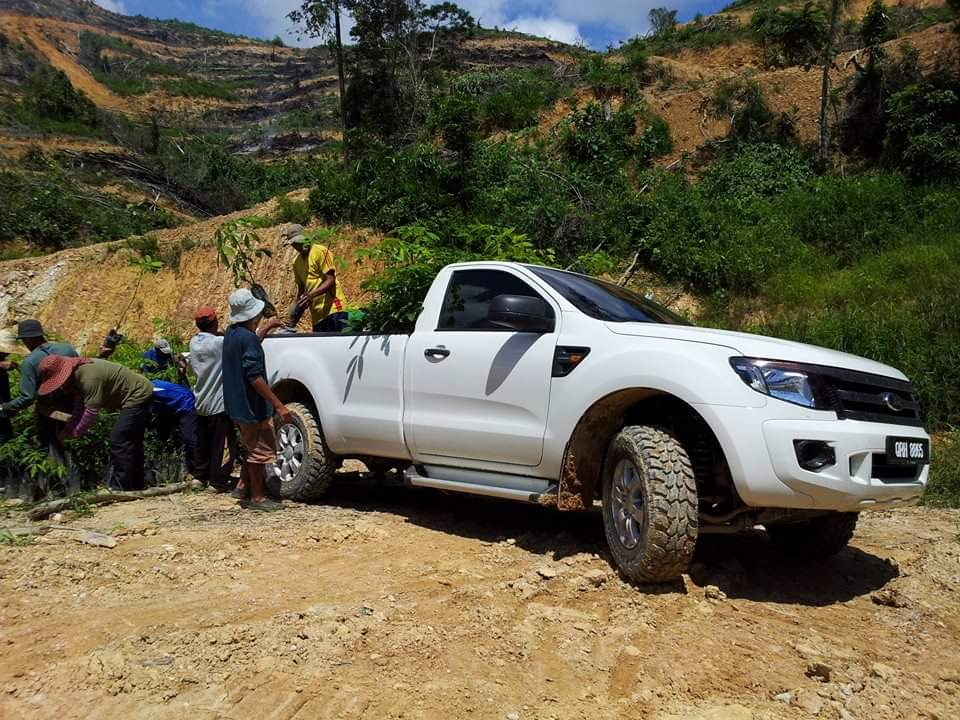
“But somewhere along the way, I realised innovation is not limited to computers. Agriculture also needs systems, planning, and data. That’s when I began to see farming differently,” Isaac said.
His journey into agriculture did not begin with large estates or high-profile clients.
His first steps were modest but meaningful, taking up the task as the Rubber Industry Smallholders Development Authority (RISDA) community assistant to help the community in rubber planting in 2014.
“I took the challenge. At the same time, I helped the community to become RISDA participants. Along the way I did a lot of work for RISDA undertaking land clearing and terrace construction for their participants at first in Sarawak and then Sabah,” he said.
The hands-on experience not only exposed him to the real challenges faced by smallholders, from soil management and crop selection to infrastructure limitations, but also the love to work with the communities in the rural areas.
Although he admitted that he knew nothing about rubber earlier on, working with RISDA participants taught him that agriculture is not just about planting crops. It’s about building a sustainable ecosystem.
“Terracing, proper land preparation, drainage systems — these are foundational. If you get the basics wrong, everything else suffers,” said the 45-year-old.
His involvement in nursery management also sharpened his understanding of plant health, seedling quality, and supply chain coordination, skills that would later become central to his consultancy work.
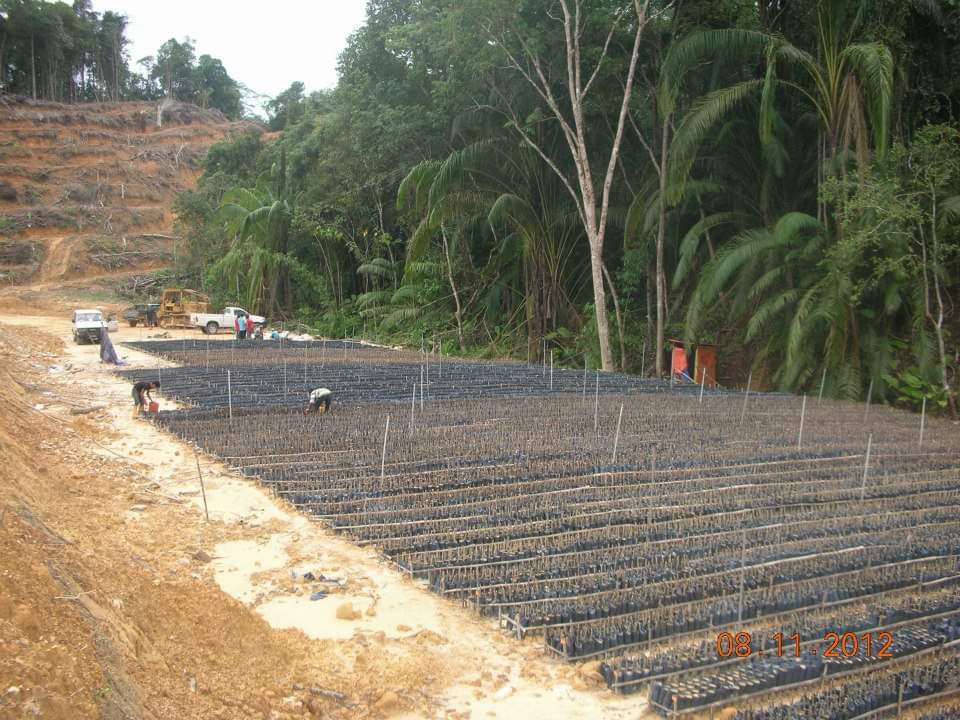
“I was given the chance to help set up a large scale rubber nursery in Sarawak. We identified the land at Jalan Poting in Singai for the nursery in 2014.
“And the nursery is there until now. I started it and after we did the opening, I handed it over to RISDA to manage it,” he recalled.
Despite his academic background in technology, Isaac found himself increasingly drawn to the rhythms of farm life.
He discovered that agriculture offered something the corporate world could not, a tangible connection between effort and outcome.
“In farming, you see the results of your work grow in front of you,” he said with a smile. “It’s physical, it’s challenging, but it’s incredibly rewarding.”
Encouraged by early successes and growing demand for structured agricultural planning, Isaac took a bold step, he ventured into commercial farming himself, starting with coconut cultivation.
“I went up and down to Sabah, helping people in oil palm, rubber and commercial pomelo planting, then it crossed my mind, why not do my own farm.
“I talked to my long-time friend, a Chinese uncle who is nice to me, to ask if I could use some of his land near my own land for planting. We started with planting coconut and some oil palm,” he said
Today, Isaac manages a thriving coconut farm that reflects his systematic approach to agriculture. Applying principles from his computer science training, he integrates planning tools, scheduling systems, and data tracking into farm operations.
“I treat the farm like a project,” he explained.
“There are timelines, resource allocation, risk assessments and performance monitoring. Agriculture doesn’t have to be guesswork.”
He emphasises proper spacing, fertilisation schedules, pest monitoring, and efficient irrigation systems to maximise yield and maintain crop health.
His coconut farm is not only a production site but also a demonstration model for potential young people who are considering venturing into agriculture.
Coconut farming, he noted, offers promising returns when managed professionally, especially with rising demand for fresh coconuts as well coconut-based products in domestic and export markets.
As his reputation grew, so did enquiries from landowners and investors seeking guidance. Many owned sizeable plots of land but lacked the technical expertise to develop them productively.
Seeing a gap in the market, Isaac expanded his role from farmer to agricultural consultant. He now provides advisory services covering land assessment, crop feasibility studies, farm layout planning, cost estimation, and operational management.
His consultancy portfolio spans Sarawak and Sabah, where agricultural potential remains vast but underutilised in many rural areas.
“Some investors come in with enthusiasm but without proper planning. They may clear land without understanding soil suitability or market demand. My job is to help them reduce risk and make informed decisions,” he said
He often begins by conducting on-site evaluations, studying soil conditions, topography, access roads, and water sources before recommending suitable crops and development strategies.
Isaac believes his computer science background gives him a unique advantage in modern agriculture.
He also stresses the importance of sustainability, advocating responsible land clearing practices, proper terracing on hilly terrain, and long-term soil management.
“Agriculture must be sustainable. We are working with nature, not against it,” he added.
Beyond profits and productivity, Isaac sees agriculture as a vehicle for rural empowerment.
His early work with RISDA participants gave him firsthand insight into how structured support can uplift smallholders.
He believes that with the right guidance, local landowners can transform idle land into productive assets, generating employment and strengthening food security in the region.
“There is so much potential in Sarawak and Sabah,” he said.
“We have land and we have people willing to work. What we need is proper planning, discipline, and long-term commitment.”
While his journey from computer science graduate to agropreneur may seem unconventional, Isaac views it as a natural evolution rather than a drastic shift.
“Technology taught me how to think systematically. Farming taught me patience and resilience,” he reflected. “Combining both has been the best decision of my life.”
As he continues to expand his consultancy services and strengthen his coconut venture, Isaac remains grounded in the belief that agriculture is not a fallback career, but a forward-looking industry with immense potential.
For young graduates uncertain about their future, he offers simple advice: “Don’t limit yourself to what you studied. Passion can lead you somewhere unexpected. For me, it led to the farm, and I’ve never looked back.”
“You don’t have to have a green thumb to become a successful farmer. I do not. But you don’t need a green thumb to grow the crops. You can have your workers to do the planting.”
In an era where digital careers often dominate the spotlight, Isaac stands as proof that innovation can flourish just as powerfully in the fields as it does behind a computer screen.