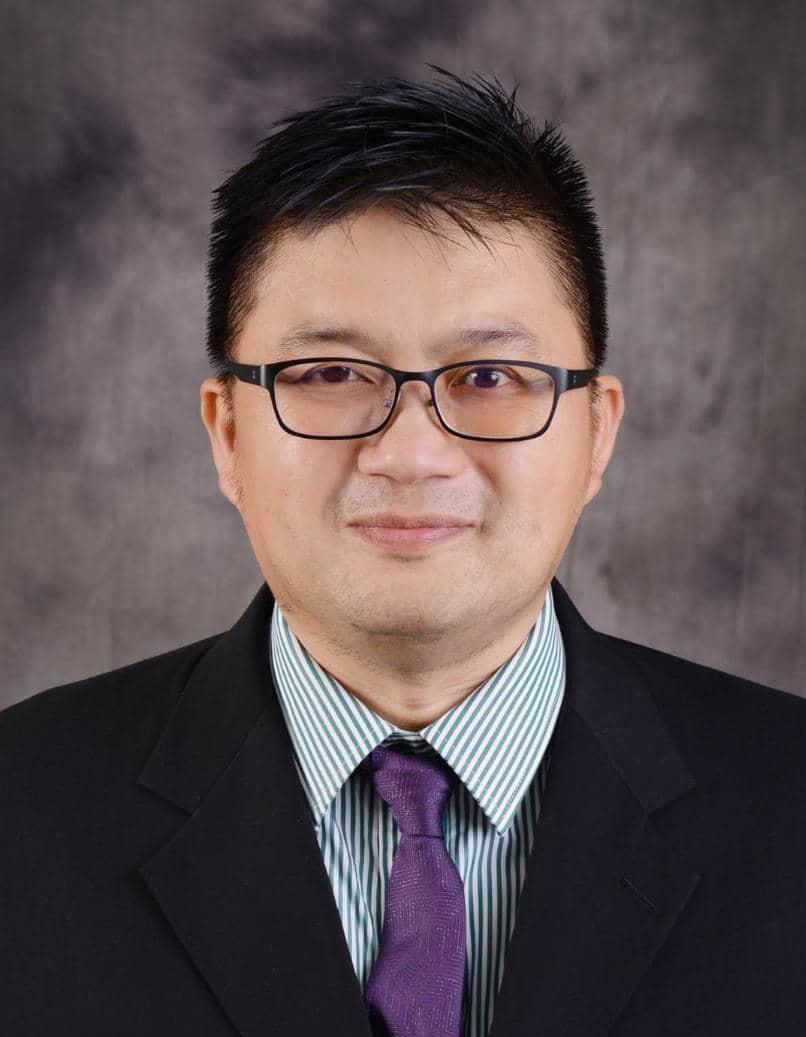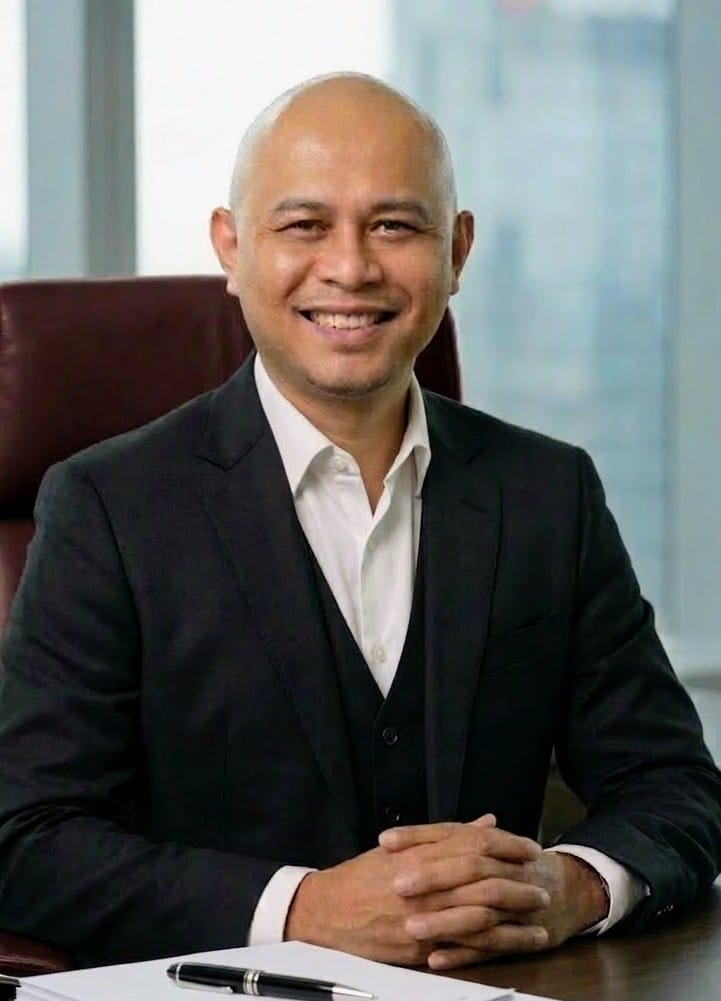
KUCHING: The narrative that Sabah and Sarawak are confused between autonomy and independence is not just misplaced; it is a convenient deflection from the real issue, said practicing lawyer Wejok Tomik.
He said Tengku Razaleigh Hamzah, also known as Ku Li, had missed the point, because Sabah and Sarawak are not asking – they are reminding.
“No one serious in Sabah and Sarawak is calling for secession. What is being demanded is far more uncomfortable for Putrajaya: accountability. Accountability to the Federal Constitution, to MA63, and to the original terms upon which Malaysia was formed.
“Let us be clear. This is not about whether Sabah and Sarawak must operate within the Constitution. It is about whether the federation itself has honoured it. And that is where the silence, or worse, selective interpretation, becomes telling,” he said in response to Ku Li’s statement as reported in a national news portal recently.
Wejok noted that Sabah and Sarawak were never meant to be treated as ordinary states, quietly absorbed into a centralised system, saying they were founding partners – partners, not passengers, and equal participants, not peripheral territories.
Yet, more than 60 years later, the reality tells a different story. Rights diluted, resources contested, representation imbalanced, promises postponed.
“And every time these issues are raised, the response from certain quarters sounds eerily familiar: ‘Everything is already within the Constitution.’
“If that were true, then why are we still here? Why are oil and gas rights still disputed? Why does resource-rich Borneo still lag behind in development metrics?
“Why are policies affecting Sabah and Sarawak still designed with a Peninsular-first mindset? And why does the question of fair parliamentary representation remain unresolved decades after formation?” he asked.
Wejok believes that these are not misunderstandings, but are consequences; consequences of a federation that too often prefers control over partnership and delay over delivery.
“So let us stop sanitising the issue,” he said, adding Sabah and Sarawak are not asking for anything new, they are not negotiating fresh privileges; they are demanding the fulfilment of what was already agreed.
He said when that demand is reframed as “confusion” or “misinterpretation”, it does not clarify the debate; it undermines its credibility.
Because the real discomfort, said Wejok, lies in acknowledging these demands, which means admitting that something fundamental has not been honoured.
“And that is a conversation some are still unwilling to have. Yes, irresponsible talk of separation must be rejected. But equally dangerous is the habit of hiding behind constitutional language while avoiding constitutional responsibility,” he added.
Wejok noted that federalism is not central dominance, it is not selective compliance; it is a discipline, and that discipline requires honouring the balance of power that Sabah and Sarawak signed on to in 1963.
He stressed that the people of Sabah and Sarawak are not asking for sympathy, they are not asking for favours; they are asking for delivery.
And that is why, he said, the MA63 task force now stands at a crossroads.
“It can either become another federal talking platform – producing reports, statements and reassurances. Or it can finally do what it was meant to do:
Correct the imbalance. Restore the rights. Deliver the outcome.
“Because – let us be honest – Sabah and Sarawak have heard enough ‘commitments’ to last a lifetime. The MADANI government under Prime Minister Datuk Seri Anwar Ibrahim has signalled a willingness to act. That is noted.
“But in Borneo today, goodwill is no longer measured by words. It is measured by speed, by substance, by results,” he said.
Wejok noted that if those results do not materialise clearly, concretely, and within a reasonable time, then the perception will be unavoidable – that the MA63 remains a political slogan, not a governing principle.
He added that this is no longer about interpretation, no longer about patience; this is about trust and whether that trust has been honoured.
“Because history does not disappear. It accumulates. And in Sabah and Sarawak, that accumulation is no longer quiet. It is becoming a political reality that cannot be dismissed, diluted, or deferred,” he said.