KUCHING: Malaysians are expected to begin feeling the impact of rising fuel, logistics, and insurance costs within the next two months following the ongoing conflict in the Middle East.
Deputy Prime Minister Datuk Amar Fadillah Yusof said that even if the conflict ends, the recovery of global energy supply is expected to take at least six months to reach 50 percent capacity, while full recovery could take up to a year due to extensive damage to oil refining facilities.
“When these facilities are damaged by attacks, the recovery process takes time, and the prices of petrol, diesel, and aviation fuel will increase.
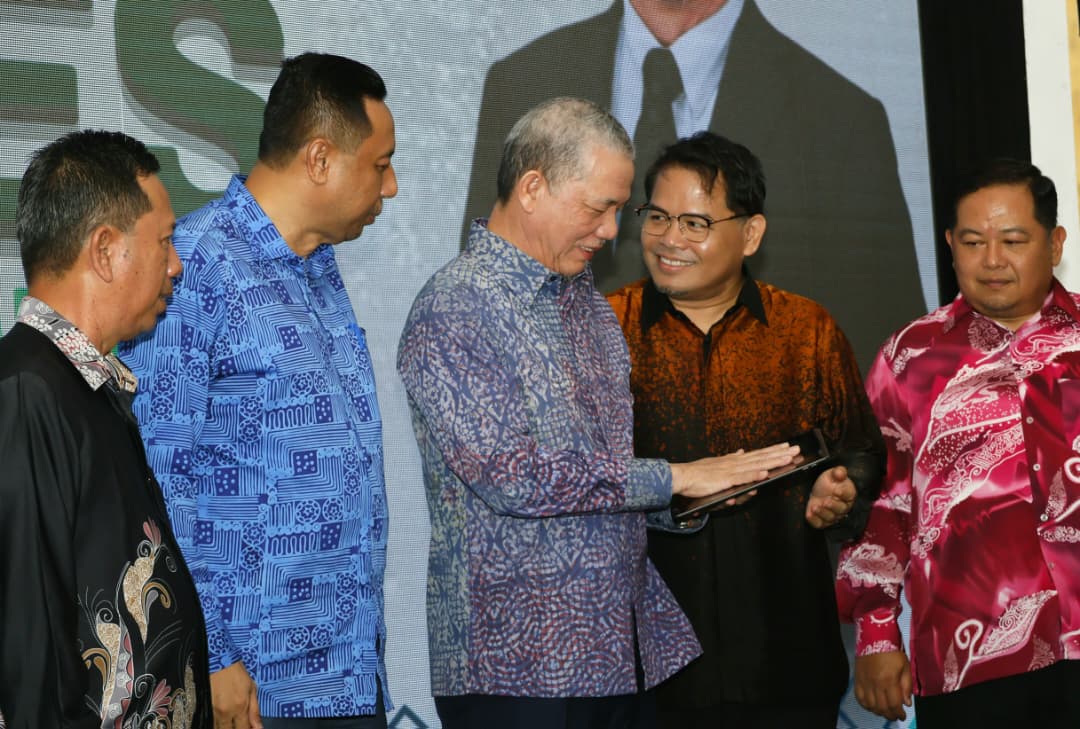
“The public will eventually feel the rise in price. The impact may be felt within the next two months,” he said at the Jihad Business Congress and the Malaysian Islamic Chamber of Commerce Open House held here yesterday (Apr6).
He added that the Federal Government has established the National Economic Action Council, which meets weekly to monitor global developments and formulate mitigation measures.
Under the council, a special task force led by Crisis Management Task Force (PPPK) chairman Mohd Hassan Marican has also been formed to monitor international developments daily and assess their implications on the country.
“This team will evaluate various scenarios, including the impact on the national economy and the necessary measures to ensure the welfare and well-being of the people are safeguarded,” he added.
Fadillah, who is also Petra Jaya MP, said Malaysia is currently in a better position compared to several ASEAN countries, but prudent spending measures are still necessary in preparation for uncertainties.
He noted that in the Philippines, more than 400 petrol stations have reportedly closed, leading to fuel rationing, while Indonesia and Thailand have taken similar measures.
As such, he said, the government has introduced energy-saving measures to extend the country’s energy reserves.
“This step is important to ensure energy supply can last longer, especially if the conflict continues,” he added.
He further stressed that the government is prioritising the stability of essential supplies, including fuel and electricity, to avoid disruptions to economic activities and daily life.
He said various measures are being considered to ease the burden on the people, including support for the business community, particularly small and medium enterprises (SMEs), to ensure sufficient supply of essential goods within the country.
“This planning is not meant to create concern, but rather as a preparedness measure so that we are better equipped to face any eventuality,” he explained.