SIBU: Changing society’s mindset towards the importance of education must be a priority in efforts to raise educational standards and nurture a generation capable of competing in various fields.
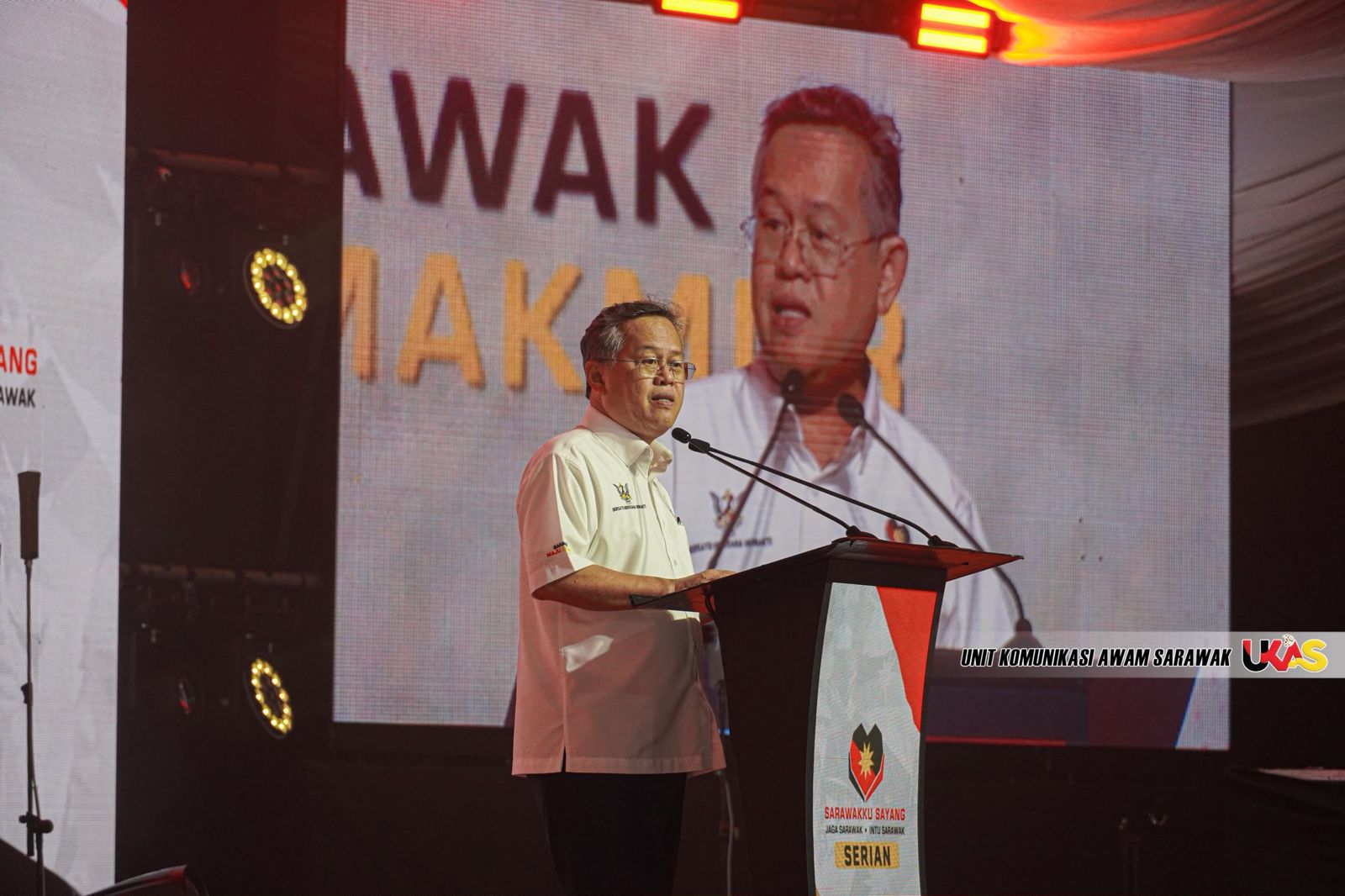
Deputy Minister for Education, Innovation and Talent Development Datuk Dr Annuar Rapaee said providing educational facilities, schools and free tuition programmes alone would not be sufficient if society, particularly parents, did not change their attitudes towards learning and the pursuit of knowledge.
He stressed that improving education standards required a collective commitment from all stakeholders, with parents playing a particularly important role in cultivating a positive learning culture among their children at home.
While teachers carried significant responsibilities in imparting knowledge at school, Dr Annuar said parents must also ensure that their children made good use of their time at home to reinforce what they had learnt.
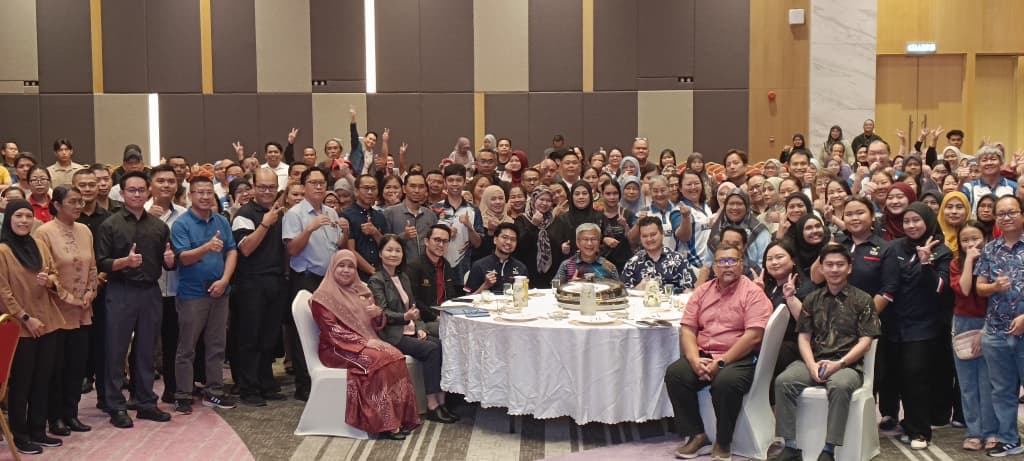
“Parents must never leave the entire responsibility of educating their children to teachers. Teachers help impart knowledge, but parents must play their part in reinforcing that knowledge when their children are at home,” he said at the Nangka State Constituency (DUN) Education Townhall Programme held at the Tun Abdul Taib Mahmud Chancellor Hall, University of Technology Sarawak (UTS), here on Saturday.
The programme was organised by the Nangka DUN STEM and Professional Skills Education Secretariat (STEMPRO), chaired by Abg Fairul Syamil Abg Mohd, who was also present.
Elaborating further, Dr Annuar who is Nangka incumbent, said there remained considerable room to improve the academic performance and overall quality of students in the Nangka constituency, despite various educational initiatives and programmes already being implemented.
He said the provision of facilities and learning opportunities must go hand in hand with greater public awareness of the value of education, as knowledge remained a fundamental foundation for children’s future success.
Sharing his personal experience, Dr Annuar recalled how his father had established a daily study routine for the family, requiring all the children to sit at their study tables at 6 pm.
“My father made sure that all of us were at the study table at 6 pm every day. It may seem like a simple practice, but it was important in instilling discipline and cultivating a culture of learning,” he said.
Dr Annuar acknowledged that changing public attitudes and mindsets remained among the biggest challenges in strengthening the education sector.
He said various initiatives, including the provision of schools and free tuition classes, could be introduced, but their effectiveness would ultimately depend on society’s willingness to embrace a more positive attitude towards education.
He, therefore, called on parents, teachers and the wider community to fulfil their respective responsibilities and work together to ensure that efforts to improve educational standards translated into meaningful results.
He also underscored the importance of equipping younger generations with strong knowledge and skills to enable them to remain competitive and adapt to the increasingly challenging demands of a rapidly changing world.