INCREASING the Dewan Undangan Negeri seats from 82 to 99 is a necessary step for a growing Sarawak as it is constitutional compliance and legislative authority.
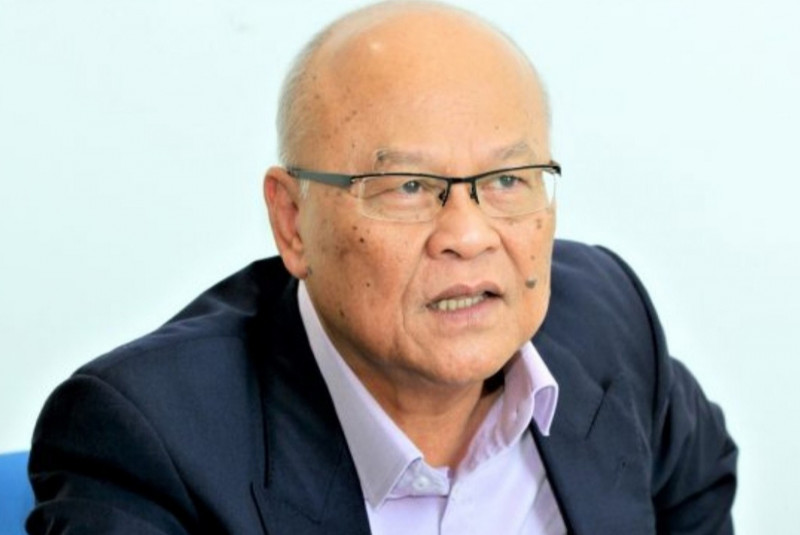
Bukit Semuja assembylman John Illus said the increase will also help to safegurard Sarawak’s long-term autonomy from being undermined politically, and socio-economically and to face the changing political landscape in the country.
“We have a vast land area and sparse population distribution whereby Sarawak is the largest state in Malaysia, covering 124,450 square kilometres — comparable in size to Peninsular Malaysia.
“Yet, our representation is grossly disproportionate, 445 assemblymen serve Peninsular Malaysia, while Sarawak has only 82. Constituencies in Sarawak often span remote interior zones, dense forests, rivers, mountains, and border regions. In some cases, a single elected representatives may be responsible for dozens of longhouses scattered across hundreds of kilometres, accessible only by timber roads or boats.
“Also many of the current constituencies blend urban as growth centres with rural hinterlands, resulting in Rural voices being drowned out by urban voting patterns and policy priorities skewed toward urban issues such as infrastructure upgrades, while basic rural needs like clean water, road access, and electricity remain underserved,” he said.
He said this in his debate speech in support of Dewan Undangan Negeri (Composition of Membership) Bill 2025,during the special DUN sitting.
He also wants the governance and resource allocation to be improved as the more are being elected to be representatives, the closer and more accessible to the constituents.
“This will be more focused and to avoid the oversight and ensure State funds like MRP (Minor Rural Project) and RTP (Rural Transformation Programme) are used more effectively.
“This will lead to improved transparency, delivery and trust in public institutions,” he added.
John said by increasing to 99 seats, minority ethnic groups, such as Bi Bukar, Bi Remun, Lun Bawang, Kenyah, Kelabit, and Penan, can gain more focused representation.
“We avoid the risk of gerrymandering by ensuring every region — southern, central, northern, highland, and coastal — has proportionate voice.
“This will foster unity, reduce political marginalisation, and strengthen state-wide stability,” he added.