By Dezireen Galoh
EVERY scroll, click and share tells a story. For businesses today, those stories can make or break a brand.
With social media, e-commerce and digital marketing tools more accessible, even small businesses in Sarawak are finding new ways to reach customers and clients.
At the centre of this shift is Lunnie Gan, founder of SOL Digital which has helped local businesses better understand the digital space, from managing social media platforms to running targeted online campaigns.
For many businesses, going digital can feel overwhelming. Platforms change quickly, trends come and go, and competition online is growing.
Through SOL Digital, Lunnie collaborates with clients to break these tools down into strategies that are practical and easier to manage.
Over the years, SOL Digital has seen how digital adoption is creating new opportunities for businesses that once struggled to reach a wider audience.
By helping companies understand the online landscape, the agency aims to ensure businesses are not just present online, but able to compete.
In this exclusive Q&A, Lunnie shares her perspective on Sarawak’s evolving digital landscape, the challenges faced when transitioning online, and how SOL Digital is helping companies adapt.
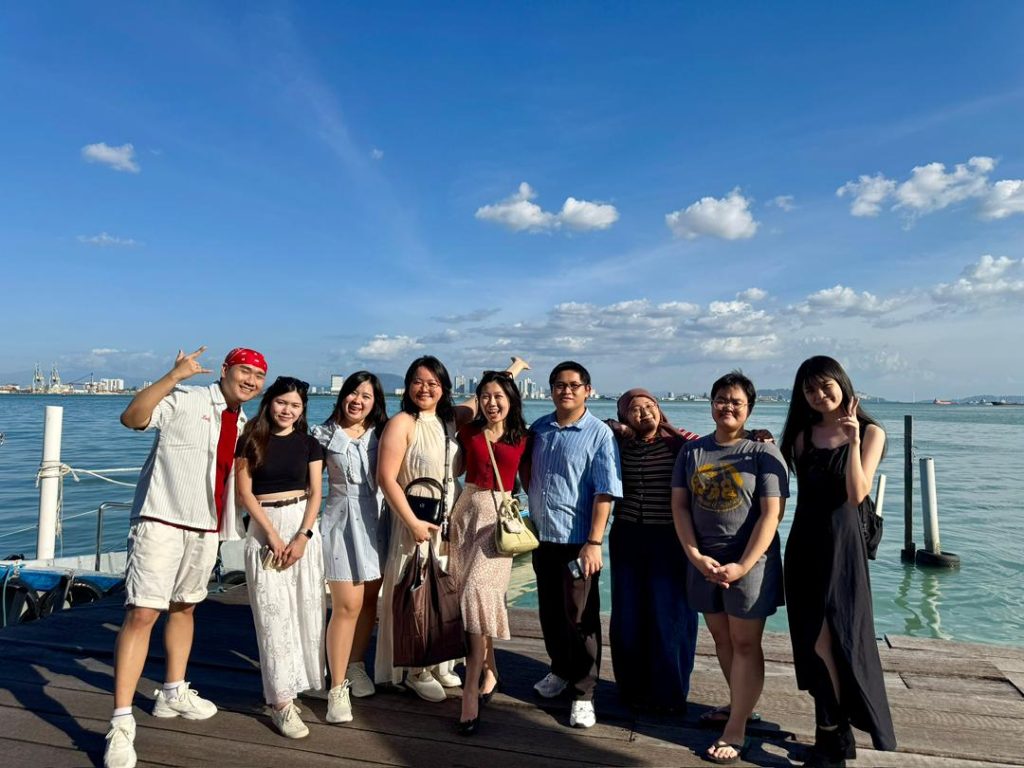
ST: Can you tell us about SOL Digital and how the company first began?
Lunnie: SOL Digital is a digital marketing agency that started during the COVID pandemic in 2020. I had just returned from Melbourne then, where I was working in marketing. My last role was with Crown Casino Melbourne as part of the marketing team.
I never actually thought I would start a company in Kuching, even though I’m Sarawakian myself. At the time, I didn’t think the market here had much demand for digital marketing. But COVID changed a lot of things.
Before the pandemic, many businesses relied on traditional marketing such as events and roadshows. When the pandemic happened, companies started thinking differently about how they could reach customers online. That shift created the right timing for us to start SOL Digital.
In those early days, part of our role was educational. Many business owners were unfamiliar with digital marketing, so we spent time explaining how the different platforms worked and how they could support business growth.
It wasn’t just about running campaigns; it was about showing why these tools mattered and how to use them effectively.
What are the main services that SOL Digital provides to businesses today?
We focus on several main areas. The first is digital strategy and paid advertising campaigns, which include the sponsored posts you see on platforms like Facebook, Instagram, TikTok and Google.
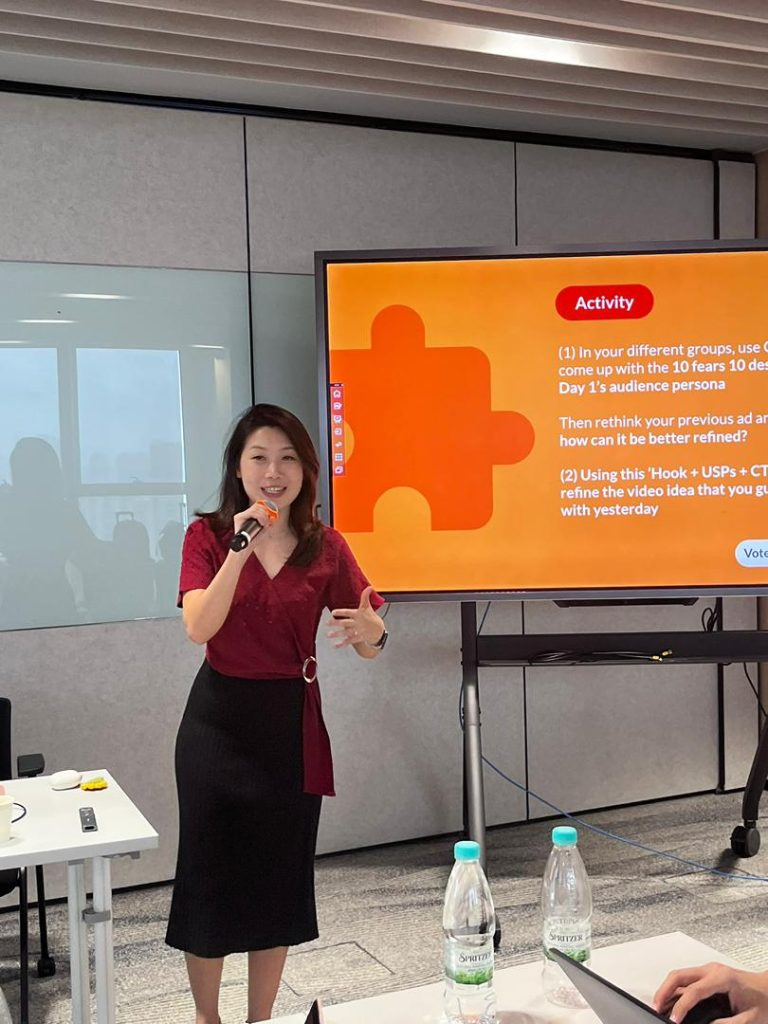
The second is content creation and social media management. However, something that makes us slightly different is that we also provide Human Resource Development (HRD) Corporation claimable digital marketing training. Besides helping clients generate leads or growth, we also want to empower their internal teams through workshops and training.
For us, digital marketing is not just about creating aesthetically pleasing content. It’s about making sure that the content aligns with the business goals, speaks to the right audience and reaches the right people at the right time through paid advertising.
From your perspective, how has the digital landscape in Sarawak changed in recent years?
Five years ago, many people would ask us what digital marketing actually was. Today, most businesses already know that digital is important. The question now is which platforms they should focus on and how they can generate more enquiries online.
Another big shift is the rise of paid advertising. In the past, we could run ads for property developers with a monthly budget of RM500 and still generate good leads. There was much less competition then, so smaller budgets were effective. Today, the space is much more competitive. Businesses need stronger strategies, clearer positioning, and a sharper understanding of their target audiences.
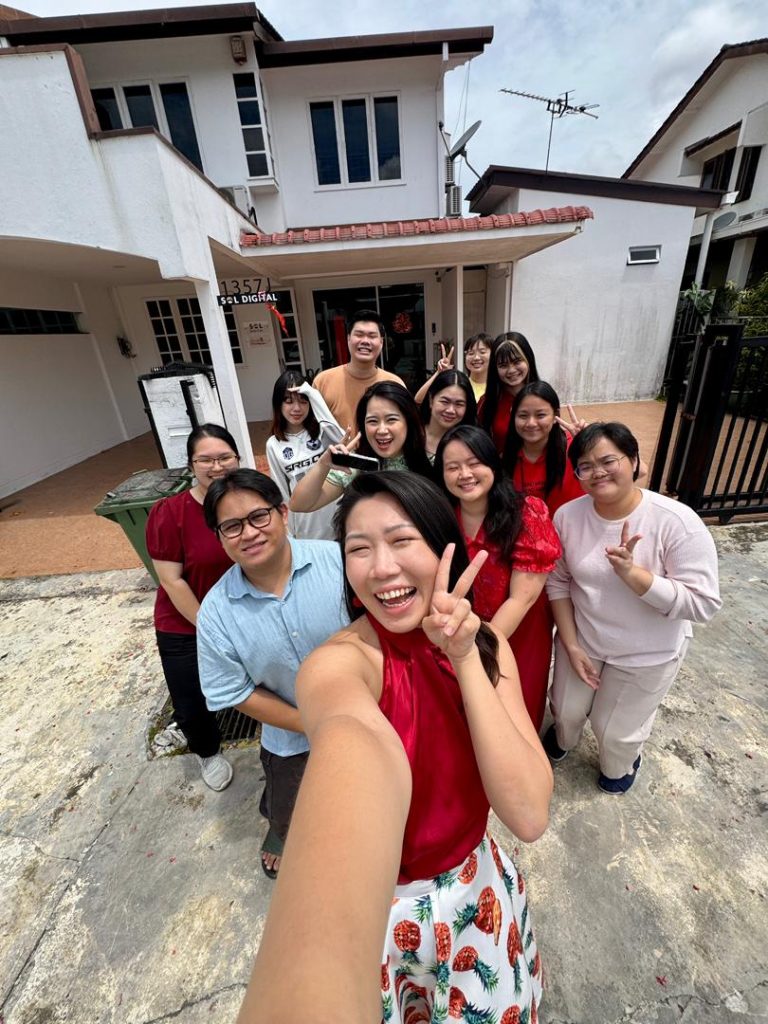
What do you think sets SOL Digital apart from other digital service providers in the region?
One thing we try to do differently is not treating digital marketing purely as content creation. Many agencies focus on producing visually appealing posts, but for us starting point is always strategy.
We ask questions such as who the target audience is, what action the business wants customers to take, and how the content will lead to enquiries or sales. So instead of just creating content, we combine strategy, content and paid advertising together.
Another key aspect is our HRD Corp claimable workshops and training in digital marketing and Artificial Intelligence (AI). For larger companies that already have in-house teams, we can help train and upskill their staff so they can build their own digital capabilities internally.
What are some common challenges businesses face when trying to transition into the digital space?
One challenge is that many businesses are not always clear about their own strategy. Before we start any project, we ask questions such as who their audience is, how their brand is different from competitors, and what success would look like after six months.
Sometimes these questions are difficult for them to answer at first, but they are important because without a clear direction, marketing efforts can become very general and less effective.
Another challenge is expectations. Some businesses expect immediate results, but digital marketing takes time and consistency. Campaigns need time to test different approaches, understand the audience and optimise the strategy.
Looking ahead, what are SOL Digital’s goals or plans for the future?
One major focus for us is expanding our training and workshops. Many companies are building their own in-house marketing teams, so we want to help empower those teams through digital marketing and Artificial Intelligence (AI) training.
We are also exploring AI. We are already using generative AI tools for research, content ideation and campaign planning. At the same time, we are exploring new technologies such as agentic AI systems that can help automate workflows and improve efficiency.
Beyond technology, we also hope to continue contributing to the growth of Sarawak’s digital ecosystem by supporting businesses, collaborating with partners and creating opportunities for the younger generation to grow in the industry.
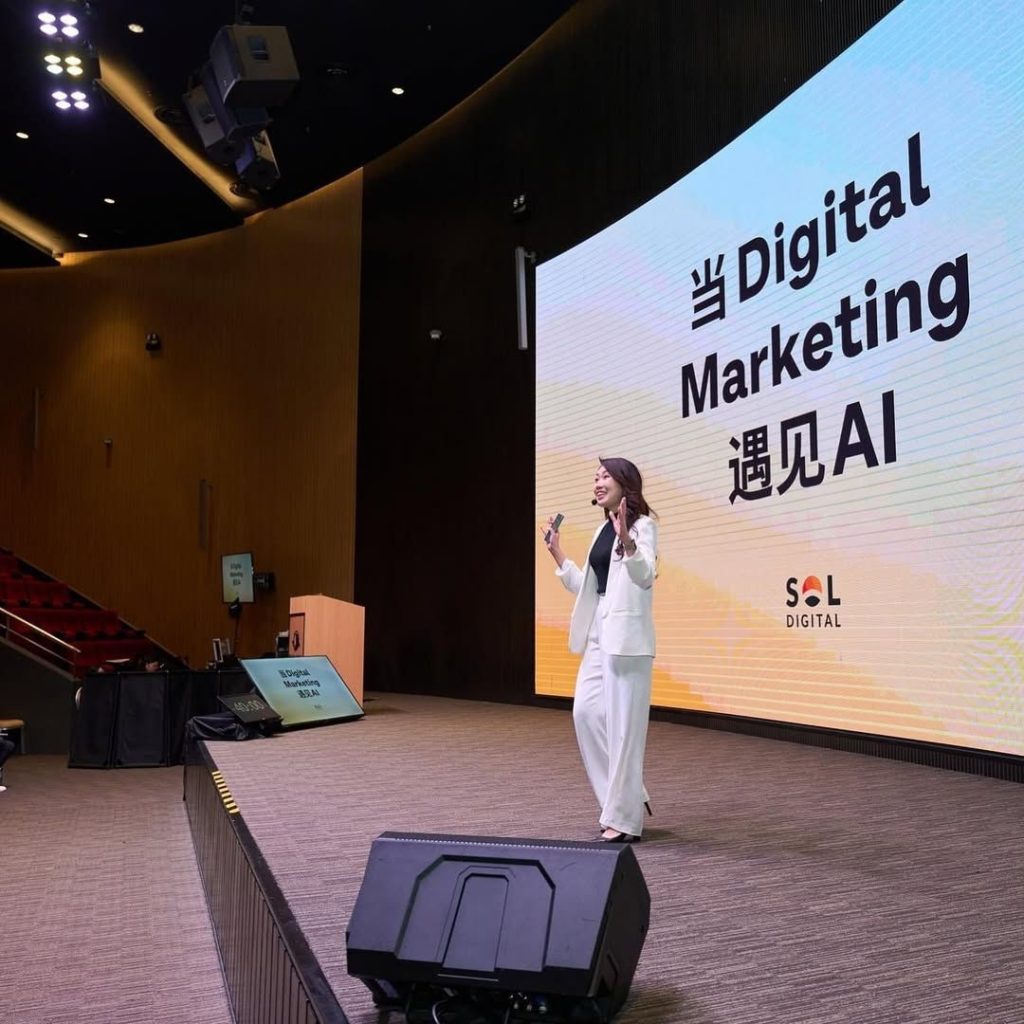
Any final thoughts on trends businesses should pay attention to?
Short videos, especially user-generated content, continue to dominate social media. Data-driven decision making is important. Look at what content works, and whatever is not working, reflect and think why is it not working.
AI isn’t just buzzwords; generative and agentic AI tools can help automate workflows and simplify tasks. There are risks, of course, but it’s better to experiment and adapt than fall behind.