IN today’s fast-paced world, many women shoulder multiple responsibilities simultaneously – balancing careers, family commitments and personal challenges.
But in the frantic rush of such demands, physical strain and emotional stress often go unnoticed.
The going can be tough but women can take heart that they can seek much needed restorative healing at the skilled hands of a massage therapist.
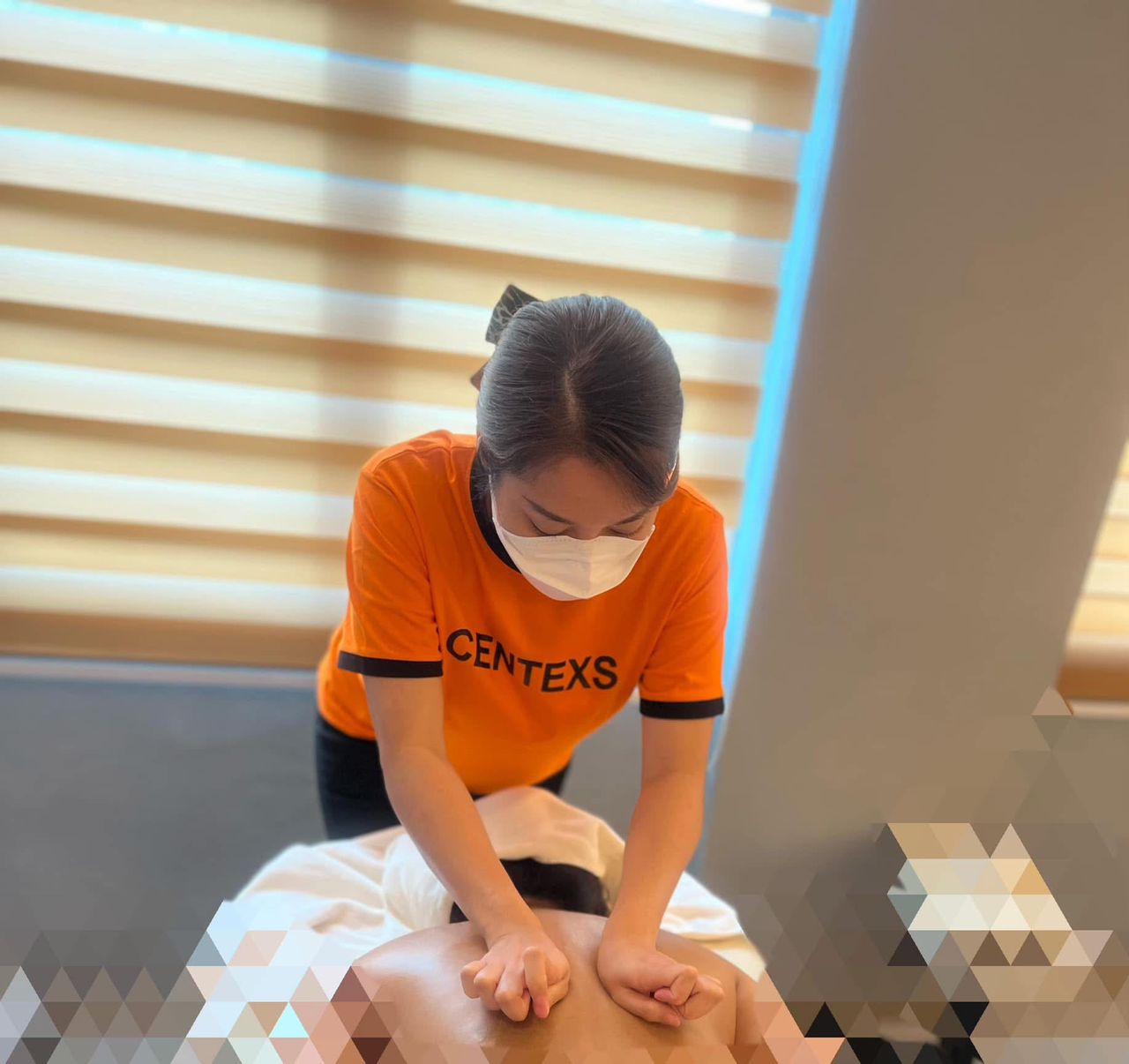
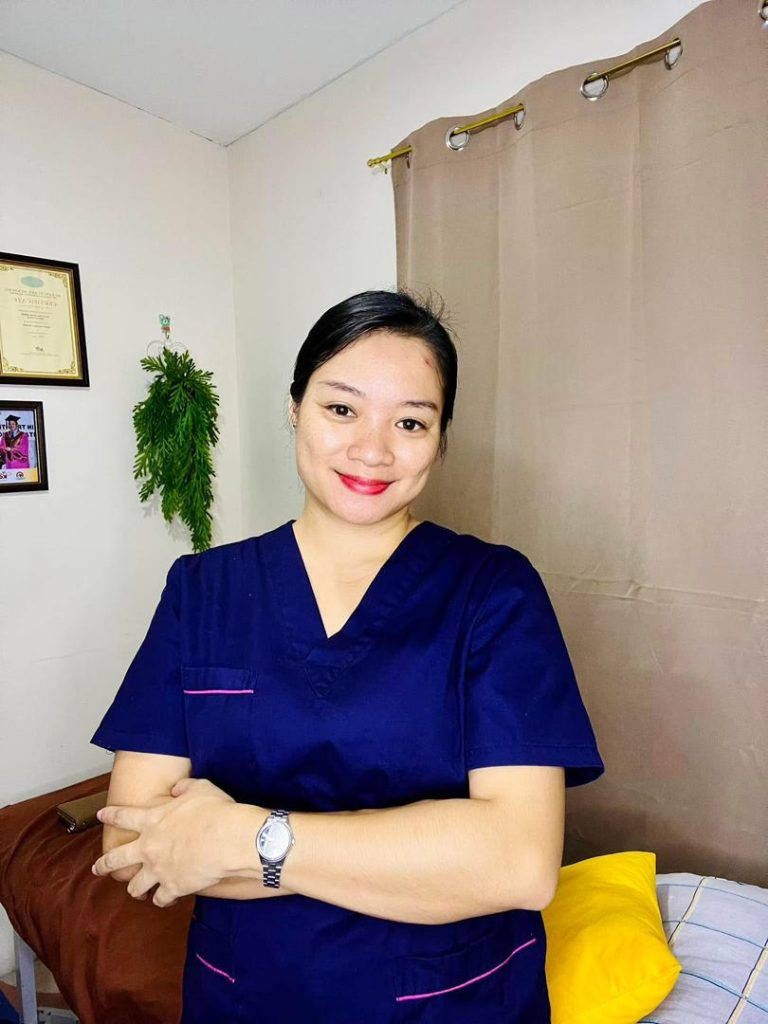
Massage therapy, according to Anatasia Geres, 33, from Kampung Sebemban in Lundu, is a meaningful form of care that supports women’s physical, hormonal and emotional well-being.
Proper massage technique, knowledge and sincere intention can help the body restore balance naturally, she contends.
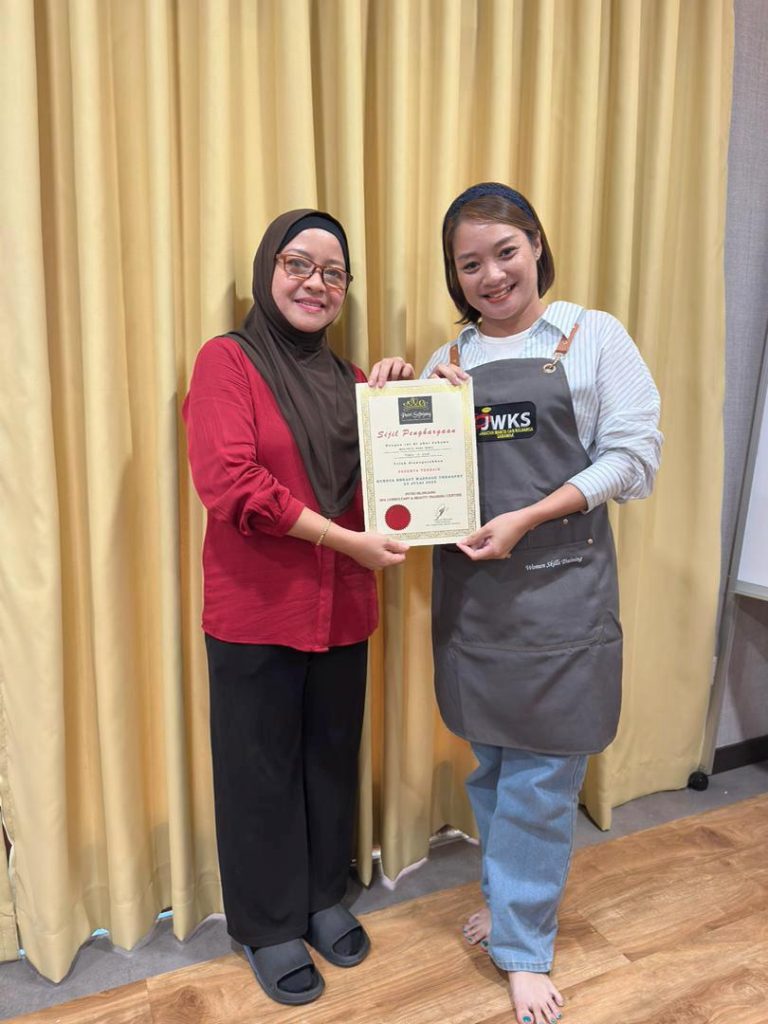
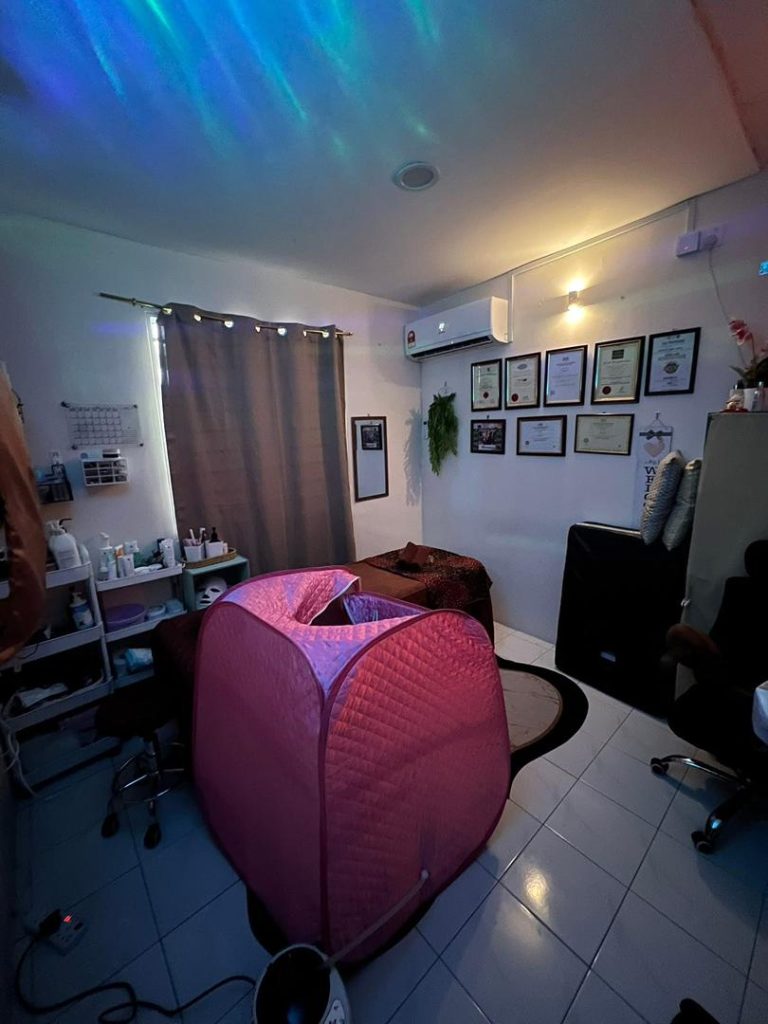
Anastasia has credentials to show for her therapeutic touch, having earned a Malaysian Skills Certificate (SKM) Level 3 in Aesthetics and additional certification in Postnatal Care from the Centre of Technology Excellence Sarawak (CENTEXS).
In an interview, she shared her journey into massage therapy, the importance of professional qualifications and how this field plays a significant role in supporting women at various stages of life.
Sarawak Tribune: Please introduce yourself and share how you began your journey as a massage therapist.
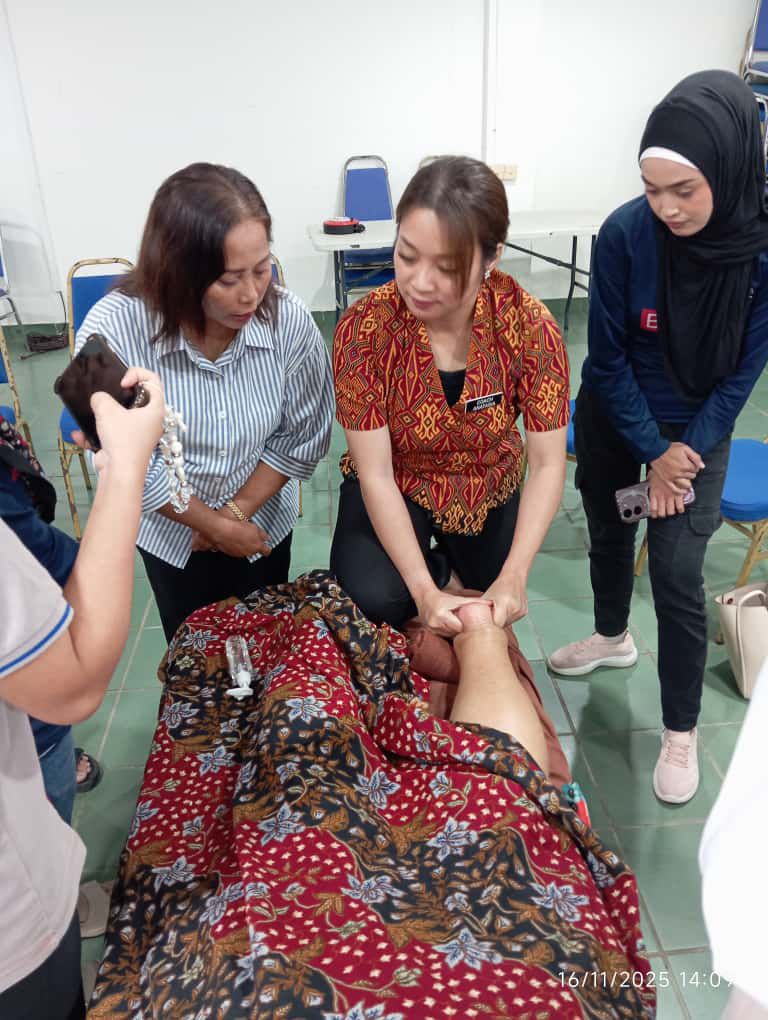
Anatasia: My interest in massage therapy began after I completed my SKM Level 3 in Aesthetics. At that time, I realised that I was deeply drawn to the therapeutic aspect of touch. I decided to further my studies at CENTEXS where I pursued postnatal care and obtained certification in that field.
Initially, I practised massage only among family members and close friends who were experiencing body aches, fatigue and stress. I noticed that with proper techniques, they felt genuine relief and improvement.
Seeing these positive outcomes gave me the confidence to take up formal training and pursue massage therapy as a career. For me, this profession is more than earning an income — it is about serving others and helping them regain comfort and emotional balance.
Tribune: What are the required qualifications or certifications to become a professional massage therapist in Malaysia?
Anatasia: In Malaysia, having proper certification is essential to be recognised as a professional massage therapist. Qualifications such as the SKM or training from accredited institutions are important foundations.
These programmes provide structured learning on anatomy, physiology, massage techniques and safety practices.
Beyond certification, a therapist must understand body structure, pressure control and contraindications.
Professional ethics are equally important — respecting boundaries, ensuring client safety and maintaining confidentiality.
Continuous learning is also encouraged because the body is complex, and techniques can always be improved.
Tribune: In general, how does massage therapy support women’s overall health and well-being?
Anatasia: Massage therapy contributes to health in several ways. It improves blood circulation, which allows oxygen and nutrients to flow more efficiently throughout the body. It also reduces muscle tension and calms the nervous system, helping the body shift from a stressed state into a relaxed one.
For women specifically, relaxation plays a big role in hormonal balance. When stress levels decrease, hormones such as cortisol are lowered. This supports better emotional stability, improved sleep and overall internal balance.
Many women do not realise how much stress impacts their bodies until they begin regular therapy and notice the difference.
Tribune: Can massage help women who experience menstrual cramps or irregular cycles?
Anatasia: Women who suffer from menstrual discomfort often experience tightness and restricted blood flow around the pelvic region. Gentle massage on the abdomen and lower back can help stimulate circulation in that area. Improved circulation may ease muscle tension and reduce cramping.
With consistent sessions, some clients have shared that their menstrual pain became less intense and their cycles felt more regular.
While massage is not a replacement for medical treatment, it can be a supportive complementary therapy that promotes comfort and balance.
Tribune: Hormonal imbalance is a common concern among women. Can massage therapy help manage symptoms such as mood swings, bloating or fatigue?
Anatasia: Yes, massage can play a supportive role. When a person experiences chronic stress, the body remains in a heightened state of tension. This affects hormonal regulation. Massage encourages deep relaxation, which allows the nervous system to stabilise.
When the body feels safe and calm, hormone production becomes more balanced. As a result, symptoms such as bloating, mood changes and constant tiredness may gradually reduce. Many clients report feeling lighter, both physically and emotionally, after consistent therapy.
Tribune: What type of massage is suitable for pregnant women, and when is it safe to start prenatal massage?
Anatasia: Prenatal massage must be performed carefully and by a therapist trained in this area. Generally, it is considered safe after the first trimester. The first three months are usually avoided as a precaution.
Techniques during pregnancy are gentler, and certain pressure points must be avoided. Positioning is also adjusted to ensure comfort and safety for both mother and baby. The purpose of prenatal massage is to relieve back pain, reduce swelling and support emotional relaxation during pregnancy.
Tribune: How does postnatal massage help mothers recover after childbirth?
Anatasia: After childbirth, a woman’s body undergoes significant changes. Postnatal massage aims to support recovery by encouraging uterine contraction, improving blood circulation and reducing discomfort caused by muscle strain. It can also help with issues such as bloating or the sensation of trapped wind.
Equally important is the emotional aspect. New mothers often feel physically exhausted and emotionally overwhelmed. Therapeutic touch can provide reassurance, relaxation and a sense of being cared for.
This emotional support is sometimes just as valuable as the physical benefits.
Tribune: Can massage therapy assist women who experience stress, anxiety or postpartum depression? How does it help?
Anatasia: Massage stimulates the release of hormones associated with well-being, such as serotonin and oxytocin. These hormones help create feelings of calmness and connection.
For mothers dealing with emotional stress after childbirth, safe and professional touch can provide comfort and reassurance.
While massage does not replace professional mental health care when needed, it can offer other forms of support. When a mother feels relaxed and supported, her overall outlook often improves. Consistent sessions may help reduce feelings of tension and emotional heaviness.
Tribune: What has been the biggest challenge you have faced in your career as a massage therapist?
Anatasia: One of the biggest challenges is helping clients understand that healing takes time. Some people expect immediate results after a single session. However, the body needs consistency, especially if tension or imbalance has developed over many years.
Education is important. I explain that therapy works best when done regularly and combined with healthy habits. When clients understand this, they become more patient and committed to the process.
Tribune: How do you manage clients who have unrealistic expectations of massage therapy?
Anatasia: Honest communication is the key. Before starting any treatment, I explain clearly what massage therapy can and cannot achieve. It is important that clients understand the scope of practice.
By setting realistic expectations from the beginning, misunderstandings can be avoided. I believe transparency builds trust. When clients know the purpose and limitations of therapy, they are more satisfied with the outcomes.
Tribune: What has been your most meaningful experience since becoming a massage therapist?
Anatasia: The most meaningful moments are when clients come to me feeling drained, stressed or uncomfortable, and after several sessions, they return looking brighter and more confident. Seeing that transformation brings great satisfaction.
There have also been clients who were trying to conceive and, after maintaining consistent sessions alongside other healthy practices, later shared good news about their pregnancies. Moments like these remind me why I chose this path.
Being part of someone’s healing journey is truly rewarding.
Looking to the future, Anatasia hopes more young people will consider massage therapy as a serious profession.
She holds out such hopes in light of her observations that many younger people these days are more attracted to the beauty industry, thus giving therapeutic massage scant attention.
However, she believes the massage field holds strong potential given that the demand for wellness services is continuing to grow, and opportunities for entrepreneurship are expanding.
She feels that with proper training, discipline and passion, a career in massage therapy can offer not only financial stability but also deep personal fulfillment.
On her part, Anatasia derives satisfaction in caring with sincerity, using her skilled hands to help women find balance — one session at a time.